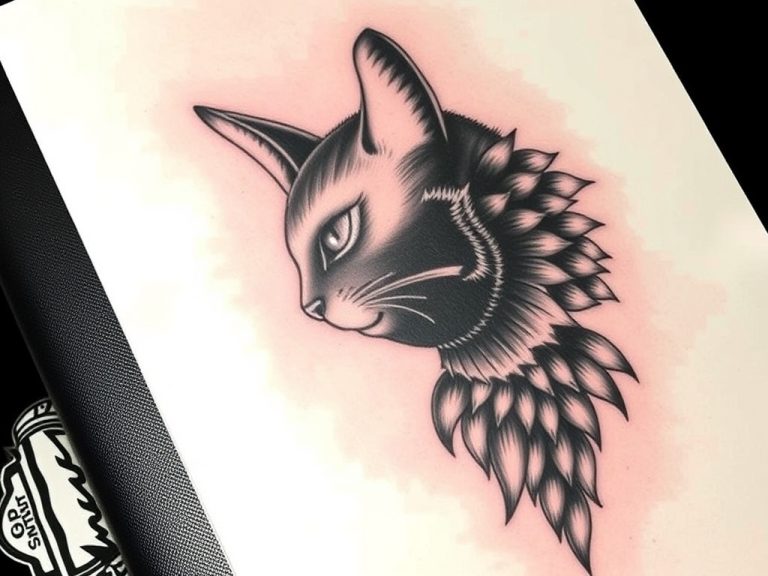
The tattoo industry is transforming at an unprecedented pace, with 2024 marking a pivotal year for both artistry and education. As tattooing evolves, so does the way artists learn, connect, and master their craft. In this expert analysis, we’ll dive deep into the tattoo trends 2024 is ushering in, focusing on the latest tattoo styles, technological innovations, and the rapidly growing landscape of online tattoo education trends.
1. The Rise of Hyper-Realism and Minimalism
Latest tattoo styles in 2024 are dominated by two seemingly opposite forces: hyper-realism and minimalism. Hyper-realistic tattoos, often enhanced by advanced digital design, are in high demand for clients seeking lifelike portraits and intricate details. Meanwhile, minimalist tattoos—characterized by fine lines, simple shapes, and negative space—continue to captivate those wanting understated elegance.
- Case Study: InkHouse Studio in Berlin saw a 40% increase in bookings for minimalist tattoos after launching an online masterclass featuring their signature style. Their students reported faster skill development and portfolio growth.
2. New School Meets Old School: Neo-Traditional Fusion
Neo-traditional tattoos, merging classic American styles with modern color palettes and themes, are surging in popularity. Online education platforms now offer specialized courses focusing on this fusion, helping artists blend tradition with contemporary artistry.
- Actionable Takeaway: Enroll in courses that emphasize both historical context and modern application, such as the Top Online Tattoo Education Platforms guide.
3. Technology’s Impact: Digital Tools and Virtual Learning
2024 is the year digital transformation truly takes hold in tattoo education. From augmented reality (AR) tattoo design apps to interactive 3D skin simulation software, artists can now practice, visualize, and perfect their work digitally before ever touching a needle to skin.
- Example: Platforms like ProTattoo Academy introduced VR-based workshops, allowing students to practice on virtual models. This technology reduces the learning curve and increases confidence for beginners.
4. Online Tattoo Education Trends: Microlearning and Community-Driven Growth
Microlearning—delivering content in short, focused segments—has become a staple in online tattoo courses. This method enables busy artists to learn new techniques efficiently, with community forums and live Q&A sessions fostering collaborative learning and peer feedback.
- Case Study: The Global Tattoo Collective saw a 60% course completion rate increase after incorporating microlearning modules and interactive peer reviews into their curriculum.
5. Inclusive and Culturally Diverse Curriculum
Tattoo education in 2024 emphasizes cultural sensitivity and inclusivity. Online programs are expanding to feature indigenous styles, skin tone variations, and global tattoo histories, equipping artists to serve a broader clientele with respect and creativity.
- Actionable Takeaway: Seek out courses that spotlight diversity and advocate for ethical tattooing practices.
6. Certification, Licensing, and Professional Development Online
With stricter regulations and client safety concerns, online certification programs are gaining legitimacy. Comprehensive online courses now include sanitation protocols, business management, and legal compliance modules—critical for aspiring professionals.
- Example: TattooPro Learn offers an accredited online certification that meets state licensing requirements, streamlining the path from student to professional artist.
7. Social Media Integration and Portfolio Building
Social media mastery is now a core component of tattoo education. Courses increasingly teach branding, content creation, and online client engagement, empowering artists to showcase their work and attract clients globally.
- Actionable Takeaway: Build your digital portfolio as you learn—many platforms now offer integrated portfolio tools and real-time client feedback features.
8. Sustainability and Eco-Conscious Tattooing
Eco-friendly practices are a growing focus in both tattooing and its education. Online courses now include modules on sustainable inks, biodegradable supplies, and waste reduction, helping artists minimize their environmental footprint.
- Example: The Green Ink Initiative reports that 75% of their graduates have adopted at least one eco-friendly practice in their studios after course completion.
Internal Linking Opportunities
- Learn more about tattoo artist career paths
- Explore our guide to sustainable tattooing
- Find out how to build a tattoo portfolio online
Actionable Takeaways
- Stay current with emerging tattoo styles by subscribing to reputable online tattoo education platforms.
- Leverage microlearning and community forums for ongoing skill development.
- Prioritize courses that offer certification, business skills, and cultural competency training.
- Integrate sustainability into your tattoo practice and education journey.
- Promote your work through digital portfolios and social media integration.
Conclusion
The tattoo industry’s evolution in 2024 is shaped by innovative styles, digital tools, and dynamic online learning environments. By embracing these trends, both new and experienced artists can thrive in a rapidly changing landscape. For more insights, check out our main guide on Tattoo Education Trends.