Are you an aspiring tattoo artist, or a tattoo enthusiast curious about the world’s most popular tattoo styles? The tattoo industry is brimming with diverse types of tattoo art, each with its unique history, techniques, and appeal. Whether you’re seeking your signature style or want to appreciate the nuances of each form, this in-depth guide will help you navigate the spectrum of tattoo art and carve out your own niche.
Table of Contents
- Why Choose a Tattoo Specialty?
- Traditional (American Traditional)
- Neo-Traditional
- Japanese (Irezumi)
- Blackwork
- Realism
- Watercolor
- Minimalist
- Geometric
- Handpoke & Stick-and-Poke
- Finding Your Niche: Practical Steps & Case Studies
- Actionable Takeaways
- Further Reading
Why Choose a Tattoo Specialty?
The tattoo industry is more competitive than ever. Specializing in a particular tattoo style not only helps you hone your skills but also makes your portfolio stand out. By mastering a specific type of tattoo art, you can:
- Attract clients who appreciate your expertise
- Develop a recognizable personal brand
- Enjoy greater creative satisfaction
- Stay current with evolving techniques and trends
Many successful artists started with a broad interest but eventually found their calling by exploring and practicing different styles.
Traditional (American Traditional)
Overview
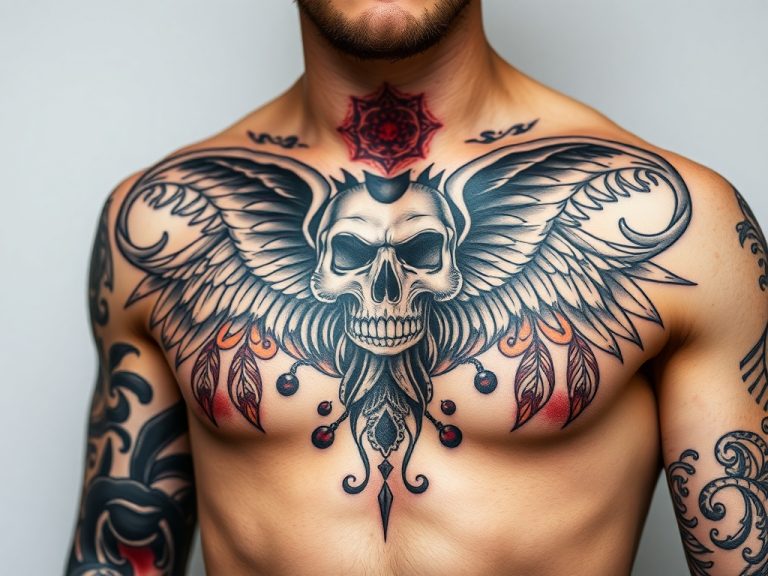
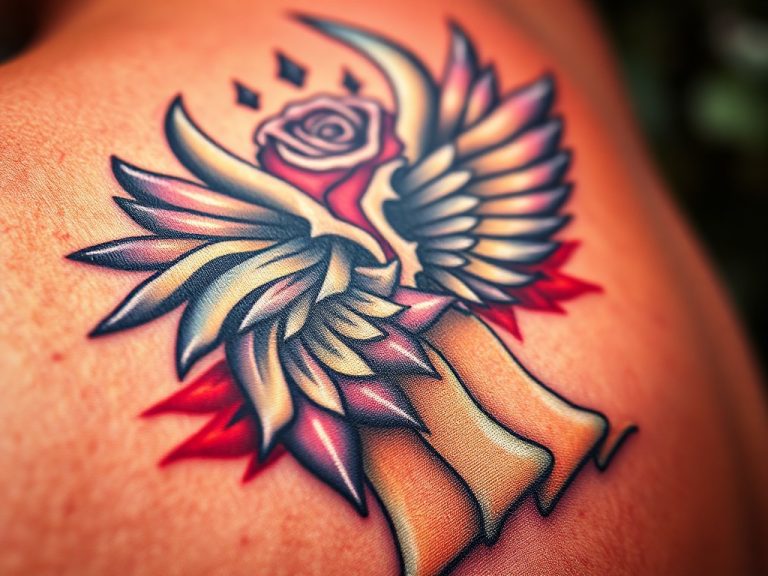
American Traditional, or „old school,“ tattoos are iconic for their bold black outlines, vivid primary colors, and classic imagery—think anchors, roses, hearts, and eagles. This style dates back to the early 20th century and remains a staple in Western tattooing.
Key Features
- Bold, clean black outlines
- Limited, saturated color palette (usually red, yellow, green, blue, black)
- Simple shading and minimal detail
- Iconic motifs: swallows, pin-up girls, daggers, nautical themes
Case Study: Sailor Jerry
Sailor Jerry (Norman Collins) is credited with popularizing American Traditional tattoos. His flash sheets are still widely referenced, and his approach to clean lines and vibrant color remains a gold standard.
Is this your fit? If you love vintage imagery and bold, timeless design, American Traditional could be your calling.
Neo-Traditional
Overview
Neo-Traditional tattoos build on the foundation of American Traditional, but add depth, detail, and a broader color palette. Artists blend old-school motifs with new-school techniques, resulting in more dimensional, illustrative designs.
Key Features
- Strong outlines, but more nuanced than Traditional
- Expanded color palette and richer shading
- Intricate composition and detail
- Modern subject matter: animals, portraits, fantasy themes
Example
A Neo-Traditional fox tattoo might feature stylized fur, dramatic color gradients, and ornate floral elements.
Is this your fit? If you’re drawn to both tradition and innovation, and enjoy adding modern flair to classic designs, Neo-Traditional offers creative freedom.
Japanese (Irezumi)
Overview
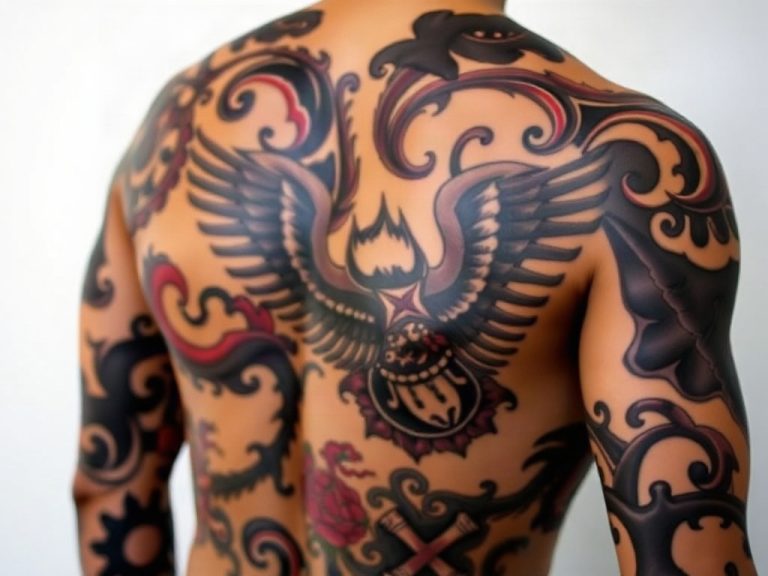
Japanese tattooing, or Irezumi, is revered for its rich symbolism, flowing compositions, and storytelling. Designs often cover large areas, and motifs like koi fish, dragons, tigers, and cherry blossoms are deeply rooted in Japanese culture.
Key Features
- Full-body or sleeve designs
- Use of negative space and flowing backgrounds (wind bars, waves, clouds)
- Symbolic imagery and mythological themes
- Bold outlines with intricate internal detail
Case Study: Horiyoshi III
Master tattooist Horiyoshi III is world-renowned for his traditional Irezumi work, blending historical technique with contemporary artistry.
Is this your fit? If storytelling and cultural symbolism inspire you, Japanese style offers a vast, meaningful canvas.
Blackwork
Overview
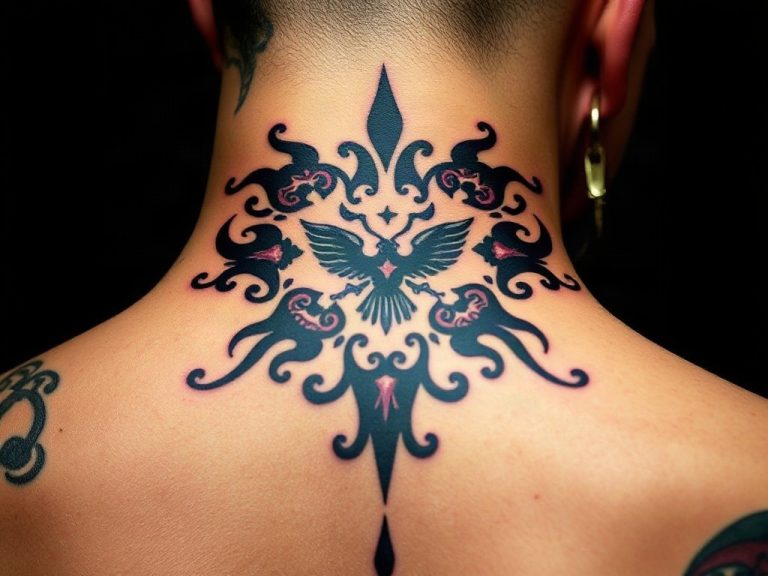
Blackwork tattoos use solid black ink, negative space, and bold contrast to create striking designs. The style ranges from abstract geometric patterns to illustrative motifs and tribal art.
Key Features
- Only black ink—no color
- High contrast, bold shapes
- Dotwork, linework, or large solid fills
- Often influenced by Polynesian, tribal, or graphic art
Example
Geometric sleeve tattoos with mandala elements or Polynesian tribal patterns are popular Blackwork examples.
Is this your fit? If you enjoy working with contrast and bold visual statements, Blackwork is a style with endless creative potential.
Realism
Overview
Realism tattoos aim to replicate photographs or real-life images on the skin, capturing intricate details, textures, and lifelike shading. Both black & grey and color realism are highly sought after for portraits and nature scenes.
Key Features
- Photorealistic depiction
- Complex shading, highlights, and gradients
- Attention to minute detail
- Popular subjects: faces, animals, flowers, landscapes
Case Study: Nikko Hurtado
Nikko Hurtado is a leading expert in color realism, renowned for stunningly lifelike portraits and pop culture tattoos.
Is this your fit? If you have a keen eye for detail and love replicating reality, Realism is a challenging but rewarding path.
Watercolor
Overview
Inspired by watercolor painting, these tattoos feature vibrant splashes, gradients, and brushstroke effects. The style often lacks black outlines, creating a soft, painterly look.
Key Features
- Bright, blended colors
- Loose, organic shapes
- Minimal or no outlines
- Often combined with abstract or minimal motifs
Example
A watercolor feather tattoo might use blue, purple, and pink washes for a dreamy effect.
Is this your fit? If you love artistic freedom and bold color play, watercolor tattoos offer a striking, modern aesthetic.
Minimalist
Overview
Minimalist tattoos distill designs to their essentials—clean lines, basic shapes, and subtle symbolism. Popular for first-timers and those who prefer understated art.
Key Features
- Sparse use of lines and shading
- Small-scale designs
- Simple, yet meaningful imagery
- Often single-needle or fine line technique
Example
A single continuous line forming a face or a tiny, simple heart outline on the wrist.
Is this your fit? If you’re drawn to subtlety and elegance, Minimalist tattoos are a versatile and trendy choice.
Geometric
Overview
Geometric tattoos revolve around symmetry, patterns, and mathematical shapes. The style can stand alone or blend with other forms (e.g., animal heads, mandalas).
Key Features
- Precision lines and repeated shapes
- Symmetry and balance
- Dotwork and linework shading
- Abstract or representational designs
Example
A wolf’s head constructed from intersecting triangles and polygons, or a mandala sleeve with intricate radial patterns.
Is this your fit? If you enjoy precision, math, and structured patterns, geometric tattoos offer endless creative avenues.
Handpoke & Stick-and-Poke
Overview
Handpoke tattoos are created manually, without a machine, using a needle to insert ink dot by dot. The style ranges from simple DIY motifs to intricate, professional works.
Key Features
- Distinct, handmade look
- Often minimal or folk-inspired designs
- Can be highly detailed with patience and skill
- Popular for personal symbolism and ritual
Case Study: Grace Neutral
Grace Neutral is known for delicate, spiritual handpoke tattoos that blend fine linework with unique personal symbolism.
Is this your fit? If you cherish the ritual and intimacy of tattooing, handpoke offers a meaningful, tactile approach.
Finding Your Niche: Practical Steps & Case Studies
Choosing your specialty is a journey—here’s how to find your place in the vast world of tattoo styles:
- Experiment broadly: Try different styles on practice skins or willing friends. Document your process.
- Study masters: Follow top artists in each style, analyze their portfolios, and attend conventions.
- Assess your strengths: Are you detail-oriented (Realism), bold (Traditional), or precise (Geometric)?
- Gather feedback: Ask mentors and clients which types of tattoo art suit your technique.
- Build your portfolio: Showcase your best work in your chosen style to attract like-minded clients.
Case Study: From Apprentice to Specialist
Maria, a London-based artist, started with general linework but found a passion for Neo-Traditional animal portraits. By curating her Instagram around this niche, she attracted commissions from clients across Europe.
Case Study: Combining Styles
James, based in Toronto, blends Blackwork and Geometric, creating abstract animal tattoos. His signature approach stands out in a saturated market.
Actionable Takeaways
- Experiment with multiple tattoo styles before committing to a specialty.
- Document your progress and gather feedback from trusted mentors.
- Curate your portfolio to highlight your strengths and preferred style.
- Network within your chosen tattoo community for inspiration and support.
- Stay updated on new trends—styles like fine line tattoos and abstract work are growing fast.
Further Reading
- Ultimate Guide to Tattoo Artist Careers
- Fine Line Tattoo Trends: What You Need to Know
- How to Build a Tattoo Portfolio That Stands Out
Mastering your art takes time and exploration. By immersing yourself in the world of tattoo styles and types of tattoo art, you’ll find the specialty that excites you—and a loyal audience waiting to appreciate your unique vision.