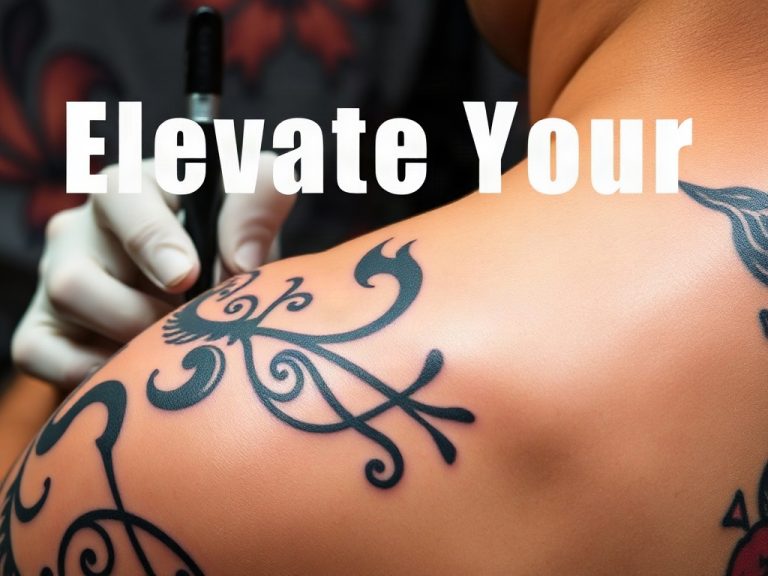
In the ever-evolving world of tattoo artistry, ongoing learning is essential. Whether you’re a seasoned professional or just starting your career, embracing continuing education helps you stay competitive, inspired, and connected. This guide explores the best opportunities for tattoo artist workshops, seminars, and conventions—and how they can transform your craft and business.
The Importance of Continuing Education for Tattoo Artists
Tattooing is more than just an art form; it’s a discipline that demands technical skill, hygiene mastery, and creative evolution. Industry standards, equipment, and styles are always advancing. Here’s why ongoing professional development matters:
- Stay Up-to-Date: New machines, inks, and safety protocols are developed regularly.
- Expand Your Skill Set: Learn new styles, techniques, and trends.
- Enhance Client Safety: Stay informed on the latest health and hygiene standards.
- Grow Your Network: Meet other artists, suppliers, and influencers in the field.
- Boost Your Reputation: Clients seek artists who demonstrate commitment to excellence and learning.
Types of Continuing Education Opportunities
There are three main avenues for ongoing education in the tattoo industry:
- Workshops: Hands-on, skill-building sessions led by experienced artists.
- Seminars: Educational presentations or lectures on specific topics or innovations.
- Conventions: Large gatherings featuring live demos, competitions, networking, and vendor showcases.
Workshops for Tattoo Artists: Deepening Practical Skills
Tattoo artist workshops are immersive, interactive sessions designed to refine specific techniques or introduce new ones. They are ideal for both beginners and advanced professionals eager to expand their repertoire.
What to Expect from a Tattoo Artist Workshop
- Small, focused groups for personalized feedback
- Live demonstrations and hands-on practice
- Safety, sanitation, and machine maintenance tutorials
- Portfolio reviews and constructive critiques
Popular Workshop Topics
- Realism and portrait techniques
- Blackwork, dotwork, and geometric styles
- Watercolor and color blending methods
- Cover-up and scar camouflage
- Machine tuning and needle selection
- Business fundamentals: branding, marketing, and client relations
Case Study: Hyper-Realism Tattoo Workshop
Andrea, a five-year tattoo artist, attended a weekend hyper-realism workshop led by a renowned artist. Through hands-on instruction and live critique, Andrea learned advanced shading techniques and color layering. She immediately applied these skills in her studio, resulting in more satisfied clients and increased social media engagement.
Seminars: Staying Informed on Industry Trends and Innovation
Seminars offer targeted, in-depth learning on emerging topics. They often feature leading artists, manufacturers, and health experts. Unlike workshops, seminars are usually lecture-based, with Q&A sessions and panel discussions.
Key Seminar Subjects
- Latest pigment technology and ink safety
- Legal and ethical considerations for tattoo artists
- Cross-disciplinary inspiration: art, design, and anatomy
- Digital tools, design software, and tattoo stencils
- Aftercare protocols and client education
Case Study: Health & Hygiene Seminar
During the pandemic, Sam attended a virtual seminar focused on updated health regulations for tattoo studios. The seminar covered new cleaning technologies and documentation requirements. Implementing these changes, Sam’s studio passed inspections with flying colors and reassured clients of their commitment to safety.
Tattoo Conventions: Networking, Inspiration, and Exposure
Tattoo conventions are the highlight of the industry calendar, bringing together artists, suppliers, and enthusiasts from around the world. For tattoo artists, conventions offer a unique blend of education, exposure, and community building.
What Happens at a Tattoo Convention?
- Live tattooing sessions and competitions
- Workshops and seminars (often included in admission)
- Vendor booths with the latest equipment and supplies
- Networking events and portfolio reviews
- Art shows and guest lectures
Major Tattoo Conventions Worldwide
- London Tattoo Convention (UK)
- New York Empire State Tattoo Expo (USA)
- Milan Tattoo Convention (Italy)
- Sydney Tattoo Expo (Australia)
- Singapore Ink Show (Asia)
Case Study: A Breakthrough at the London Tattoo Convention
Maria, a mid-career artist, attended the London Tattoo Convention, where she participated in a black-and-grey competition. Not only did she win second place, but she also secured a collaboration with an international studio and gained hundreds of new followers on social media.
Online vs. In-Person Learning: Choosing the Right Format
With digital platforms booming, tattoo artists now have access to a wealth of online workshops and seminars. Here’s how to choose:
| Online | In-Person |
|---|---|
| Flexible scheduling | Hands-on practice |
| Access to global experts | Immediate feedback |
| Lower cost, no travel | Networking opportunities |
| Recorded sessions for review | Immersive environment |
Many artists find a blend of both formats offers the most comprehensive learning experience.
How to Choose the Best Continuing Education Opportunity
- Identify Your Goals: Want to learn a new style, improve safety, or grow your business?
- Research the Instructor: Look for experienced, reputable artists or certified educators.
- Check Reviews and Testimonials: Prior attendee feedback is invaluable.
- Consider Cost and Location: Factor in travel, time away from the studio, and tuition.
- Look for Certification: Some workshops and seminars offer certificates that boost your professional profile.
Maximizing the Value of Workshops, Seminars, and Conventions
- Prepare Questions: Come ready to ask about challenges or techniques you want to master.
- Network Proactively: Bring business cards, portfolios, and connect on social media.
- Document Your Learning: Take notes, photos (where permitted), and record key takeaways.
- Apply New Skills Quickly: Integrate what you’ve learned into your daily work for best retention.
- Share Insights: Consider writing a blog post or sharing your experience with the tattoo community.
Internal Resources for Further Learning
- Read our guide to Tattoo Artist Training and Certification
- Discover Tattoo Business Marketing Strategies
- Explore our Tattoo Health and Safety Standards
Actionable Takeaways
- Make continuing education a regular part of your professional routine.
- Attend at least one workshop or seminar each year to stay current.
- Participate in a major tattoo convention to build your network and visibility.
- Share your learning journey with your clients to build trust and authority.
- Invest in both online and in-person opportunities for a well-rounded skill set.
Conclusion
Continuing education is the key to growth, safety, and creativity in the tattoo industry. Whether through hands-on workshops, insightful seminars, or vibrant conventions, every learning experience enhances your artistry and professional reputation. Embrace these opportunities and watch your career flourish.