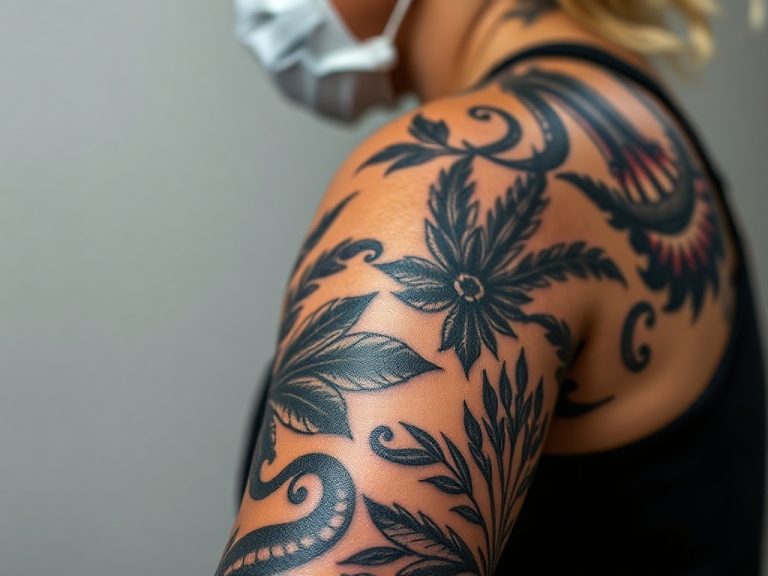
Tattooing is a rich art form with a history spanning centuries and cultures. Today, aspiring artists can access world-class training online, learning tattoo styles from classic designs to innovative modern techniques. This guide explores the main tattoo styles taught online, practical examples, and proven strategies for mastering each approach.
Why Learn Tattoo Styles Online?
The digital age has unlocked unprecedented opportunities for budding and experienced tattoo artists alike. Learning tattoo styles online offers:
- Global Access: Study with renowned artists and schools from anywhere.
- Flexible Learning: Progress at your own pace, fitting education around your schedule.
- Resource Variety: Access videos, forums, critiques, and case studies for comprehensive growth.
Choosing the right tattoo styles to learn online can shape your artistic identity and career trajectory.
Core Tattoo Styles You Can Learn Online
Let’s dive into the most popular tattoo styles, their characteristics, and how they’re taught in online courses.
1. Traditional (American Traditional/Old School)
- Defining Features: Bold lines, limited color palettes (typically red, green, yellow, blue, black), and iconic imagery such as roses, skulls, and anchors.
- Why Learn: Mastering clean lines and solid fills builds a strong technical foundation.
- Online Example: Courses often break down classic motifs and demonstrate step-by-step linework and color packing techniques.
- Case Study: Sarah, an online student, improved her precision by tracing flash sheets digitally and applying these skills to real skin under remote mentorship.
2. Japanese (Irezumi)
- Defining Features: Flowing compositions, mythological creatures, and symbolic motifs (koi, dragons, peonies) with heavy black backgrounds.
- Why Learn: This style teaches storytelling, composition, and the importance of negative space.
- Online Example: Leading artists offer video breakdowns of sleeve design, motif placement, and color layering.
- Case Study: Tom, learning remotely, created a digital mockup of a half-sleeve, which his online instructor reviewed, providing feedback on flow and symbolism.
3. Realism
- Defining Features: Detailed, lifelike depictions of people, animals, or objects. Can be black and grey or color.
- Why Learn: Realism requires a deep understanding of shading, light, and texture—skills transferable to all styles.
- Online Example: Courses focus on value studies, reference photo analysis, and advanced shading techniques.
- Case Study: Maria, after practicing digital realism exercises, transitioned to skin with confidence, sharing her progress in online critique groups for actionable feedback.
4. New School
- Defining Features: Exaggerated, cartoon-like designs, vibrant colors, and dynamic compositions.
- Why Learn: Encourages creative expression and experimentation with color theory and stylization.
- Online Example: Interactive sessions guide students through character design and creative shading approaches.
5. Blackwork
- Defining Features: Bold black ink, geometric patterns, abstract forms, and ornamental designs.
- Why Learn: Teaches control over saturation, negative space, and impactful visual statements.
- Online Example: Tutorials often include stencil preparation, line weight exercises, and pattern repetition drills.
6. Other Popular Styles Taught Online
- Watercolor: Soft blends, splashes, and gradients mimicking paint on canvas.
- Minimalist: Simple, clean lines and reduced color palettes—perfect for beginners.
- Neo-Traditional: Combines traditional boldness with modern color and detail.
- Dotwork: Uses stippled dots to build up tone and imagery.
How to Choose the Right Tattoo Style to Learn Online
- Assess Your Interests: What imagery and techniques excite you most?
- Consider Your Skill Level: Beginners may start with minimalism or traditional styles before advancing.
- Survey the Market: Analyze current trends and client demand in your region or online community.
- Sample Online Courses: Many platforms offer free previews—use these to gauge teaching styles and course depth.
Case Studies: Successful Online Tattoo Style Learning
- Case 1 – From Hobbyist to Pro: Alex joined an online realism workshop after years of sketching. By following structured modules and participating in weekly critiques, Alex secured an apprenticeship at a local studio within a year.
- Case 2 – Niche Specialist: Priya specialized in Japanese tattoo styles online, building a unique portfolio that attracted international clients via social media.
Actionable Takeaways for Aspiring Tattoo Artists
- Set aside regular practice time—consistency is key in mastering any tattoo style.
- Leverage online communities for feedback and networking.
- Document your learning journey with photos and notes to track progress.
- Start with digital or synthetic skin before moving to real clients.
- Consider taking multiple courses to mix and match techniques for a unique personal style.
Internal Resources
- Best Online Tattoo Courses for Beginners
- How to Secure a Tattoo Apprenticeship
- Tattoo Equipment Basics: What You Need to Start
- Tattoo Safety and Hygiene: Essential Practices
Conclusion
Learning tattoo styles online offers a flexible, comprehensive path to developing your artistic voice and technical expertise. Whether you’re drawn to traditional motifs, intricate Japanese designs, or hyper-realistic portraits, there’s never been a better time to start your tattoo journey. Explore courses, practice relentlessly, and connect with the global tattoo community to continually evolve your skills.
Ready to learn tattoo styles online? Check out our in-depth reviews of the best online tattoo courses and take your first step today!