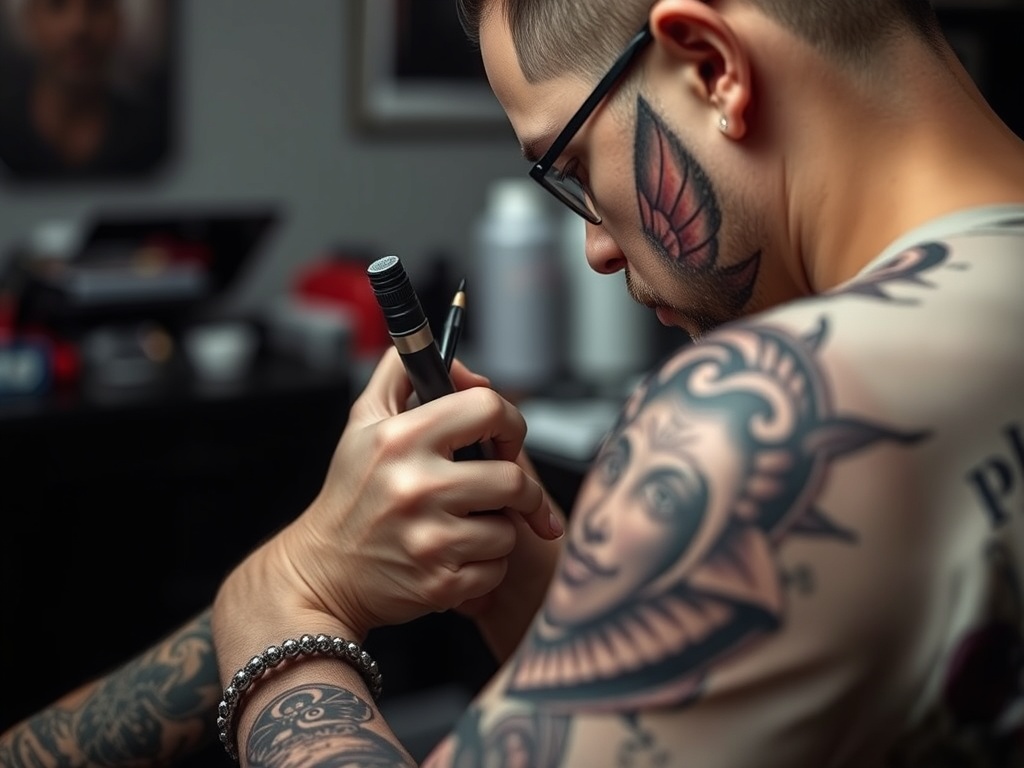
Choosing the right path to become a tattoo artist is a critical decision that shapes your skills, career opportunities, and personal growth. With the rise of digital learning, aspiring artists now face a choice: traditional tattoo apprenticeships or modern online tattoo courses. In this expert guide, we’ll break down both tattoo training options, share real-world examples, and help you make the best decision for your future.
Table of Contents
- Overview: Tattoo Apprenticeships vs. Online Courses
- Traditional Tattoo Apprenticeships: Pros, Cons, and Realities
- Online Tattoo Courses: Modern Training for Aspiring Artists
- Side-by-Side Comparison: Key Differences and Similarities
- Case Studies: Success Stories from Both Paths
- How to Choose the Right Tattoo Training Option for You
- Actionable Takeaways
- Frequently Asked Questions
Overview: Tattoo Apprenticeships vs. Online Courses
For decades, the classic route to becoming a tattoo artist has been the tattoo apprenticeship: a hands-on, mentor-guided journey inside a working studio. However, the last decade has seen an explosion in online tattoo courses—professional, structured programs that can be completed from anywhere. Both options have their unique strengths, but also present challenges you should consider before committing.
Traditional Tattoo Apprenticeships: Pros, Cons, and Realities
What Is a Tattoo Apprenticeship?
A tattoo apprenticeship is an in-person training agreement between you and an experienced tattoo artist (mentor). Over 1-3 years, you’ll learn every aspect of tattooing under their direct supervision, from setup and hygiene to design and technique.
Pros of Tattoo Apprenticeships
- Direct mentorship: Immediate feedback from a seasoned artist
- Studio experience: Real-world exposure to daily operations, clients, and shop culture
- Portfolio development: Build your tattoo portfolio with guidance
- Professional network: Connect with artists and potential employers
- Safety and compliance: Learn state and local health standards hands-on
Cons of Tattoo Apprenticeships
- Highly competitive: Limited openings, often requiring a strong art portfolio and persistence
- Long hours, low (or no) pay: Many apprenticeships are unpaid; some require cleaning and shop duties
- Variable quality: Not all mentors are effective teachers; some shops lack proper structure
- Geographic limitations: You may need to relocate or commute
Example: Traditional Apprenticeship Success Story
Maria, a recent art school graduate, landed an apprenticeship with a renowned tattooist in Chicago. Over two years, she learned not just technique but also how to communicate with clients, maintain a safe workspace, and market her work. Today, she’s a full-time artist at the same studio, with a loyal clientele and growing social media presence.
Online Tattoo Courses: Modern Training for Aspiring Artists
What Are Online Tattoo Courses?
Online tattoo courses offer structured, self-paced training. Programs range from video tutorials to interactive webinars and assignments, often taught by industry professionals. Subjects include drawing fundamentals, machine setup, hygiene, and even business skills.
Pros of Online Tattoo Courses
- Flexible scheduling: Learn at your own pace, from anywhere
- Immediate access: Start training as soon as you enroll
- Comprehensive curriculum: Covers a wide range of topics, including modern styles
- Affordability: Lower cost than most apprenticeships, no relocation needed
- Repeatable content: Revisit lessons as often as needed
Cons of Online Tattoo Courses
- Lack of hands-on guidance: No real-time feedback; some skills are tough to learn online
- Studio experience gap: Limited exposure to shop environment and customer interaction
- Certification limitations: Some states require in-person training for licensure
- Self-motivation required: Progress depends on your discipline and initiative
Example: Online Course Success Story
Jamal, a self-taught artist in a rural area, completed a comprehensive online tattoo course. Using feedback in student forums and practicing on synthetic skin, he built a strong online portfolio. With additional local health training, he opened his own studio and now specializes in custom designs for his community.
Side-by-Side Comparison: Key Differences and Similarities
| Aspect | Tattoo Apprenticeship | Online Tattoo Course |
|---|---|---|
| Format | In-person, mentor-guided | Online, self-paced |
| Duration | 1-3 years | Varies (weeks to months) |
| Cost | Usually free or low pay; some require payment | Course fees (often lower than relocation costs) |
| Feedback | Immediate, hands-on | Delayed/online only |
| Studio Experience | Yes | No (unless combined with local internship) |
| Networking | Strong | Limited (unless community-based) |
| Licensing Preparation | Comprehensive | Varies by course and state regulations |
Case Studies: Success Stories from Both Paths
Case Study 1: The Classic Apprentice
Background: Alex, a 22-year-old artist, spent six months searching for a reputable apprenticeship. After persistent networking, he was accepted at a busy urban studio. Alex learned through observation, practice on synthetic skin, and gradually tattooed clients under supervision. His apprenticeship lasted 18 months before he was offered a paid position.
Case Study 2: The Online Learner
Background: Priya, a working mother, couldn’t commit to a rigid schedule. She enrolled in a top-rated online tattoo course, practicing evenings at home. By sharing her progress on social media and connecting with other students, she attracted her first clients. Priya later completed a short in-person health and safety course to meet state requirements and now tattoos part-time from her home studio.
How to Choose the Right Tattoo Training Option for You
Consider these factors when choosing between a tattoo apprenticeship and an online course:
- Learning style: Do you thrive with mentorship and hands-on practice, or are you self-motivated and independent?
- Location: Are quality apprenticeships available nearby? Would you need to relocate?
- Schedule: Can you commit to set hours, or do you need flexibility?
- Budget: Factor in both course fees and potential lost income/travel costs
- Licensing needs: Research your local tattooing laws and requirements (see our guide)
Actionable Takeaways
- Research local tattoo laws before choosing your training path
- Visit studios, talk to artists, and ask about their apprenticeship experiences
- If choosing an online course, verify instructor credentials and student reviews
- Combine online courses with in-person workshops or internships if possible
- Start building your portfolio early, regardless of path
- Stay engaged with the tattoo community through events, forums, and social media
Frequently Asked Questions
Can you become a tattoo artist with only online training?
While online tattoo courses offer valuable foundations, most artists will eventually require hands-on experience in a studio—either through an apprenticeship or supervised practice—to meet licensing standards and gain practical skills.
Are tattoo apprenticeships paid?
Many apprenticeships are unpaid or offer minimal compensation, especially in the early stages. Some may require you to pay for training, while others compensate apprentices as they begin tattooing clients.
How long does it take to become a tattoo artist?
Traditional apprenticeships last 1-3 years. Online courses can be completed in months, but additional time is needed for hands-on practice and meeting local requirements.
Can I combine an online course with an apprenticeship?
Absolutely. Many successful artists use online courses to build foundational knowledge and portfolios, making them more competitive when applying for apprenticeships.
For more resources on tattoo training options, check out our complete guide to tattoo training and portfolio tips for aspiring tattoo artists.