Tattooing is an art, but it’s also a medical procedure that carries real health risks if not done safely. Whether you’re a tattoo artist, studio owner, or someone considering new ink, understanding and applying tattoo hygiene and safety guidelines is crucial. In this comprehensive guide, we’ll cover best practices for infection control, regulatory compliance, and actionable tips to protect both clients and artists.
Table of Contents
- Why Tattoo Hygiene Matters
- Tattoo Hygiene Regulations and Standards
- Studio Cleanliness: Best Practices
- Equipment Sterilization & Single-Use Items
- Tattoo Artist Hygiene Protocols
- Client Preparation & Aftercare
- Case Studies: Hygiene Successes and Failures
- Actionable Takeaways
- Frequently Asked Questions
Why Tattoo Hygiene Matters
Poor tattoo hygiene can lead to serious infections, bloodborne diseases (like hepatitis or HIV), allergic reactions, and scarring. According to the CDC, improper sterilization and cross-contamination are leading causes of tattoo-related health issues. Maintaining proper hygiene isn’t just a legal requirement—it’s essential for client safety and a studio’s reputation. Read more about the importance of tattoo safety here.
Tattoo Hygiene Regulations and Standards
Most countries and states regulate tattoo practices. Common requirements include:
- Licensing: Artists and studios must be licensed by local health authorities.
- Inspections: Regular health inspections are mandatory to ensure compliance.
- Bloodborne Pathogen Training: Artists must complete certified courses.
- Record-Keeping: Studios must document procedures, client consent, and sterilization logs.
Always check your local health department’s website for the most current rules. See our in-depth guide to tattoo laws and regulations.
Studio Cleanliness: Best Practices
The tattoo studio environment should be as clean as a medical facility. Here’s how to ensure that:
- Surface Disinfection: Clean and disinfect all surfaces before and after each client using EPA-registered hospital-grade disinfectants.
- Waste Disposal: Dispose of needles and contaminated materials in approved biohazard containers.
- Handwashing Stations: Provide sinks with antibacterial soap and paper towels in all work areas.
- Ventilation: Maintain proper airflow to reduce airborne contaminants.
Example: Ink Sanctuary Studio in Toronto posts their daily cleaning checklist publicly and requires all staff to sign off, ensuring accountability and transparency.
Equipment Sterilization & Single-Use Items
All tattoo equipment must be either single-use or thoroughly sterilized between clients:
- Autoclave Sterilization: Use an autoclave to sterilize reusable equipment. Monitor with spore tests regularly.
- Single-Use Needles: Always use pre-packed, single-use needles and dispose of them immediately after use.
- Barrier Protection: Cover machines, clip cords, and spray bottles with disposable barriers.
Case Study: In 2018, a studio in Florida reduced cross-contamination incidents to zero after switching entirely to single-use items and implementing a strict autoclave log system.
Tattoo Artist Hygiene Protocols
Tattoo artists have a critical responsibility to follow strict personal hygiene:
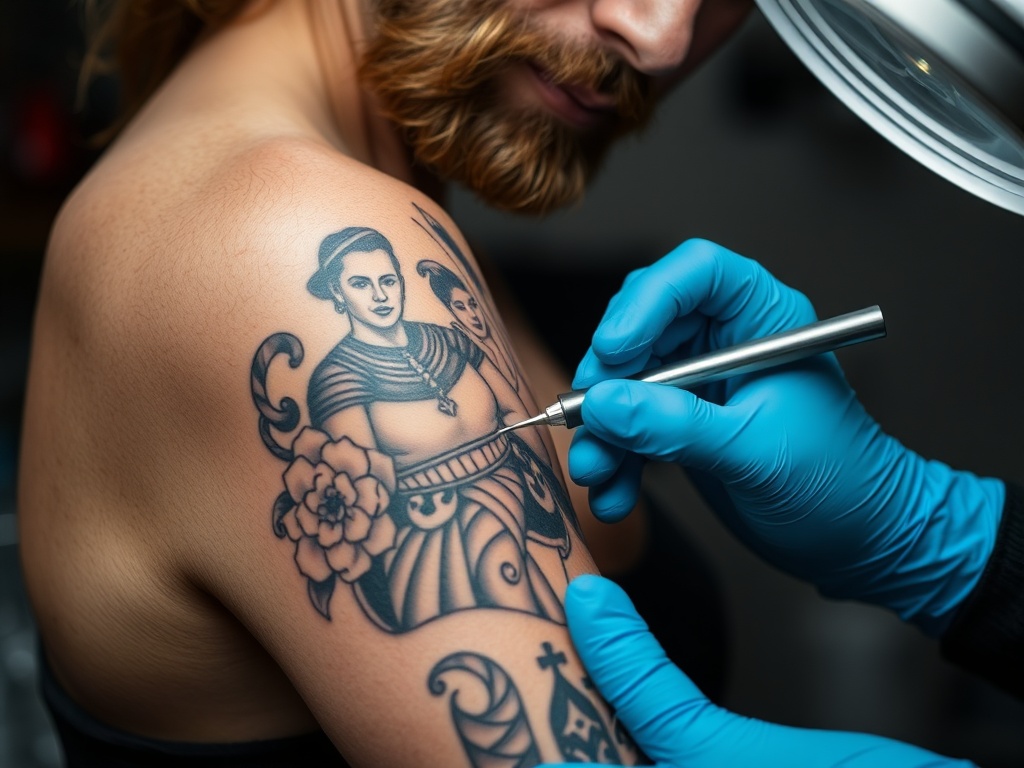
- Personal Protective Equipment (PPE): Wear fresh gloves for each client and procedure. Consider face shields or masks for added safety.
- Hand Hygiene: Wash hands thoroughly before and after glove use, and after touching any non-sterile surface.
- Clothing: Wear clean, protective clothing or aprons that are changed regularly.
Tip: Use a touchless waste bin to dispose of contaminated gloves and supplies instantly.
Client Preparation & Aftercare
Keeping the client informed and prepared is a key component of tattoo safety:
- Medical Screening: Ask clients about allergies, medical conditions, and medications that could impact healing.
- Skin Preparation: Clean and shave the tattoo area with a fresh, single-use razor. Disinfect the skin before starting.
- Aftercare Instructions: Provide clear, written aftercare guidelines. Advise on signs of infection and when to seek medical help.
Internal Link: See our comprehensive tattoo aftercare guide for more detailed instructions.
Case Studies: Hygiene Successes and Failures
Case Study 1: Infection Control Success at Urban Ink
Urban Ink, a UK-based studio, implemented a strict color-coded cleaning system for all reusable tools. Within a year, they reported zero client infections and received top marks on their health inspection.
Case Study 2: The Cost of Cutting Corners
In 2017, a studio in California faced closure after an outbreak of staph infections traced back to improper needle storage and lack of surface disinfection. The incident led to lawsuits and permanent reputational damage.
Actionable Takeaways
- Always follow local tattoo safety guidelines and stay updated on regulations.
- Maintain a clean, well-ventilated studio environment with posted cleaning schedules.
- Use single-use needles and barrier protection wherever possible.
- Ensure all staff are trained in bloodborne pathogen safety and personal hygiene.
- Document all sterilization and cleaning procedures for accountability.
- Educate clients about proper aftercare and infection warning signs.
Frequently Asked Questions
- How do I know if a tattoo studio follows proper hygiene protocols?
- Look for visible licenses, autoclave logs, single-use needles, and staff using gloves and barrier protection. Don’t hesitate to ask about their procedures.
- What are the signs of an infected tattoo?
- Redness, swelling, pus, severe pain, or fever. Seek medical attention if you notice these signs.
- How often should equipment be sterilized?
- All reusable equipment must be sterilized after every use, with logs maintained for each cycle.
For more resources, see our Tattoo Safety and Hygiene Resources page.