Tattoo Machine Comparison: Coil vs. Rotary vs. Pen
Choosing the right tattoo machine is a critical decision for both aspiring and experienced tattoo artists. The debate of coil vs rotary tattoo machine—and now, the increasingly popular pen style—has become central to the craft. Each machine type offers unique advantages, drawbacks, and applications. This comprehensive guide delivers an expert, side-by-side tattoo machine comparison, including practical examples, expert recommendations, and actionable takeaways to help you make the best choice for your tattooing style and clientele.
Table of Contents
- Tattoo Machine Types: An Overview
- Coil Tattoo Machines: Classic Powerhouses
- Rotary Tattoo Machines: Versatility and Simplicity
- Tattoo Pen Machines: Ergonomics and Innovation
- Coil vs Rotary vs Pen: Side-by-Side Comparison
- Practical Examples & Case Studies
- How to Choose the Right Tattoo Machine
- Frequently Asked Questions
- Actionable Takeaways
Tattoo Machine Types: An Overview
Modern tattooing relies on three main types of machines:
- Coil Machines: The traditional choice, known for power and customizability.
- Rotary Machines: Known for smoothness and versatility, suitable for varied techniques.
- Pen Machines: The latest innovation, designed for comfort, balance, and ease of use.
Understanding the mechanics, feel, and performance of each type is essential for informed decision-making. For a broader look at tattoo equipment, see our Essential Tattoo Equipment Guide.
Coil Tattoo Machines: Classic Powerhouses
How Coil Machines Work
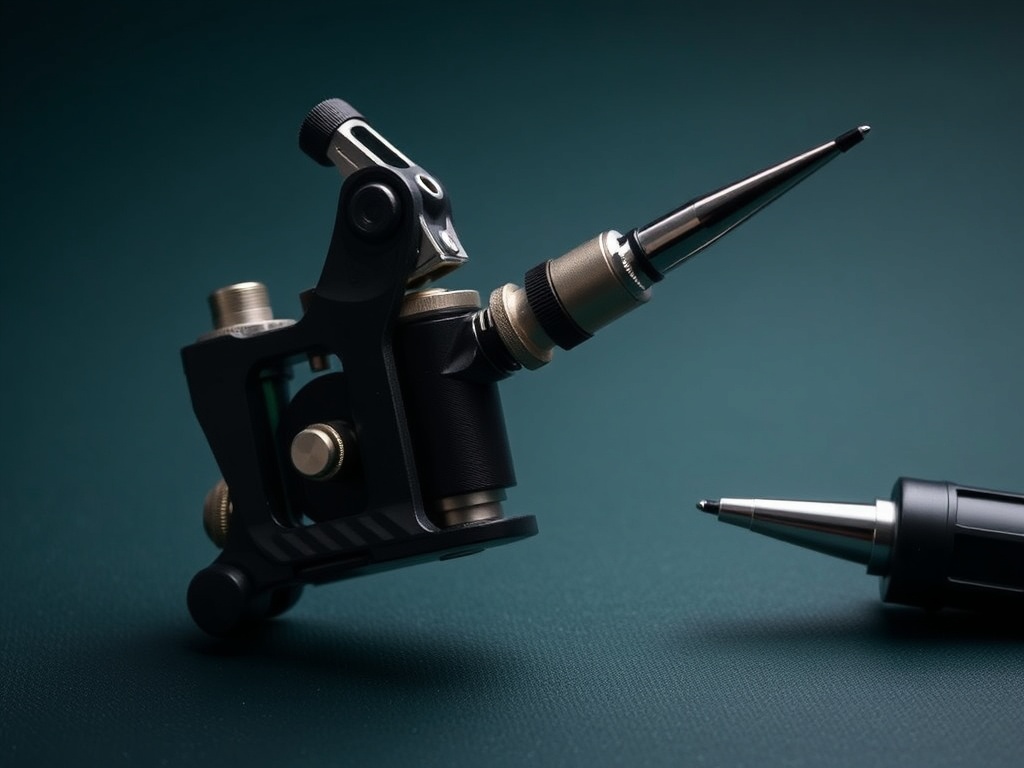
Coil machines use electromagnetic coils to drive an armature bar up and down, creating the signature buzzing sound. This mechanism provides a powerful, punchy stroke favored for lining and shading.
Pros of Coil Machines
- Customizability: Artists can adjust springs, armature bars, and coils for personalized performance.
- Power: Superior for bold lines and dense color packing.
- Reliability: Decades of field-tested durability.
Cons of Coil Machines
- Weight & Vibration: Heavier and more fatiguing over long sessions.
- Complex Maintenance: Requires regular tuning and advanced knowledge.
- Noise: Loud operation can be intimidating for some clients.
Best Use Cases
- Bold linework and traditional styles
- Artists who prefer tactile feedback and manual tuning
- Studios with experienced professionals
Rotary Tattoo Machines: Versatility and Simplicity
How Rotary Machines Work
Rotary machines use a small electric motor to move the needle in a smooth, cyclical motion. They are generally quieter, lighter, and require less maintenance than coil machines.
Pros of Rotary Machines
- Smooth Operation: Minimal vibration and consistent needle movement.
- Lightweight: Reduces artist fatigue during long sessions.
- Low Maintenance: Fewer parts and easier cleaning.
- Versatile: Suitable for lining, shading, and color packing.
Cons of Rotary Machines
- Less Customization: Limited ability to tweak performance compared to coils.
- Less Punch: May struggle with very thick skin or bold lining.
- Feel: Some artists miss the tactile feedback of coils.
Best Use Cases
- Black-and-grey realism, fine lines, and smooth shading
- Artists who value versatility and simplicity
- Traveling artists or beginners
Tattoo Pen Machines: Ergonomics and Innovation
How Tattoo Pens Work
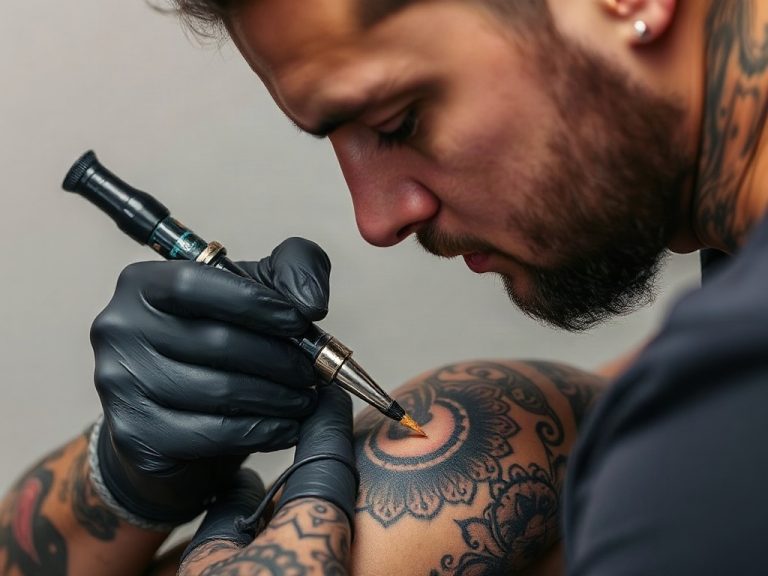
Tattoo pen machines are a variation of rotary machines, designed to mimic the feel of holding a pen or marker. The motor is housed in a pen-shaped body, allowing for natural grip and motion.
Pros of Tattoo Pen Machines
- Ergonomics: Comfortable grip reduces hand fatigue.
- Intuitive Design: Easier for artists transitioning from drawing or painting.
- Quiet & Discreet: Less intimidating for clients.
Cons of Tattoo Pen Machines
- Cost: Generally more expensive than traditional machines.
- Durability: Not as robust as some coil machines for heavy-duty work.
- Limited Customization: Fewer options for adjusting stroke and hit.
Best Use Cases
- Portraits, realism, and detailed work
- Artists with hand or wrist issues
- Studios focused on client comfort and modern aesthetics
Coil vs Rotary vs Pen: Side-by-Side Comparison
| Feature | Coil | Rotary | Pen |
|---|---|---|---|
| Power | High (great for lining/color) | Medium (versatile) | Medium (best for detail) |
| Noise Level | Loud | Quiet | Very quiet |
| Weight | Heavy | Light | Light |
| Customization | High | Low/Medium | Low |
| Maintenance | Frequent | Minimal | Minimal |
| Ergonomics | Traditional grip | Improved grip | Pen-like grip |
| Best For | Bold lines, traditional | Versatile styles | Realism, comfort |
Practical Examples & Case Studies
Case Study 1: Experienced Artist Transitioning to Rotary
Maria, a tattoo artist with 10 years of experience using coils, switched to a rotary machine to expand into realism. She found the reduced vibration allowed for smoother shading and less hand fatigue, helping her extend session lengths and improve detail. However, she keeps her coil machine for traditional, bold linework.
Case Study 2: New Artist Starts with a Pen Machine
Alex, a new tattoo artist, began his career with a pen-style rotary. The familiar grip helped him quickly adapt from drawing on paper, and the quiet operation made clients more comfortable. As his skills grew, he experimented with a rotary for versatility and eventually tried a coil for traditional tattoos.
Case Study 3: High-Volume Studio Uses All Three
At Ink & Steel, a busy urban studio, artists use a mix of all three machine types. Coils are the go-to for large, bold pieces; rotaries for versatile, everyday tattooing; and pens for fine detail and long sessions. This allows the studio to match artist preference and client needs, maximizing efficiency and quality.
How to Choose the Right Tattoo Machine
- Assess Your Style: Do you prefer bold lines, delicate details, or versatility?
- Consider Ergonomics: Hand fatigue can lead to mistakes. Pen machines excel here.
- Evaluate Your Budget: Coils are generally affordable; pens can be an investment.
- Think About Maintenance: Do you enjoy tuning your machine, or do you want plug-and-play?
- Match Machine to Client Needs: Some clients are comfort-sensitive; quiet machines are best.
For more on developing your tattooing technique, visit our Tattooing Techniques for Beginners article.
Frequently Asked Questions
- Is a coil or rotary tattoo machine better for beginners?
- Rotary machines are often easier for beginners due to their simplicity and low maintenance. Coils require more tuning and experience.
- Can you do all styles with one machine?
- Rotary machines offer the most versatility, but many professionals keep multiple machines for different styles.
- Are pen machines good for professional tattooing?
- Yes, pen machines are used by many top artists, especially for realism and fine detail.
Actionable Takeaways
- Test all three machine types before investing heavily—hands-on experience is invaluable.
- Start with a rotary or pen if you’re new, then branch into coils as you refine your technique.
- Keep your studio stocked with at least two machine types for maximum flexibility.
- Prioritize ergonomics and maintenance to protect your hands and ensure consistent quality.
- Stay updated on new machine technology—innovation is rapid in the tattoo industry!
Continue building your expertise with our Tattoo Aftercare Instructions and How to Choose Tattoo Needles guides.