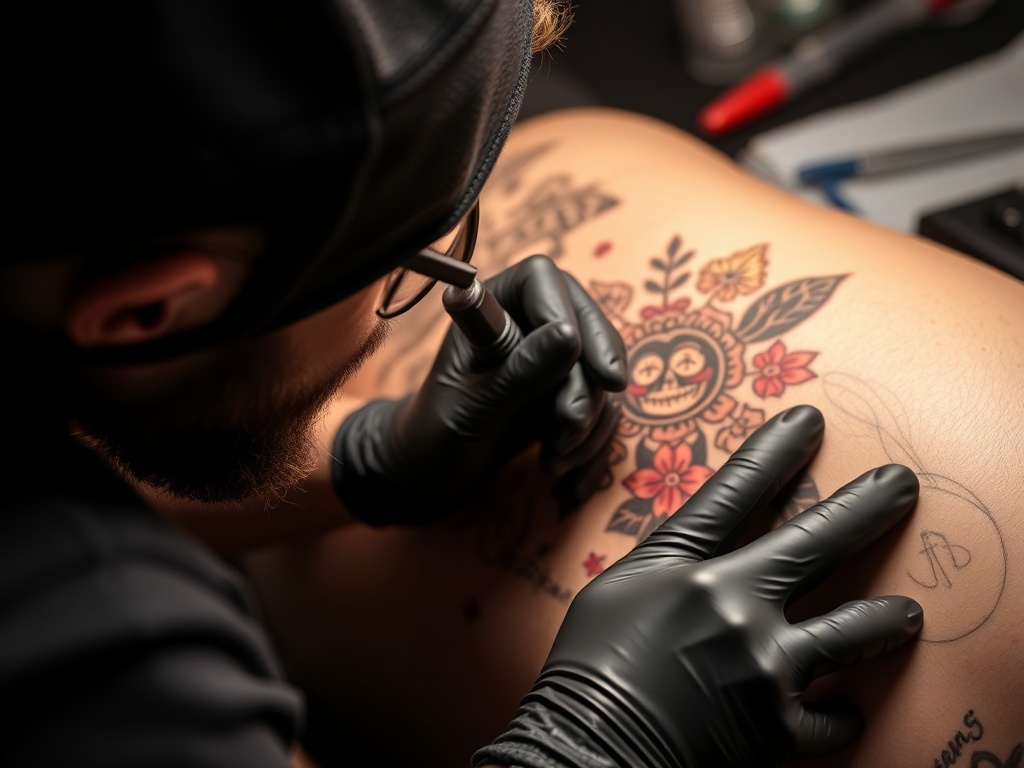
Have you ever gazed at a beautifully inked tattoo and wondered if you could create art like that? Or perhaps you’re already passionate about body art and want to take your skills to a professional level—but don’t know where to start. In today’s digital world, learning the art and science of tattooing isn’t limited to traditional apprenticeships or expensive, in-person classes. Now, with the rise of tattoo courses online, you can access expert instruction, industry secrets, and hands-on techniques—right from the comfort of your own home.
Whether you’re an aspiring artist, a hobbyist, or already working in the creative space, online tattoo courses open up a world of opportunity. From mastering the fundamentals of hygiene and machine setup, to exploring advanced shading, color theory, and even building a professional portfolio, these programs offer structured, comprehensive learning for every stage of your journey. But with so many options available, how do you choose the right course? What should you expect? And how can you ensure you’re learning from true industry experts?
As a team of seasoned tattoo professionals and online education experts, we’ve helped thousands of students transform their passion into a thriving career. We understand the unique challenges and rewards that come with learning tattooing online—and we know exactly what separates a mediocre course from an exceptional one. In this ultimate guide, we’ll walk you through everything you need to know to make an informed decision and maximize your learning experience.
Here’s what you’ll discover in this comprehensive guide:
- How online tattoo courses work—and if they’re right for you
- The essential skills and knowledge you’ll gain
- How to evaluate and choose the best course for your goals
- Insider tips for practicing safely and legally
- Steps to build your portfolio and launch your tattooing career
Ready to unlock your creative potential and master tattooing from anywhere? Let’s dive in.
Table of Contents
- [TOC]
- Introduction to Tattoo Courses Online
- Tattooing Basics: Understanding the Art and Science
- How to Choose the Best Tattoo Course Online
- 1. Accreditation and Recognition
- 2. Comprehensive and Up-to-Date Curriculum
- 3. Instructor Credibility and Experience
- 4. Student Reviews and Success Stories
- 5. Flexibility, Format, and Learning Support
- 6. Cost and Value for Money
- 7. Additional Considerations
- Checklist: Evaluating an Online Tattoo Course
- Conclusion: Making an Informed Choice
- Quick Start Guide: Your First Tattoo Course Online
- Step 1: Define Your Tattoo Learning Goals
- Step 2: Research and Select the Right Online Tattoo Course
- Step 3: Gather Your Essential Tattoo Equipment
- Step 4: Prepare Your Learning Environment
- Step 5: Master the Foundations Before Inking Skin
- Step 6: Engage with the Online Learning Community
- Step 7: Track Your Progress and Set Next Steps
- Common Beginner Questions: Quick Answers
- Summary: Your Path Forward
- Step-by-Step Tutorials: Learning Core Tattooing Techniques
- 1. Line Work: The Foundation of Every Tattoo
- 2. Shading: Bringing Depth and Dimension
- 3. Coloring: Achieving Bold, Vibrant Tattoos
- 4. Aftercare: Ensuring Longevity and Safe Healing
- Bonus: Building a Practice Routine for Ongoing Improvement
- Further Learning: Curated Video Playlists and Image Galleries
- Summary & Next Steps
- Essential Tools and Resources for Online Tattoo Learning
- Conclusion: Your Pathway to Tattoo Mastery
- Comparison Table: Top Online Tattoo Courses Reviewed
- Overview: What Makes a Great Online Tattoo Course?
- Comprehensive Comparison Table
- In-Depth Analysis: Key Course Features Explained
- How to Choose the Right Online Tattoo Course for You
- Actionable Steps: Maximizing Your Online Tattoo Course Experience
- Frequently Asked Questions About Online Tattoo Courses
- Conclusion: Making Your Decision
- Case Studies: Success Stories from Online Tattoo Students
- Expert Insights: Advice from Leading Tattoo Artists and Instructors
- Meet the Experts: Profiles of Influential Tattoo Educators
- Getting Started: What Every New Tattoo Artist Should Know
- Mastering Online Tattoo Courses: Actionable Strategies for Success
- Real-World Examples: Turning Online Learning into Professional Success
- Expert Q&A: Addressing Common Challenges in Online Tattoo Courses
- Insider Tips: What Sets the Best Online Tattoo Artists Apart
- Advice for Choosing the Right Online Tattoo Course
- Final Words from the Experts
- Legal, Safety, and Hygiene Considerations in Online Tattoo Training
- Understanding Licensing and Legal Requirements
- Health Regulations: Protecting Clients and Artists
- Hygiene Standards in Tattooing: Beyond the Basics
- Addressing the Limitations of Online Tattoo Education
- Common Legal and Hygiene Pitfalls in Online Tattoo Training (and How to Avoid Them)
- Resources for Further Study and Compliance
- Conclusion: Making Legal, Safe, and Hygienic Tattoo Education a Priority
- Building Your Tattoo Portfolio and Brand Online
- Why Your Online Portfolio Matters
- Creating a Standout Tattoo Portfolio
- Establishing Your Personal Brand
- Marketing Yourself Online: Strategies for Visibility and Growth
- Mastering Social Media for Tattoo Artists
- Building Authority and Trust Online
- Practical Example: Building a Portfolio from Your Tattoo Course Online
- Measuring Your Online Success
- Conclusion: Invest in Your Digital Presence
- Continuing Education: Mastering Advanced Tattoo Techniques Online
- Why Advanced Online Tattoo Education Matters
- Exploring Advanced Tattoo Courses Online
- Specializations: Finding Your Niche
- Staying Updated: Evolving Tattoo Trends and Technology
- Practical Tips for Maximizing Your Online Tattoo Education
- Conclusion: Elevate Your Tattoo Career With Ongoing Online Learning
- Frequently Asked Questions
- Conclusion
- Related Articles
„`html
Introduction to Tattoo Courses Online
The world of tattoo artistry has experienced a profound transformation in recent years, fueled by advancements in technology and the growing demand for accessible, high-quality education. Today, aspiring tattoo artists and seasoned professionals alike can hone their craft, expand their portfolios, and advance their careers from virtually anywhere—thanks to the rise of comprehensive online tattoo courses.
This guide is designed to provide you with a deep understanding of online tattoo education: its rapid growth, its significance in the modern tattoo industry, the variety of learners it serves, and what you can expect from the rest of this resource. Whether you are a complete beginner dreaming of becoming a tattoo artist, a self-taught artist seeking formal training, or a working professional aiming to refine your techniques, online tattoo courses offer a tailored path to mastery.
The Rise of Online Tattoo Education
Traditionally, tattooing was learned through apprenticeships, where new artists would work under the close supervision of experienced mentors in a shop environment. While apprenticeships remain valuable, they can be difficult to secure, location-dependent, and often time-consuming. Online education has emerged as a game-changer, breaking down barriers and democratizing access to high-quality tattoo instruction.
Key Drivers of Online Tattoo Course Popularity
- Accessibility: Students can learn from anywhere in the world, regardless of their proximity to established tattoo shops or mentors.
- Flexibility: Online courses allow learners to study at their own pace and on their own schedules, which is ideal for those balancing jobs, family, or other commitments.
- Diverse Expertise: Many online platforms feature instructors who are renowned artists, shop owners, or industry veterans, offering insights that might be unavailable locally.
- Cost-Effectiveness: Compared to traditional apprenticeships or in-person workshops, online courses are often more affordable and eliminate relocation or commuting expenses.
- Comprehensive Curriculum: Leading online courses offer structured, step-by-step learning paths, including video tutorials, downloadable resources, interactive assignments, and community forums.
Why Online Tattoo Education Matters
The significance of online tattoo courses goes beyond convenience. In an industry where hygiene, technique, and creative expression are paramount, structured online learning provides:
- Standardized Knowledge: Quality online courses cover essential topics such as sterilization, machine handling, skin anatomy, aftercare, and artistic styles, ensuring all students build a solid foundation.
- Global Best Practices: Exposure to international standards and diverse artistic approaches, helping learners broaden their skillsets and perspectives.
- Safe Learning Environment: Beginners can practice and develop skills safely, with guidance on practicing on synthetic skin or fruit before working on live models.
- Continuous Professional Development: Practicing artists can update their knowledge, learn new techniques, or diversify into emerging styles and technologies (such as cosmetic tattooing or digital design).
Example: How Online Tattoo Courses Empower Learners
Consider an aspiring tattoo artist living in a rural area with no local tattoo shops. Through an online course, they gain access to video demonstrations by master artists, submit their practice work for feedback, and join a community of peers for support and critique. This virtual apprenticeship enables them to develop competence and confidence before ever stepping into a professional studio.
Who Are Online Tattoo Courses For?
Online tattoo courses cater to a wide spectrum of learners. Understanding your background and goals will help you choose the right learning path and maximize your experience.
- Complete Beginners: Individuals with no previous experience in tattooing or art, seeking a structured introduction from the basics to more advanced concepts.
- Self-Taught Artists: Those who have started tattooing informally and want to formalize their training, fill knowledge gaps, or ensure they are following industry best practices.
- Professional Tattoo Artists: Working artists looking to update their skills, learn new styles (e.g., watercolor, realism, dotwork), or understand the latest in hygiene and safety protocols.
- Cosmetic Tattooists: Individuals specializing in permanent makeup (PMU), microblading, or paramedical tattooing who want to expand their knowledge or cross-train in traditional tattooing.
- Industry Enthusiasts: Tattoo shop managers, apprentices, or passionate collectors interested in deepening their understanding of tattoo art, history, and culture.
Actionable Insight: Assess Your Starting Point
Before enrolling in an online tattoo course, take a moment to assess your current skills and goals:
- Are you brand new to tattooing? Look for courses with beginner modules and foundational content.
- Do you already have art or design experience? Seek programs that integrate drawing, color theory, and portfolio development.
- Are you looking to specialize? Identify courses that cover your area of interest, such as blackwork, Japanese traditional, or cosmetic tattooing.
- Do you need certification? Ensure the course provides recognized certificates or aligns with your local licensing requirements.
What Sets Online Tattoo Courses Apart?
To appreciate the value of online tattoo courses, it’s important to recognize what distinguishes them from traditional learning formats:
| Traditional Apprenticeship | Online Tattoo Course |
|---|---|
| Requires in-person commitment, often unpaid and time-intensive | Flexible, self-paced modules accessible 24/7 |
| Limited to the skills and styles of the mentor | Access to multiple instructors and diverse global styles |
| Hands-on practice, but sometimes limited theoretical instruction | Balanced focus on theory, technique, hygiene, and business skills |
| Difficulty in securing apprenticeships, especially for minorities or those in rural areas | Open enrollment, inclusive to all backgrounds and locations |
Practical Example: Self-Paced Learning in Action
Maria, a graphic designer with a passion for tattoo art, works full-time and cannot commit to a traditional apprenticeship. An online tattoo course allows her to study in the evenings, complete assignments at her own pace, and interact with instructors through video calls. By the time she completes the program, she has a professional portfolio and a clear understanding of safety protocols—ready to transition into tattooing.
What to Expect from This Guide
As you explore this comprehensive guide, you will discover everything you need to know to get started with tattoo courses online, make informed choices, and set yourself up for long-term success:
- Detailed Overviews: In-depth analysis of the types of online tattoo courses available, including their structure, content, and teaching methods.
- Step-by-Step Guidance: Practical advice on selecting the right course, what to look for in instructors, and how to prepare for online learning.
- Skill Development: Insights into the essential skills taught in online courses, from drawing and design to machine setup and advanced techniques.
- Hygiene and Legalities: Up-to-date information on health, safety, and legal requirements for aspiring tattoo artists.
- Portfolio Building: Strategies for creating, refining, and showcasing your work to potential clients or employers.
- Community and Support: How to connect with peers, access feedback, and build a network within the online tattoo community.
- Career Advancement: Tips for transitioning from online learning to real-world practice, finding apprenticeships, or launching your tattoo business.
Actionable Insight: How to Make the Most of This Guide
- Read through each section in order, as foundational concepts build toward more advanced topics.
- Take notes and reflect on your goals as you encounter new information or techniques.
- Participate in recommended exercises, practice assignments, or community discussions to reinforce learning.
- Bookmark resources, checklists, and templates for future reference as you progress in your tattoo journey.
Conclusion: Embracing the Future of Tattoo Education
Online tattoo courses represent a major leap forward for both newcomers and experienced artists. They offer unprecedented access to world-class instruction, practical resources, and supportive communities—all while accommodating the realities of modern life. By understanding the significance of online tattoo education, clarifying your goals, and engaging fully with this guide, you are taking a decisive step toward mastering the art and craft of tattooing.
In the following sections, we will explore specific course formats, how to evaluate programs, essential skills to develop, and real-world tips for building your tattoo portfolio and career. Whether your ambition is to start a new creative journey or elevate your existing practice, online tattoo education opens the door to a world of opportunity—let’s walk through it together.
„`
„`html
Tattooing Basics: Understanding the Art and Science
Embarking on your tattoo journey begins with a solid understanding of the fundamentals. Whether you’re considering enrolling in a tattoo course online or simply want to deepen your appreciation for this ancient art, grasping the basics is essential. This section covers the foundational principles of tattooing, blending its rich history, diverse styles, the science behind skin anatomy, and critical hygiene practices. By mastering these core concepts, you’ll build the confidence and competency needed to thrive in the world of professional tattooing.
The Evolution of Tattooing: A Brief History
Tattooing is one of humanity’s oldest forms of body art, with roots tracing back thousands of years. Understanding its history not only deepens your respect for the craft but also informs your creative approach.
- Ancient Beginnings: Archaeological evidence, such as Ötzi the Iceman (c. 3300 BCE), demonstrates that tattooing has been practiced for over 5,000 years. Early tattoos often had spiritual, ritualistic, or medicinal purposes.
- Cultural Significance: Indigenous cultures worldwide—Maori, Polynesian, Egyptian, Native American, and Japanese—each developed unique tattoo traditions, techniques, and symbolism.
- Modern Renaissance: The invention of the electric tattoo machine by Samuel O’Reilly in 1891 revolutionized the industry, making tattoos more accessible and varied. Today, tattooing is recognized both as personal expression and fine art.
Actionable Insight: Study the roots of various tattoo traditions as part of your online tattoo course. This knowledge can inspire your designs and help you connect with clients seeking culturally meaningful tattoos.
Exploring Tattoo Styles: From Classic to Contemporary
A comprehensive tattoo education requires familiarity with the wide spectrum of tattoo styles. Each style has its own techniques, visual language, and history. Here are some of the most influential styles you’ll encounter in your online tattoo course:
- Traditional (Old School): Bold black outlines, limited color palettes, and iconic motifs such as anchors, hearts, and swallows. Popularized by American sailors in the early 20th century.
- Neo-Traditional: Builds upon traditional techniques with more detail, depth, and a broader color spectrum.
- Realism: Highly detailed, lifelike portraits and scenes, often in black and gray or full color.
- Japanese (Irezumi): Rooted in centuries-old traditions, featuring mythological creatures, waves, and cherry blossoms with intricate shading and symbolism.
- Blackwork: Uses solid black ink for bold, graphic designs or intricate geometric patterns.
- Watercolor: Mimics the look of watercolor paintings, with soft edges and vibrant bursts of color.
- Minimalist & Fine Line: Focuses on delicate, crisp lines and subtle imagery, popular in contemporary tattooing.
Practical Example: When beginning your tattoo course online, practice sketching designs in multiple styles. This will help you discover your artistic strengths and expand your portfolio.
How to Choose a Tattoo Style
- Study a variety of artists and their signature techniques.
- Experiment with digital or hand-drawn sketches.
- Consider your personal interests and the stories you want to tell through your art.
- Seek feedback from mentors or peers in online course communities.
- Stay open to evolving your style as you gain experience.
The Science of Skin: Anatomy and Tattoo Application
Understanding the anatomy of the skin is crucial for safe and effective tattooing. A professional tattoo artist must know how ink interacts with different skin layers to ensure lasting, vibrant results and minimize health risks.
Layers of the Skin
- Epidermis: The outermost layer, serving as a protective barrier. Tattoo needles must penetrate beyond this layer for permanent results.
- Dermis: The middle layer, rich in collagen fibers and blood vessels. Tattoo ink is deposited here, where it remains stable and visible.
- Subcutaneous Tissue: The deepest layer, composed mainly of fat and connective tissue. Inking too deeply can cause blowouts or scarring.
Key Tattooing Principles Based on Skin Anatomy
- Depth Control: Proper needle depth (typically 1–2 mm) is vital to avoid excessive pain, scarring, or faded tattoos.
- Stretching the Skin: Keeping the skin taut ensures cleaner lines and even ink distribution.
- Skin Types: Oily, dry, sensitive, or aged skin require different approaches. For example, delicate skin may heal slower and need gentler technique.
Actionable Insight: Practice on synthetic skins or fruit (like oranges) during your online tattoo course to develop a feel for needle depth and hand pressure before working on human clients.
Common Skin Reactions
- Redness and Swelling: Normal, usually subsides within a few days.
- Allergic Reactions: May occur with certain ink pigments. Always review client allergies beforehand.
- Infection: Rare with proper hygiene, but possible. Learn to recognize early signs and educate clients on aftercare.
Hygiene and Safety: The Non-Negotiable Standards
Hygiene is the cornerstone of professional tattooing. A single lapse can lead to serious infections, allergic reactions, or even transmission of bloodborne diseases. Responsible artists—whether training online or in-person—must strictly adhere to safety protocols for their protection and that of their clients.
Essential Hygiene Practices
- Hand Hygiene: Wash hands thoroughly before and after any procedure. Use disposable gloves, changing them frequently.
- Sterilization: Use autoclaves to sterilize non-disposable equipment. Single-use needles and tubes are recommended for beginners.
- Clean Work Environment: Disinfect all surfaces before and after each session. Use barrier film on machines, clip cords, and workstations.
- Safe Ink Handling: Pour ink into disposable caps, never back into the bottle. Discard unused ink after each client.
- Personal Protective Equipment (PPE): Wear gloves, face masks, and protective clothing as needed.
Preventing Cross-Contamination
- Dispose of needles and sharps in certified containers.
- Use disposable razors and ink cups for each client.
- Never touch non-sterile surfaces or equipment with gloved hands used for tattooing.
- Educate clients on aftercare to prevent post-session infections.
Practical Example: During your online tattoo course, set up a mock workstation at home. Practice your workflow, focusing on keeping your setup sterile and your movements efficient.
Understanding Bloodborne Pathogens
Tattoo artists must be trained in bloodborne pathogens to prevent the transmission of infections such as Hepatitis B, Hepatitis C, and HIV. Most reputable online tattoo courses include a dedicated module or certification on this topic.
- Complete a bloodborne pathogens training course.
- Follow universal precautions—assume all bodily fluids are potentially infectious.
- Maintain proper documentation of training and certifications.
Legal and Ethical Responsibilities
- Obtain client consent using written forms before starting any tattoo.
- Maintain accurate records of procedures and equipment sterilization.
- Stay updated with local regulations and licensing requirements for tattoo artists in your area.
Actionable Insight: Regularly review and update your hygiene protocols as new health guidelines emerge. Connect with peers in your online course community to share best practices and resources.
Building the Right Foundation: Practice and Mindset
Becoming a skilled tattoo artist requires more than technical know-how—it’s about developing the right mindset, discipline, and respect for both the art and the client. Here’s how to lay a solid foundation during your online tattoo education:
- Consistent Practice: Dedicate time each day to drawing, studying skin anatomy, and practicing on synthetic materials.
- Seek Feedback: Share your work with instructors and peers for constructive criticism.
- Stay Curious: Explore new styles, attend virtual workshops, and keep up with industry trends.
- Respect the Craft: Approach each tattoo with care and professionalism, understanding the lifelong impact on your client.
Practical Example: Set personal learning goals, such as mastering one new style each month or improving your workstation setup. Document your progress through photos or a digital portfolio.
Conclusion: Your First Steps in Tattooing
Mastering the basics is the first and most crucial step in your tattoo career. By understanding the history and styles, appreciating the science of skin, and rigorously applying hygiene standards, you lay the groundwork for safe, creative, and rewarding work. An online tattoo course offers the flexibility to study these fundamentals at your own pace, while connecting you with a community of like-minded artists.
As you move forward, remember: ongoing education, practice, and a commitment to safety are the hallmarks of a true professional. Use this foundation to explore advanced techniques, experiment with your unique style, and create meaningful art that lasts a lifetime.
„`
„`html
How to Choose the Best Tattoo Course Online
Embarking on a career in tattoo artistry is an exciting journey, but the first step—choosing the right online tattoo course—can feel overwhelming. With countless options available, it’s crucial to know what truly matters when evaluating a course. This section breaks down the essential factors to consider, provides real-world examples, and equips you with actionable tips to ensure you invest in your skills wisely.
1. Accreditation and Recognition
Accreditation is one of the most important indicators of a course’s credibility. While the tattoo industry is largely self-regulated, reputable courses often partner with established industry organizations or offer certifications recognized by professional tattoo associations.
- Why Accreditation Matters: Accredited courses demonstrate a commitment to industry standards, hygiene, and safety protocols. This can make a significant difference when applying for apprenticeships, joining a studio, or seeking insurance.
- Examples of Accreditation:
- Courses endorsed by organizations like the Alliance of Professional Tattooists (APT) or Society of Permanent Cosmetic Professionals (SPCP).
- Certificates that specifically mention compliance with local or international health and safety regulations.
- Red Flags: Avoid courses that offer “instant” certifications with little to no coursework or don’t clearly state their affiliations.
Actionable Tip:
Before enrolling, research your region’s requirements for tattoo artists. Choose a course that helps you meet those prerequisites, especially for bloodborne pathogens and hygiene training.
2. Comprehensive and Up-to-Date Curriculum
A high-quality online tattoo course should cover far more than just the basics of using a tattoo machine. The curriculum should be detailed, well-structured, and updated regularly to reflect the latest in techniques, safety standards, and technology.
- Core Topics to Look For:
- Skin anatomy and tattoo healing process
- Health, safety, and sterilization protocols
- Different tattooing styles (traditional, realism, geometric, etc.)
- Machine and needle selection and maintenance
- Ink selection and color theory
- Design principles and stencil creation
- Client consultation and aftercare guidance
- Advanced Modules:
- Cover-ups and corrections
- Business management for tattoo artists
- Portfolio building and branding
- Interactive Learning: Look for courses that offer practical demonstrations, downloadable resources, and opportunities for feedback on your work.
Example:
“The Modern Tattooist Masterclass” provides a week-by-week syllabus, starting with hygiene and progressing to advanced shading and color blending, including regular live Q&A sessions with instructors.
Actionable Insight:
Ask for a course syllabus before enrolling. Compare curriculums from several top-rated courses to ensure you’re getting the most comprehensive education for your investment.
3. Instructor Credibility and Experience
The expertise and teaching style of your instructor can make or break your learning experience. Great tattoo artists aren’t always great teachers, so it’s important to evaluate both their professional background and their ability to educate.
- Key Qualities to Look For:
- Years of professional tattooing experience
- Portfolio showcasing a range of styles and healed work
- Experience teaching or mentoring other artists
- Active participation in industry events, conventions, or publications
- Research the Instructor:
- Google their name and review their social media presence (e.g., Instagram portfolio, YouTube tutorials)
- Read testimonials from former students
- Look for interviews or guest appearances on tattoo podcasts
Practical Example:
An online course led by someone like Sarah Lopez, with 15+ years of tattooing experience, an award-winning portfolio, and a reputation for mentoring up-and-coming artists, is likely to offer a richer learning experience than one run by an unknown or inexperienced teacher.
Actionable Tip:
Don’t hesitate to reach out directly to the instructor or course provider with questions about their background and teaching approach. Genuine educators will be happy to share their experience.
4. Student Reviews and Success Stories
Honest feedback from past students provides invaluable insights into a course’s strengths and weaknesses. Beyond star ratings, pay attention to detailed reviews and look for evidence of real student success.
- Where to Find Reviews:
- Independent review platforms (Trustpilot, Reddit, Tattoo forums)
- Social media comments and tagged posts from real students
- The course’s own website (look for video testimonials and portfolio showcases)
- What to Look For in Reviews:
- Mentions of clear instruction and useful feedback
- Evidence that students have gone on to secure apprenticeships, jobs, or exhibit their tattoo work
- Constructive criticism about course limitations or areas for improvement
Example:
“After completing the course, I landed an apprenticeship at a top studio and have built a client base thanks to the portfolio I developed during the program.” — Jessica M., former student
Actionable Insight:
Join tattoo artist communities on Facebook or Discord, and ask members if they’ve taken the course you’re considering. First-hand accounts are often the most honest and helpful.
5. Flexibility, Format, and Learning Support
Online learning should fit your schedule and preferred learning style. Evaluate the course’s format, available support, and resources to ensure you’ll get the most from your investment.
- Key Considerations:
- Self-paced vs. cohort-based learning
- Access to course materials (lifetime access, downloadable resources, etc.)
- Option for live feedback, Q&A sessions, or community forums
- Technical support and clear instructions for assignments
- Learning Modalities:
- Video tutorials and live demonstrations
- Downloadable guides and practice sheets
- Opportunities to submit work for critique
Example:
“InkMaster Online Academy” offers a private student group where you can share progress photos, ask questions, and get personalized advice from instructors and peers.
Actionable Insight:
Choose a course with ongoing access to a learning community or alumni network. These connections can be invaluable for feedback and future job opportunities.
6. Cost and Value for Money
Pricing for online tattoo courses can vary widely, from under $100 to several thousand dollars. While cost is an important factor, it should be weighed against the quality of education, resources provided, and long-term value.
- What’s Included in the Price?
- Access to all modules and future updates
- Downloadable materials and templates
- Feedback or 1:1 coaching sessions
- Physical starter kits (sometimes offered, but not always necessary)
- Financial Considerations:
- Payment plans or scholarships available
- Refund policy and free trial options
- Discounts for early enrollment or group purchases
- Hidden costs (e.g., required supplies, certification fees)
- Cost vs. Value: An expensive course isn’t always the best, but rock-bottom prices often signal low quality or limited support.
Practical Example:
A $900 course that includes lifetime access, ongoing mentorship, and a comprehensive curriculum may offer better long-term value than a $100 course that only provides a handful of pre-recorded videos.
Actionable Tip:
Make a checklist of your must-have features and compare what’s included in the price for each course. Don’t forget to account for additional expenses like practice skins, machines, and inks.
7. Additional Considerations
While the above factors are key, there are a few more elements that can make a difference in your learning journey:
- Post-Course Support: Does the course offer resources for finding apprenticeships, building your portfolio, or navigating the business side of tattooing?
- Community and Networking: Access to a network of fellow students and industry professionals enhances your learning and can open doors in your career.
- Legal and Compliance: Ensure the course content aligns with regulations in your area, especially regarding hygiene and sanitation.
Checklist: Evaluating an Online Tattoo Course
- Is the course accredited or recognized by any professional organizations?
- Does the curriculum cover all essential and advanced topics?
- Are the instructors experienced and credible?
- Do student reviews and success stories demonstrate real value?
- Is the course format compatible with your schedule and learning style?
- Does the price reflect the value offered? Are there hidden costs?
- What kind of post-course support and community access is provided?
- Does the course help you meet local legal and safety requirements?
Conclusion: Making an Informed Choice
Choosing the best online tattoo course is a significant investment in your future as a tattoo artist. Take the time to research each option thoroughly—scrutinize credentials, curriculum, instructor background, and student feedback. Reach out to providers with questions, and don’t be swayed by flashy marketing alone. The right course will provide comprehensive education, genuine support, and a clear pathway to professional success. Remember: your skills, reputation, and career will be built on this foundation, so choose wisely and invest in your artistry.
„`
„`html
Quick Start Guide: Your First Tattoo Course Online
Embarking on your journey as a tattoo artist is both exciting and a little daunting. With online tattoo courses, you can start learning at your own pace, from the comfort of home, and set a solid foundation for your craft. This step-by-step guide will walk you through everything you need to know to get started, from choosing your first course to setting up your beginner’s workspace. Whether you’re aspiring to turn tattooing into a career or simply exploring it as a creative outlet, this roadmap will help you navigate your first steps with clarity and confidence.
Step 1: Define Your Tattoo Learning Goals
Before diving into any online course, it’s important to clarify your objectives. Are you aiming to become a professional tattoo artist, or are you seeking to understand the art form for personal enrichment? Understanding your goals will help you choose the right course and remain motivated throughout your learning journey.
- Professional ambitions: Seek comprehensive, accredited courses with mentorship and certification options.
- Hobbyist interest: Consider shorter, introductory courses that focus on the basics and safety.
- Portfolio building: Look for courses that emphasize hands-on practice and provide feedback.
Step 2: Research and Select the Right Online Tattoo Course
With so many online tattoo courses available, selecting the right one can be overwhelming. Here are key factors to consider before enrolling:
What to Look For in a Tattoo Course Online
- Instructor credentials: Choose courses taught by experienced, licensed tattoo artists with a proven track record.
- Course curriculum: Opt for programs covering fundamental skills, hygiene, machine handling, design theory, and skin anatomy.
- Student reviews: Read testimonials and ratings to gauge course effectiveness and instructor support.
- Learning format: Decide if you prefer live, interactive classes or self-paced video lessons.
- Certification: If you’re pursuing a career, ensure the course provides a certificate of completion or qualifies for professional licensing in your region.
Practical Example: Comparing Course Options
Suppose you’re choosing between two popular online platforms:
- Platform A offers a 12-week, instructor-led program with live demonstrations, downloadable resources, and weekly feedback on assignments.
- Platform B features a self-paced video series with basic modules and a discussion forum, but no direct feedback.
If you value personalized guidance and accountability, Platform A is likely a better fit. For independent learners on a tight schedule, Platform B may be preferable.
Step 3: Gather Your Essential Tattoo Equipment
Starting a tattoo course requires some basic equipment. Many courses will provide a recommended kit list, but here’s what most beginners need:
Starter Tattoo Kit Checklist
- Tattoo machine: Rotary or coil machine; rotary is generally easier for beginners.
- Power supply and foot pedal: For consistent machine operation.
- Practice skin: Synthetic skins or fruit (like oranges or bananas) for practicing technique.
- Needles and tubes: Single-use, sterile needles of various types (liners and shaders).
- Inks: Professional-grade tattoo inks in assorted colors (for practice, non-toxic ink is a must).
- Disposable gloves: Nitrile or latex to maintain hygiene.
- Stencil paper and transfer solution: For transferring designs onto skin or practice surfaces.
- Cleaning supplies: Green soap, disinfectant wipes, and barrier film to ensure a sterile environment.
- Clip cord covers and machine bags: To prevent cross-contamination.
- Basic workstation: A clean, well-lit desk or table dedicated to tattoo practice.
Actionable Insight: Budgeting for Your First Kit
A basic beginner’s tattoo kit typically costs between $100 and $300. Investing in quality supplies ensures safer and more effective practice. Avoid ultra-cheap kits, as poorly made equipment can hinder your progress and compromise safety.
Pro Tip: Check if your chosen course offers a starter kit bundle or a recommended supplier list to simplify the process.
Step 4: Prepare Your Learning Environment
Setting up a distraction-free, hygienic workspace is crucial. Here’s how to prepare your at-home tattoo learning station:
- Cleanliness: Sanitize your workstation before and after each practice session.
- Organization: Arrange all tools within easy reach; keep used needles and contaminated materials in a designated disposal area.
- Lighting: Use a bright, adjustable lamp to see fine details clearly.
- Comfort: Invest in an ergonomic chair to support your posture during extended practice sessions.
- Ventilation: Ensure your space is well-ventilated, especially when using cleaning solutions.
Example: Many beginners set up a dedicated desk in a spare room, using a plastic tablecloth for easy cleaning, and organizing supplies in labeled bins or drawers.
Step 5: Master the Foundations Before Inking Skin
Tattooing is an art and a science. Before you even touch a tattoo machine to living skin, your online course will guide you through a variety of foundational skills:
- Drawing and design: Practice sketching tattoo flash and custom designs. Many courses include drawing exercises and feedback.
- Skin anatomy: Learn the structure of the skin, how ink is deposited, and why depth and technique matter for safety and longevity.
- Sterilization and hygiene: Get familiar with proper sanitation protocols, from handwashing to equipment disposal, to prevent infection and cross-contamination.
- Machine assembly and handling: Assemble and disassemble your tattoo machine, adjust needle depth, and maintain equipment.
- Stencil transfer: Practice transferring your designs onto fake skin using stencil paper and transfer gel.
- Practice tattooing: Begin on practice skin or fruit, focusing on linework, shading, and consistent hand speed.
Actionable Practice Routine
- Draw a new tattoo design daily to build your portfolio and develop your artistic style.
- Set aside 30–60 minutes each day for machine handling drills on practice skin.
- Record your practice sessions (video or photos) to track your progress and receive feedback from instructors or peers.
- Regularly review hygiene and safety modules to reinforce best practices.
Tip: Don’t rush to tattoo on real skin. Mastering the basics on practice materials will drastically reduce mistakes and set you up for long-term success.
Step 6: Engage with the Online Learning Community
One of the key advantages of online tattoo courses is access to a global community of learners and mentors. Take full advantage by:
- Joining course forums or social media groups to share progress and ask questions.
- Participating in instructor Q&A sessions or live webinars.
- Seeking constructive feedback by posting your practice work for peer review.
- Building connections with fellow beginners for accountability and support.
Practical Example: Leveraging Community Support
New students often post images of their linework on practice skin to a course’s private Facebook group, receiving helpful critiques, encouragement, and troubleshooting tips from both instructors and peers.
Step 7: Track Your Progress and Set Next Steps
Consistent progress tracking is key to improvement. Here’s how to measure your growth and plan your next learning milestones:
- Maintain a visual portfolio of your designs and practice tattoos, noting dates and techniques used.
- Set weekly goals (e.g., “Master three new shading techniques this week” or “Complete five clean linework exercises”).
- Review instructor feedback and adjust your practice routine accordingly.
- Begin studying local tattoo regulations and licensing requirements if you plan to transition to working on real clients.
Actionable Insight: Building Your Tattoo Artist Portfolio
Start compiling your best designs, practice tattoos, and before/after shots in a digital or physical portfolio. This not only showcases your progress but is essential for applying to apprenticeships or professional studios in the future.
Common Beginner Questions: Quick Answers
- Can I become a professional tattoo artist through online courses alone?
Online courses are a great foundation, but most regions require an apprenticeship and hands-on experience before you can tattoo clients legally. Use online learning as a launchpad. - Is tattooing safe to practice at home?
Only practice on synthetic skin or fruit at home. Never tattoo yourself or others until you’ve mastered safety protocols and local regulations. - What if I make mistakes on practice skin?
Mistakes are part of the learning process. Review what went wrong, seek feedback, and try again. The more you practice, the more your skills will improve. - Do I need to be good at drawing to start?
Drawing skills are very helpful, but they can be developed alongside tattoo technique. Many online courses include drawing modules for beginners.
Summary: Your Path Forward
Starting your tattoo education online is a practical, flexible way to build foundational skills and confidence. By following this roadmap—clarifying your goals, choosing the right course, assembling your starter kit, creating a productive practice space, and engaging with your learning community—you’ll be well on your way to mastering the art of tattooing. Remember, every expert was once a beginner. Stay patient, practice diligently, and enjoy the creative journey!
„`
„`html
Step-by-Step Tutorials: Learning Core Tattooing Techniques
Mastering tattoo artistry requires a solid grasp of foundational techniques, relentless practice, and informed aftercare. This section offers comprehensive, step-by-step tutorials—complete with illustrative images and curated video resources—to guide you through core tattooing skills: line work, shading, coloring, and essential aftercare. Whether you’re a beginner or brushing up on advanced skills, these tutorials will build your confidence and expertise, ensuring your journey through an online tattoo course is as effective and rewarding as possible.
1. Line Work: The Foundation of Every Tattoo
Clean, consistent lines are the backbone of any professional tattoo. Precise line work not only defines the shape and form of a tattoo but also impacts its longevity and clarity. Here’s a breakdown of essential line work techniques, best practices, and troubleshooting tips.
Understanding Line Work Fundamentals
- Needle Choice: Use round liner needles (e.g., 3RL, 5RL, 7RL) for varying line thicknesses.
- Machine Setup: Adjust voltage for smooth motion—typically 6-8V for lining.
- Grip and Posture: Hold the machine comfortably, steady your hand, and maintain a 45-degree angle for optimal needle penetration.
Step-by-Step Line Work Tutorial
- Stencil Application:
- Clean and shave the skin area.
- Apply stencil with transfer solution, ensuring it dries completely.
- Machine Preparation:
- Set up your tattoo machine with a sterilized liner needle.
- Test on practice skin to confirm smooth ink flow.
- Executing the Line:
- Start at one end of the stencil, gently stretching the skin for stability.
- Move the needle at a consistent, slow pace to lay down even lines.
- Wipe excess ink frequently for clear visibility.
- Troubleshooting:
- If lines appear shaky, practice on synthetic skin to improve hand control.
- For blowouts (ink spreading), reduce needle depth and avoid overworking the skin.
Practical Examples
- Simple Geometric Shapes: Practice straight lines, circles, and triangles on fake skin.
- Script and Lettering: Trace alphabets to develop control and consistency.
- Complex Designs: Attempt intricate mandala or floral outlines as your confidence grows.
Resource Highlights

2. Shading: Bringing Depth and Dimension
Shading transforms a flat tattoo into a dynamic, lifelike piece by creating gradients and depth. Here’s how to master various shading techniques, understand needle options, and develop a smooth, even finish.
Shading Techniques and Tools
- Needle Choice: Magnum (M1, M2) and round shader (RS) needles for soft gradients and fills.
- Machine Settings: Use a lower voltage (5-7V) for controlled, gentle shading.
- Ink Dilution: Create gradients by diluting black ink for gray wash effects.
Step-by-Step Shading Tutorial
- Design Planning:
- Identify light source direction in your design for realistic shading.
- Mark highlight and shadow areas on the stencil.
- Machine Setup:
- Install a magnum or shader needle and test ink flow on practice skin.
- Prepare multiple ink cups with different dilution levels (light, medium, dark).
- Shading Process:
- Stretch the skin and use gentle, circular or pendulum motions for soft gradients.
- Layer ink gradually—build up darkness slowly to avoid over-saturation.
- Blend edges between different shades for a seamless look.
- Finishing Touches:
- Check for patchiness and rework areas needing smoother transitions.
- Clean the tattoo frequently to assess shading quality.
Practical Examples
- Gradient Bars: Practice creating bars from dark to light on practice skins.
- Spheres and Faces: Shade spheres and facial features to understand natural shadowing.
- Realistic Textures: Attempt animal fur or leaf textures for advanced shading.
Resource Highlights

3. Coloring: Achieving Bold, Vibrant Tattoos
Mastering color work is essential for tattoos that pop and endure. Color application demands expert blending, packing, and understanding of ink behavior on different skin types. Below is a detailed approach to color tattooing—from color theory to advanced blending.
Coloring Techniques and Color Theory
- Needle Selection: Use magnum and round shaders for dense color packing and smooth blending.
- Color Packing: Saturate the skin fully to prevent patchiness and fading.
- Blending: Overlap adjacent colors using gentle, circular movements for seamless gradients.
- Color Theory Basics: Understand complementary and analogous colors to create harmonious designs.
Step-by-Step Coloring Tutorial
- Color Selection and Planning:
- Choose high-quality, skin-safe inks and test on synthetic skin for vibrancy.
- Map out color placement to enhance design flow.
- Preparation:
- Set up ink caps with primary and blending shades.
- Use a fresh needle or cartridge for each color to avoid muddying.
- Color Application:
- Pack color into the skin with slow, overlapping passes—avoid dry brushing or under-saturation.
- Rinse needle between colors to prevent contamination.
- Work from lighter colors to darker tones to maintain vibrancy.
- Blending and Detailing:
- Blend edges where colors meet using small, circular motions.
- Rework areas as needed for even coverage, being careful not to overwork the skin.
Practical Examples
- Color Gradients: Practice blending two or three colors on fake skin strips.
- Traditional Rose: Apply reds, yellows, and greens to a rose design to master color layering.
- Cartoon Characters: Fill in bold areas and blend subtle tones for realism.
Resource Highlights

4. Aftercare: Ensuring Longevity and Safe Healing
Proper aftercare is crucial for the health, vibrancy, and longevity of a tattoo. Understanding and communicating best practices to clients can prevent infections, reduce fading, and ensure stunning, lasting results. Here’s a thorough guide to tattoo aftercare, including practical steps and troubleshooting for common healing challenges.
Step-by-Step Aftercare Guide
- Immediate Post-Tattoo Care:
- Clean the tattoo gently with sterile saline or fragrance-free soap.
- Apply a sterile, non-stick bandage or wrap to protect from bacteria for the first 2-6 hours.
- First 72 Hours:
- Wash hands thoroughly before touching the tattoo.
- Gently cleanse the tattoo twice daily; pat dry with a clean paper towel.
- Apply a thin layer of approved ointment (e.g., Aquaphor, Hustle Butter) as advised by your artist.
- Ongoing Care (Days 4-14):
- Switch from ointment to unscented, water-based lotion to prevent over-moisturizing.
- Expect some scabbing and peeling—do not pick or scratch the area.
- Avoid direct sunlight, soaking, or swimming until fully healed (2-4 weeks).
- Long-Term Maintenance:
- Use sunscreen on healed tattoos to prevent fading.
- Moisturize regularly to keep the skin and ink vibrant.
Common Aftercare Mistakes and Solutions
- Picking at Scabs: Can cause ink loss and scarring. Solution: Keep the area moisturized and let scabs fall off naturally.
- Over-Moisturizing: May lead to clogged pores or infections. Solution: Apply only a thin layer of product.
- Ignoring Signs of Infection: Redness, swelling, pus, or fever require prompt medical attention.
- Sun Exposure: Causes rapid fading. Solution: Always use SPF 30+ on healed tattoos.
Resource Highlights

Bonus: Building a Practice Routine for Ongoing Improvement
Consistent, focused practice is the key to mastering tattoo techniques. Here’s how to structure a practice routine that accelerates your progress and builds a diverse skill set.
Sample Weekly Practice Plan
- Day 1-2: Line work drills—straight, curved, and script lines.
- Day 3: Shading exercises—smooth gradients and texture work.
- Day 4: Color packing and blending with primary and secondary hues.
- Day 5: Full tattoo design on synthetic skin, combining all core skills.
- Day 6: Review, critique, and document progress (photos/videos).
- Day 7: Rest or watch advanced technique tutorials for inspiration.
Actionable Tips for Online Tattoo Students
- Record your sessions to monitor progress and identify areas for improvement.
- Join online forums or social media groups to share work and seek constructive feedback.
- Experiment with both traditional coil and rotary machines to understand their nuances.
- Study healed tattoos to understand how different techniques age over time.
- Always prioritize hygiene and safety—never compromise on sterilization, even when practicing.
Further Learning: Curated Video Playlists and Image Galleries
Visual resources are invaluable for mastering tattoo techniques. Below are curated playlists and galleries to supplement your step-by-step learning:
- YouTube Playlist: From Line Work to Full-Color Tattoos
- Image Gallery: Completed Practice Tattoos with Process Shots
- Instagram: #tattoopractice for Daily Inspiration
Summary & Next Steps
These step-by-step tutorials are your foundation for mastering the art and science of tattooing through online courses. By practicing line work, shading, coloring, and aftercare with discipline—and leveraging the abundant visual resources—you’ll develop both technical skill and creative confidence. Continue exploring advanced topics, seek feedback from mentors, and remember: every great tattoo begins with a commitment to learning the basics, one step at a time.
„`
„`html
Essential Tools and Resources for Online Tattoo Learning
Embarking on a journey to become a skilled tattoo artist through online courses is a rewarding and accessible path. However, success in this field requires more than just theoretical knowledge—it demands hands-on practice, the right equipment, and a supportive community. In this comprehensive guide, we’ll explore the essential tools and resources you’ll need for online tattoo learning, including tattoo kits, machines, inks, online communities, and platforms for continuous education. This section is designed to give you expert-level insights and actionable advice, whether you’re a complete beginner or looking to sharpen your skills.
Tattoo Kits: Setting Up for Success
A high-quality tattoo kit is the cornerstone of practical tattoo learning. While online courses can provide the theory and technique, hands-on experience is irreplaceable. Choosing the right kit can be daunting, especially for beginners, but knowing what to look for will set you up for effective practice and professional growth.
What Should a Tattoo Kit Include?
- Tattoo Machine: The heart of your kit, either coil or rotary, suited for different styles and preferences.
- Power Supply: A stable power source to ensure consistent function and safety.
- Tattoo Needles: Various configurations (liners, shaders, magnums) for different techniques.
- Inks: Practice inks for synthetic skins and professional-grade inks for real tattoos (used under supervision or licensing).
- Grip Tubes and Tips: Comfortable and hygienic options for handling your machine.
- Practice Skin: Synthetic skin to safely hone your skills before working on real skin.
- Cleaning Supplies: Disinfectants, gloves, and barrier protection for hygiene and safety.
- Accessories: Transfer paper, ink cups, rubber bands, and other essentials.
Choosing the Right Kit for Your Level
For Beginners: Look for all-in-one starter kits that include instructional booklets or access to online tutorials. Brands like Dragonhawk and Solong offer budget-friendly kits tailored for learners.
For Intermediate and Advanced Learners: Invest in higher-quality components. Consider purchasing machines and inks separately to match your growing preferences and specialized needs.
Practical Tip: Always check local regulations before purchasing tattoo equipment, as some regions require proof of apprenticeship or certification.
Tattoo Machines: Understanding Your Primary Tool
The tattoo machine is the artist’s brush—choosing the right one is essential for effective learning and quality results. Modern tattoo machines fall into two main categories: coil and rotary.
Coil vs. Rotary Machines
- Coil Machines:
- Traditional design, often used by professionals
- Provides tactile feedback, ideal for learning line work and shading fundamentals
- Heavier and may require more maintenance
- Rotary Machines:
- Quieter and lighter, with smoother operation
- Versatile—suitable for lining, shading, and coloring
- Preferred by many beginners for ease of use
Key Features to Consider
- Adjustable voltage for different techniques
- Ergonomic grip for prolonged comfort
- Compatibility with standard needles and cartridges
- Durability and reliable customer support
Recommended Tattoo Machine Models for Learners
- Dragonhawk Mast Pen: Affordable, versatile, and beginner-friendly rotary machine.
- Cheyenne Hawk Pen: Premium option with excellent control and precision.
- Stigma Rotary: Known for durability and smooth operation, suitable for advancing skills.
Actionable Insight: Invest time in practicing with both coil and rotary machines (if possible) to understand their nuances. Many online tattoo courses offer virtual demonstrations and troubleshooting tips for each type.
Inks: Safe, Reliable, and Practice-Friendly
Tattoo ink quality directly impacts your learning outcomes, especially when transitioning from practice skin to real skin. Online courses often recommend specific ink brands and types for learners to ensure safety and consistency.
Types of Tattoo Ink
- Practice Ink: Non-toxic, low-cost ink designed for synthetic skin. Not suitable for human skin.
- Professional Ink: Sterile, high-pigment ink intended for use on clients (must comply with health regulations).
Top Ink Brands for Learning
- Kuro Sumi: Known for vibrant blacks and smooth flow.
- Intenze: Offers a wide range of colors with consistent quality.
- Dynamic Color: Excellent for bold lines and shading.
- Eternal Ink: Trusted for color consistency and safety.
Safe Ink Handling Practices
- Always use sterile ink cups and avoid cross-contamination.
- Dispose of leftover ink after each session—never reuse.
- Check expiration dates and store inks in a cool, dry place.
- Consult your online course materials for ink recommendations and safety guidelines.
Practical Example: Many beginner kits include sample bottles of practice ink. Use these to perfect your technique on synthetic skin before advancing to professional-grade inks under supervision.
Online Communities: Support, Feedback, and Growth
Learning tattooing online can feel isolating, but joining active online communities bridges the gap between remote study and real-world mentorship. These groups provide support, feedback, and opportunities to share progress and challenges.
Top Online Tattoo Communities for Learners
- Reddit (r/tattoo and r/TattooArtists): Lively discussions, critique threads, and resource sharing.
- Facebook Groups: Search for groups like „Tattoo Apprenticeship Support“ or „Beginner Tattoo Artists.“
- Instagram: Follow and engage with established artists; use hashtags like
#tattoolearningor#tattooapprentice. - Discord Servers: Many tattoo communities offer real-time chat, portfolio reviews, and Q&A sessions.
- Online Course Forums: Platforms like Udemy, Skillshare, and specialized tattoo academies often have built-in discussion boards and peer groups.
How to Make the Most of Online Communities
- Actively participate by asking questions and sharing your work-in-progress.
- Seek constructive criticism and be open to feedback.
- Network with peers and mentors for potential collaborations or apprenticeships.
- Contribute by helping others—teaching reinforces your own knowledge.
Actionable Insight: Choose one or two communities to engage with regularly. Consistent participation accelerates your growth and establishes your presence in the tattoo field.
Continuous Learning Platforms: Mastering the Art Online
The art of tattooing evolves continuously, with new techniques, styles, and safety protocols emerging regularly. Leveraging online continuous learning platforms ensures you stay up-to-date and refine your skills throughout your career.
Best Online Platforms for Tattoo Courses
- Udemy: Offers beginner to advanced courses on tattoo techniques, safety, and business management.
- Skillshare: Focuses on creative tattoo design, drawing fundamentals, and style exploration.
- Tattoo Dojo: Specialized platform with in-depth modules taught by industry professionals.
- OnlineTattooSchool.com: Structured courses with certification and portfolio reviews.
- MasterClass: Features high-profile artists sharing their creative processes and insights.
Key Features to Look For
- Comprehensive curriculum covering theory, technique, health, and safety
- Interactive assignments and real-time feedback
- Certification or proof of completion for professional credibility
- Access to downloadable resources, templates, and design libraries
- Lifetime access or ongoing content updates
How to Structure Your Online Learning
- Set Clear Goals: Define what you want to achieve—whether it’s mastering line work, developing a portfolio, or understanding hygiene protocols.
- Create a Study Schedule: Dedicate regular practice time each week to reinforce learning and build muscle memory.
- Pair Theory with Practice: Apply lessons from video modules directly to your practice skin or synthetic surfaces.
- Seek Feedback: Upload your work to course forums or online communities for critique.
- Revisit and Review: Tattooing is complex—regularly revisit challenging modules and repeat exercises to track progress.
Continuous Learning for Advanced Artists
Even seasoned professionals benefit from ongoing education. Advanced artists can explore:
- New styles (e.g., watercolor, realism, geometric)
- Cutting-edge equipment and digital design tools
- Latest health and safety protocols (including bloodborne pathogen training)
- Business and client management strategies
- Networking opportunities and guest seminars with industry leaders
Practical Example: A learner who completes a foundational course on Udemy might supplement their education with advanced shading techniques on Tattoo Dojo, participate in monthly design challenges on Instagram, and attend live Q&A sessions with tattoo masters on Discord.
Other Must-Have Resources for Tattoo Students
- Digital Drawing Tablets: Tools like the iPad Pro with Procreate app help design and refine tattoos digitally before inking.
- Reference Books: Classic titles like “The Tattoo Encyclopedia” and “Tattooing A to Z” provide foundational knowledge and inspiration.
- Stencil Printers: Create precise, professional stencils for practice and client work.
- Sanitation Supplies: Hospital-grade disinfectants, disposable barriers, and sharps containers ensure a safe practice environment.
- Portfolio Platforms: Use Behance, Instagram, or a personal website to showcase your progress and attract potential clients or mentors.
Action Steps for Building Your Tattoo Learning Toolkit
- Research and invest in a reputable starter tattoo kit that matches your current skill level.
- Join at least one online tattoo community for support, feedback, and networking.
- Enroll in a structured online course and set a consistent practice schedule.
- Gradually upgrade your equipment as your skills improve and needs evolve.
- Stay informed about industry trends, safety protocols, and new artistic techniques through continuous learning platforms.
Conclusion: Your Pathway to Tattoo Mastery
Building a strong foundation in tattooing through online courses is entirely possible with the right tools and resources. From selecting quality kits and machines to engaging with vibrant online communities and committing to lifelong learning, each step you take enhances your skills and confidence. Remember, becoming a great tattoo artist is a journey—equip yourself with the best resources, stay connected with your peers and mentors, and embrace every opportunity to learn and grow. Your artistry and professionalism will shine through every tattoo you create.
„`
„`html
Comparison Table: Top Online Tattoo Courses Reviewed
With the surge in demand for tattoo artistry, online tattoo courses have become increasingly popular among aspiring artists and professionals seeking to refine their skills. However, with numerous options available, choosing the right course can be overwhelming. This comprehensive comparison table reviews the top online tattoo courses, providing an in-depth look at their curriculum, pricing, support, and user ratings. Whether you’re a complete beginner or a seasoned artist, this guide will help you make an informed decision tailored to your goals.
Overview: What Makes a Great Online Tattoo Course?
Before diving into the comparison, it’s crucial to understand the criteria that separate outstanding tattoo courses from the rest. A high-quality online tattoo course should offer:
- Comprehensive Curriculum: Covers fundamental and advanced tattooing techniques, safety protocols, equipment knowledge, and artistic development.
- Accessible Pricing: Transparent, fair pricing with clear explanations of what’s included.
- Mentorship & Support: Access to instructors, feedback on assignments, and active communities for peer support.
- User Ratings & Reviews: Positive testimonials and high ratings from past students.
- Certification: Recognized proof of completion or skill development.
- Flexibility: Self-paced learning, downloadable resources, and lifetime access are significant bonuses.
Let’s explore how the top courses stack up in each of these areas.
Comprehensive Comparison Table
| Course | Curriculum Highlights | Pricing | Support & Mentorship | Certification | User Ratings | Best For |
|---|---|---|---|---|---|---|
| Tattooing 101 Masterclass by Tattooing 101 |
|
$497 (one-time) Occasional discounts Lifetime access |
|
Yes, digital certificate upon completion | 4.8/5 (2,000+ reviews) | Beginners & intermediate artists seeking structured learning |
| Udemy: Tattoo Fundamentals by Udemy Instructors |
|
$59.99 (often discounted) Lifetime access |
|
Yes, Udemy certificate of completion | 4.5/5 (10,500+ ratings) | Hobbyists & absolute beginners |
| Tattoo Prodigies Course by Guy Aitchison |
|
$599 (one-time) Includes exclusive video content |
|
Yes, professional certificate | 4.9/5 (800+ reviews) | Advanced artists & professionals |
| INK-School Online Academy
by INK-School |
|
$89/month or $699/year Subscription model with updates |
|
Yes, accredited certificate | 4.7/5 (1,500+ reviews) | Learners seeking ongoing mentorship & updates |
| LearnTattoo.com Online Program
by LearnTattoo.com |
|
$399 (one-time) 12-month access |
|
Yes, printable certificate | 4.6/5 (900+ reviews) | Self-directed learners |
In-Depth Analysis: Key Course Features Explained
Curriculum Quality & Structure
- Tattooing 101 Masterclass stands out for its methodical, step-by-step approach, guiding students from the basics of machine assembly to advanced shading techniques. Real client case studies and aftercare modules ensure learners are ready for real-world scenarios.
- Udemy’s Tattoo Fundamentals is perfect for those dipping their toes into tattooing. The content is concise, focusing on fundamentals and hands-on exercises, but lacks advanced modules.
- Tattoo Prodigies Course takes a deep dive into artistic mastery, offering advanced tutorials and expert interviews, ideal for established artists refining their craft.
- INK-School provides a dynamic, evolving curriculum with live classes, making it suitable for learners who value real-time updates and interactive engagement.
- LearnTattoo.com is notable for its focus on drawing, stenciling, and hygiene, making it a solid choice for those building foundational skills.
Pricing & Value
Pricing varies widely, from Udemy’s budget-friendly offerings to premium courses like Tattoo Prodigies. When evaluating value, consider:
- One-time fees (Tattooing 101, Tattoo Prodigies, LearnTattoo.com) grant lasting access, which is ideal for self-paced learners.
- Subscription models (INK-School) are beneficial if you want ongoing updates, new modules, and continual support.
- Discounts and promotions are common on platforms like Udemy, making high-quality training accessible for less.
Actionable Tip: If you’re unsure about a course, look for free previews or trial periods. Many platforms offer a glimpse into their teaching style and curriculum before committing.
Mentorship & Support
- Direct feedback is invaluable for skill development. Tattooing 101 and INK-School both provide direct access to instructors and structured feedback on assignments.
- Community forums and peer groups (all reviewed courses) create opportunities for networking and troubleshooting.
- Live Q&A and coaching (INK-School) replicate the interactive nature of in-person apprenticeships.
- Email-only support may suffice for independent learners, but those seeking mentorship should prioritize interactive courses.
Example: A student struggling with needle depth in the Tattooing 101 Masterclass posted their work in the forum and received step-by-step feedback from both instructors and peers, accelerating their learning curve.
User Ratings & Testimonials
- Tattoo Prodigies Course boasts the highest ratings, thanks to its advanced content and industry-leading instructors. Students often cite the depth and artistry of the lessons.
- Udemy courses attract massive enrollments, with ratings reflecting both content quality and instructor engagement.
- INK-School and Tattooing 101 consistently receive praise for ongoing support and practical, hands-on teaching.
- LearnTattoo.com users appreciate its clear instruction and emphasis on health and safety.
Pro Insight: Always read recent reviews. Look for feedback on instructor responsiveness, course updates, and how well the course prepares students for real-world tattooing.
How to Choose the Right Online Tattoo Course for You
- Assess your skill level: Beginners may benefit from a structured, comprehensive course (e.g., Tattooing 101), while advanced artists should seek specialized or portfolio-focused programs (e.g., Tattoo Prodigies).
- Consider your learning style: Prefer self-paced study? Opt for one-time purchase courses. Need ongoing interaction? Subscription models with live sessions are ideal.
- Budget wisely: Balance course price against features like mentorship, certification, and community access.
- Check for certification: If you plan to work in regulated regions, certification may be essential for studio employment or setting up your own business.
- Seek practical, hands-on content: Courses that include assignments and feedback simulations best prepare you for actual tattoo work.
Actionable Steps: Maximizing Your Online Tattoo Course Experience
- Set clear goals: Outline what you want to achieve (e.g., mastering line work, starting a tattoo business, building a portfolio).
- Engage actively: Participate in forums, submit assignments, and ask questions during live sessions.
- Practice offline: Use practice skins and drawing exercises to apply what you’ve learned before working on real clients.
- Document your progress: Keep a portfolio of your work and improvements; many courses encourage this as part of the curriculum.
- Network: Connect with peers and instructors — the tattoo industry thrives on relationships and referrals.
Frequently Asked Questions About Online Tattoo Courses
Are online tattoo courses legitimate?
Yes, many reputable online tattoo courses are developed by seasoned professionals and even accredited institutions. However, always research the course’s credentials and reviews before enrolling.
Will I receive a tattoo license after completing an online course?
While most courses provide certificates of completion, licensing requirements vary by country and region. Always check local regulations; some areas require in-person apprenticeships or health certifications in addition to online training.
Can I really learn tattooing online?
Online courses are excellent for building foundational knowledge, artistic skills, and theoretical understanding. However, hands-on practice — ideally under supervision — is crucial for mastering tattooing safely and effectively.
Conclusion: Making Your Decision
The landscape of online tattoo education is diverse, catering to every experience level and learning preference. By leveraging the comparison table above and considering your individual needs, you can confidently select a course that aligns with your aspirations. Remember, the best tattoo artists are lifelong learners — use these online resources as a springboard for continual growth, creativity, and professional success.
„`
„`html
Case Studies: Success Stories from Online Tattoo Students
Online tattoo courses have revolutionized how aspiring artists enter the industry. With flexible learning options, access to expert instructors, and a global community, many individuals are finding success through digital platforms. In this section, we’ll explore real-life stories of students who leveraged online tattoo education to build thriving careers. Through detailed interviews and practical examples, you’ll discover the strategies, challenges, and insights that can inform your own journey.
Meet the Artists: Diverse Paths to Tattoo Success
Tattooing attracts people from all walks of life. Below are in-depth profiles of individuals who started their journey with online courses and now enjoy rewarding careers as professional tattoo artists.
Case Study 1: From Corporate Job to Creative Freedom – Sarah Kim
- Background: Former graphic designer in the tech industry
- Location: Seattle, WA
- Course Taken: “Tattoo Fundamentals for Beginners” (Tattoo Masterclass Online)
Sarah’s Journey: After a decade in a desk job, Sarah yearned for a creative outlet. She had always been passionate about art, but the leap into tattooing seemed daunting—until she discovered a comprehensive online course that promised foundational skills without the intimidation of a traditional apprenticeship.
Key Steps Sarah Took:
- Dedicated two hours daily to online lessons and practice exercises
- Joined peer critique groups hosted by the course platform
- Invested in a beginner-friendly tattoo kit recommended by her instructor
- Built an Instagram portfolio, sharing progress and seeking feedback
- Booked her first client (a friend) after three months of practice on synthetic skin
Sarah says: “The online course broke down every step and gave me the confidence to start. My instructors were incredibly responsive, and the community pushed me to keep improving.”
Outcomes & Achievements:
- Opened her own private studio in under two years
- Now fully booked three months in advance
- Specializes in fine-line botanical tattoos
- Mentors new students through the same online platform
Sarah’s Advice:
- “Treat your online course like a real classroom—show up, participate, and ask questions.”
- “Practice drawing every day, even when you’re not tattooing.”
- “Document your progress; clients love seeing how far you’ve come.”
Case Study 2: International Opportunity – Miguel Torres
- Background: Art student from Buenos Aires, Argentina
- Location: Currently traveling and guest-spotting in Europe
- Course Taken: “Modern Tattoo Techniques” (Global Ink Academy)
Miguel’s Journey: Studying fine art in college, Miguel was drawn to tattooing as a medium for self-expression. Local apprenticeships were limited, but a friend recommended an online course taught by award-winning international artists.
Key Steps Miguel Took:
- Completed all course modules, including machine setup, hygiene, and advanced shading
- Submitted assignments for instructor feedback and video critiques
- Networked with global peers through live Q&A sessions
- Entered and won an online tattoo design competition hosted by the course
- Used his certification to apply for guest spots at European studios
Miguel says: “The course’s international focus helped me understand different tattoo cultures and standards. The portfolio I built online opened doors abroad.”
Outcomes & Achievements:
- Has tattooed in four countries within two years of completing his course
- Built a strong Instagram following and receives regular commissions
- Collaborates with artists he met through the online program
- Plans to open a multicultural tattoo studio in Barcelona
Miguel’s Advice:
- “Don’t be afraid to reach out to instructors and peers for advice.”
- “Take advantage of every resource—video demos, forums, live events.”
- “Use your final portfolio to pitch yourself to studios worldwide.”
Case Study 3: Overcoming Barriers – Priya Sharma
- Background: Stay-at-home mom with a passion for henna art
- Location: Bangalore, India
- Course Taken: “Tattooing for Beginners: A Step-by-Step Guide” (Ink Online School)
Priya’s Journey: Priya faced societal and logistical challenges in pursuing a tattoo career. Traditional apprenticeships were not feasible due to family commitments. Online learning provided her with flexible scheduling and a supportive environment to develop her skills on her own terms.
Key Steps Priya Took:
- Set aside early morning hours for study before her children woke up
- Practiced tattooing on synthetic skin and fruit, documenting each attempt
- Participated in online mentorship sessions with female tattoo artists
- Built a local client base through word-of-mouth and social media marketing
- Expanded her services to bridal tattoo designs, combining henna and tattoo techniques
Priya says: “Online courses made tattooing accessible to me. I found a network of supportive women who encouraged me to pursue my dream.”
Outcomes & Achievements:
- Now runs a home studio specializing in culturally inspired tattoos
- Has a waiting list of clients for bridal and event tattoos
- Regularly features in local media as a pioneering female tattoo artist
- Hosts online workshops for other aspiring mothers
Priya’s Advice:
- “Don’t let your circumstances limit your ambition—there’s a path for everyone.”
- “Join online communities for support, especially if you’re breaking new ground.”
- “Combine your unique cultural background with your tattoo art to stand out.”
Actionable Insights from These Success Stories
The journeys of Sarah, Miguel, and Priya highlight several practical lessons for anyone considering online tattoo courses:
- Consistent Practice is Key: Dedicate regular time to skill-building, even if it’s just one hour a day.
- Engage with Your Community: Online forums, peer groups, and mentorship can accelerate your progress and offer support.
- Leverage Portfolio Power: Document your journey and showcase your work online to attract clients and job opportunities.
- Seek Feedback: Actively submit work for critique and participate in Q&A sessions with instructors.
- Adapt to Your Situation: Online courses offer flexibility—tailor your learning to fit your lifestyle and commitments.
- Build a Personal Brand: Use social media to tell your story and connect with potential clients.
Common Challenges and How Online Students Overcame Them
While each artist faced unique hurdles, several themes emerged:
- Access to Equipment: Many students started with basic kits and gradually upgraded as their skills improved.
- Self-Motivation: Setting daily or weekly goals and tracking progress kept learners accountable.
- Building Client Trust: Sharing progress, testimonials, and before/after photos on social platforms built credibility.
- Legal and Health Regulations: Online courses provided up-to-date modules on licensing, hygiene, and sanitation, empowering students to operate professionally.
- Finding Mentors: Virtual mentorship programs and alumni networks connected students to experienced professionals.
Tips for Prospective Tattoo Artists Considering Online Courses
Inspired by these case studies? Here’s how you can set yourself up for success:
- Research Accredited Courses: Look for programs with strong instructor credentials, positive student testimonials, and comprehensive curricula.
- Create a Dedicated Workspace: Even a small desk or corner can become your art studio.
- Invest in Essential Supplies: Start with affordable equipment and upgrade as your skills progress.
- Engage with the Learning Community: Participate in discussion boards, attend live sessions, and seek feedback.
- Document and Share Your Progress: Use Instagram, TikTok, or a personal website to showcase your work and attract clients.
- Stay Informed on Health and Safety: Complete any available modules on hygiene, sterilization, and legal regulations.
- Never Stop Learning: Tattooing evolves—continue your education through advanced online workshops and industry events.
Conclusion: Your Journey Starts Here
The experiences of Sarah, Miguel, and Priya demonstrate the transformative power of online tattoo education. By embracing digital learning, setting clear goals, and actively engaging with peers and mentors, you too can launch a successful tattoo career—no matter your background or location. The world of tattooing is more accessible than ever before. Take the first step, and perhaps your story will inspire the next generation of artists.
„`
Expert Insights: Advice from Leading Tattoo Artists and Instructors
Unlocking mastery in tattoo artistry requires more than technical skill—it demands wisdom, adaptability, and continual learning. To provide the most valuable guidance for aspiring tattoo artists, we interviewed renowned industry professionals and educators who lead the way in both artistry and instruction. Below, you’ll find their stories, actionable advice, and proven strategies for excelling in tattoo courses online.
Meet the Experts: Profiles of Influential Tattoo Educators
Our insights come from a diverse group of artists and instructors known for their innovation, teaching excellence, and commitment to raising standards in the tattoo community:
- Alejandro Torres – Founder of Ink Academy Online, with 20+ years in the industry and specialization in realism and safety protocols.
- Danielle “Dani” Wu – Award-winning artist and lead instructor at Modern Markings, passionate about mentoring new artists in digital and traditional techniques.
- Marcus Reed – Veteran tattooist and health & hygiene educator, known for his online masterclasses in tattoo sanitation and aftercare.
- Skylar Chen – Renowned for her innovative color work and for developing interactive e-learning modules for tattoo students worldwide.
Getting Started: What Every New Tattoo Artist Should Know
We asked our experts: “What is the single most important mindset or habit for new tattoo artists enrolling in online courses?”
- Alejandro Torres: “Treat every assignment as if it’s for a real client. Attention to detail and self-discipline separate hobbyists from professionals.”
- Dani Wu: “Embrace feedback—even if it stings. Growth comes from critique, not comfort. Submit work for peer and instructor review as often as possible.”
- Marcus Reed: “Prioritize hygiene and process safety from day one. Online courses make it easy to overlook, but these habits are non-negotiable in a real studio.”
- Skylar Chen: “Don’t rush. Master the fundamentals digitally before ever touching skin. Virtual practice pads and linework drills are your best friend.”
Mastering Online Tattoo Courses: Actionable Strategies for Success
Tattoo courses online can be transformative, but self-paced learning requires a different approach than traditional apprenticeships. Here are expert-backed strategies and real-world examples:
1. Create a Structured Learning Environment
- Set a Weekly Schedule: Dani Wu recommends blocking out 4-6 hours per week exclusively for coursework. “Consistency outweighs cramming. Treat it like a job, not a hobby.”
- Designate a Practice Space: Alejandro Torres advises setting up a dedicated area—even a small desk—for drawing, watching demos, and practicing needle techniques on synthetic skin.
2. Engage Actively with Course Communities
- Join Discussion Forums: Skylar Chen highlights the value of peer critique: “Upload your practice pieces, ask questions, and offer feedback to others. The most successful students are the most engaged.”
- Participate in Live Q&A Sessions: Marcus Reed urges students to attend live webinars or video calls: “Direct access to instructors lets you address challenges immediately.”
3. Build Foundational Skills Before Advancing
- Start with Drawing: All experts agreed that core drawing skills are non-negotiable. Use online modules to practice line quality, shading, and composition before moving to tattoo machines.
- Use Virtual Simulators: Skylar Chen’s program offers digital tattooing tools that mimic needle pressure and skin texture—an effective bridge to hands-on work.
4. Practice Proper Technique and Hygiene—Virtually and Physically
- Follow Safety Protocols in Simulations: Marcus Reed’s online curriculum requires students to demonstrate barrier setup, glove changes, and station cleaning—even if only on video.
- Document Your Process: “Record yourself setting up and breaking down your workspace,” suggests Alejandro Torres. “Share clips for feedback. It’s about building muscle memory and accountability.”
5. Seek and Apply Feedback Consistently
- Submit Assignments for Instructor Review: Dani Wu encourages students to “see critique as a gift.” She provides detailed video breakdowns so students can see exactly where to improve.
- Track Your Progress: Keep a digital portfolio of all submitted work, including instructor comments, to monitor growth over time.
Real-World Examples: Turning Online Learning into Professional Success
To illustrate how these strategies work in practice, here are two case studies from top-performing students in online tattoo courses:
Case Study 1: From Hobbyist to Apprentice – Maria G.
Maria enrolled in an eight-week foundational course offered by Ink Academy Online. Following Alejandro Torres’s advice, she:
- Set up a drawing station in her bedroom and maintained a strict schedule
- Uploaded practice linework daily for peer feedback
- Attended every live demo and Q&A session
- Documented her hygiene practices on video, receiving tips from Marcus Reed
Result: Maria graduated with an impressive digital portfolio and secured a local apprenticeship within three months.
Case Study 2: Building Confidence with Color – Jamal S.
Jamal struggled with color blending and shading. Enrolled in Skylar Chen’s color mastery module, he:
- Practiced on virtual color pads and shared results in the student forum
- Received personalized video feedback from Skylar on blending techniques
- Implemented peer suggestions to refine his approach
- Produced a series of vibrant, cohesive designs for his portfolio
Result: Jamal’s confidence soared, and he began taking on small commissioned designs, fast-tracking his progress.
Expert Q&A: Addressing Common Challenges in Online Tattoo Courses
Q1: “How do I stay motivated without in-person supervision?”
- Danielle Wu: “Find an accountability partner—a fellow student or mentor. Check in weekly to share goals and progress.”
- Skylar Chen: “Celebrate small wins. Completing a module or improving your linework is progress worth acknowledging.”
Q2: “How can I practice hands-on tattooing safely at home?”
- Marcus Reed: “Invest in synthetic skin and practice kits. Never tattoo on yourself or others until you’ve mastered hygiene and technique.”
- Alejandro Torres: “Set up your space as if it’s a real studio—sterile surfaces, proper lighting, and regular cleaning routines.”
Q3: “What’s the best way to build a portfolio from online coursework?”
- Dani Wu: “Document everything: sketches, virtual tattoos, photos of practice pads, and screenshots of instructor feedback.”
- Skylar Chen: “Arrange your work chronologically to show improvement. Include a mix of black and gray, color, and different styles.”
Insider Tips: What Sets the Best Online Tattoo Artists Apart
Based on years of teaching and mentoring, our experts distilled the key traits of standout online tattoo students:
- Proactive Communication: They ask questions early and often.
- Relentless Practice: Daily drawing and technique drills are non-negotiable.
- Attention to Health & Safety: They adopt professional hygiene habits from the start.
- Openness to Feedback: They actively seek critique and use it to fuel improvement.
- Portfolio Mindset: Every assignment is crafted with future clients and employers in mind.
Advice for Choosing the Right Online Tattoo Course
Selecting a quality online tattoo course is crucial for your growth. Here’s what the experts recommend looking for:
- Comprehensive Curriculum: Covers drawing, technique, hygiene, theory, and portfolio building.
- Active Instructor Involvement: Look for courses with live feedback, Q&As, and community forums.
- Hands-On Assignments: Includes digital practice, synthetic skin exercises, and hygiene simulations.
- Accreditation or Industry Endorsement: Prefer programs recognized by professional organizations or respected artists.
- Student Success Stories: Seek courses with real testimonials, portfolios, and clear career outcomes.
Final Words from the Experts
“Online tattoo courses have leveled the playing field—talent can bloom anywhere there’s a screen and dedication. But the best artists never stop learning, no matter how they start.”—Alejandro Torres
“Your attitude determines your altitude. Embrace mistakes, seek feedback, and stay hungry for improvement. That’s how you turn lessons into a career.”—Danielle Wu
By following these expert insights and actionable tips, aspiring tattoo artists can make the most of their online education—building not only skill, but also the professional mindset needed to thrive in the evolving world of tattoo artistry.
„`html
Legal, Safety, and Hygiene Considerations in Online Tattoo Training
In the evolving landscape of tattoo education, online courses have made it easier than ever for aspiring tattoo artists to learn foundational skills and theoretical knowledge. However, the unique nature of tattooing—an art form that involves permanent modification of the body—means that legal compliance, stringent safety measures, and impeccable hygiene standards are non-negotiable. This section explores the critical legal, safety, and hygiene considerations every student and instructor must address when participating in or offering an online tattoo course.
Understanding Licensing and Legal Requirements
Tattooing is a regulated profession, and the requirements vary significantly by country, state, and even municipality. When learning through an online tattoo course, it’s essential to understand that completing an online program does not automatically grant you a license to practice. Here’s what you need to know:
Common Legal Requirements for Tattoo Artists
- Minimum Age: Most regions require tattoo artists to be at least 18 years old.
- Licensing: Obtaining a tattoo license or permit is mandatory in most jurisdictions. This often requires proof of completed training, a bloodborne pathogens (BBP) certification, and sometimes passing a written or practical exam.
- Health Department Inspections: Studios must comply with local health department regulations, which may include regular inspections and adherence to specific sanitation standards.
- Apprenticeship/Practical Experience: Even with online coursework, many areas require hands-on apprenticeship hours under a licensed artist before granting a license.
- Legal Restrictions: Some regions have specific laws regarding tattooing minors, tattoo placement, or certain inks and pigments.
Action Steps for Online Tattoo Students
- Research the specific licensing requirements in your area before enrolling in an online course.
- Look for online courses that provide in-depth modules on legal compliance and professional ethics.
- Contact your local health department to clarify what is required for licensure.
- Plan for practical, supervised training—most online courses cannot fully substitute for in-person experience.
- Keep records of your course completion and certifications, as you may need to present these for licensing.
Example: In the United States, states like California, Florida, and Texas each have their own tattoo licensing boards with different requirements. For instance, Florida mandates a specific Tattoo Education Course, proof of BBP training, and registration with the state’s Department of Health. Completing an online course can help with the theoretical component, but you’ll still need to meet these local requirements before working legally.
Health Regulations: Protecting Clients and Artists
Tattooing involves breaking the skin, which introduces the risk of bloodborne pathogen transmission (such as hepatitis B, hepatitis C, and HIV) and other infections. Health regulations are designed to protect both clients and artists. Online tattoo courses must teach these standards as part of their core curriculum.
Key Health and Safety Topics to Look for in Online Tattoo Courses
- Bloodborne Pathogens Training: Understanding how to prevent disease transmission is mandatory. Courses should cover universal precautions, use of personal protective equipment (PPE), and safe disposal of sharps.
- Sterilization and Disinfection: Proper cleaning of equipment and work surfaces is crucial. Training should include autoclave use, single-use needles, and how to properly disinfect reusable tools.
- Safe Work Environment Setup: Guidance on how to create a sterile workspace, even for practice at home, is essential. This includes recommendations for work surfaces, lighting, and waste disposal.
- Wound Care and Aftercare: Artists must understand how to care for fresh tattoos and instruct clients on aftercare to prevent infections.
- Allergy and Reaction Management: Recognizing and responding to allergic reactions to inks or materials.
- Emergency Procedures: Knowing what to do in case of accidental needle sticks or client medical emergencies.
Best Practices for Health and Safety—What Online Courses Should Teach
- Always wear new disposable gloves when touching equipment, clients, or tattooing surfaces.
- Use only sterile, single-use needles and tubes. Never reuse disposable items.
- Disinfect all work surfaces before and after each client.
- Dispose of sharps in approved containers to prevent accidental injuries.
- Follow cross-contamination protocols, such as covering machines and spray bottles with plastic barriers.
- Maintain up-to-date BBP certification and renew annually or as required by your jurisdiction.
Practical Example: An effective online tattoo course should include video demonstrations of proper handwashing, glove use, and workstation setup, as well as quizzes to test your knowledge of infection control.
Hygiene Standards in Tattooing: Beyond the Basics
High hygiene standards are the backbone of professional tattooing. Poor hygiene not only puts clients at risk but can also lead to legal consequences and damage your reputation as an artist. In an online learning context, it’s vital that courses go beyond theory to instill practical hygiene habits.
Essential Hygiene Practices for Tattoo Artists
- Hand Hygiene: Frequent, proper handwashing before and after every procedure.
- Clean Clothing and PPE: Wear clean, protective clothing and change gloves between tasks.
- Surface Barriers: Use disposable covers on tattoo machines, clip cords, and furniture.
- Equipment Care: Clean and sterilize reusable tools; dispose of single-use items immediately after use.
- Client Preparation: Clean and shave the skin area, apply antiseptic, and use sterile stencils.
- Work Area Cleanliness: Keep your workspace organized and free from clutter to minimize contamination risk.
- Waste Disposal: Dispose of contaminated materials (e.g., gloves, wipes, needles) following local regulations.
How Online Courses Should Teach Hygiene
- Interactive modules on infection control and hygiene, including visual aids and checklists.
- Downloadable protocols for daily cleaning, equipment sterilization, and workspace setup.
- Virtual assessments or video submissions to demonstrate correct hygiene practices.
- Regular updates to stay current with evolving health standards and best practices.
Actionable Insight: Many online tattoo courses partner with industry associations or public health agencies to ensure their hygiene modules align with the latest standards. Look for courses that offer certification in bloodborne pathogen training from reputable organizations like the Red Cross or OSHA.
Addressing the Limitations of Online Tattoo Education
While online courses provide excellent theoretical foundations, there are inherent limitations regarding hands-on safety and hygiene training. Here’s how students and instructors can bridge that gap:
Tips for Students
- Practice hygiene routines at home: Set up a mock tattoo workspace and follow daily cleaning protocols as if working with real clients.
- Supplement online learning with in-person workshops, seminars, or local health department courses.
- Seek feedback from experienced artists—consider video calls or sending recordings of your process for critique.
- Document your practice: Keep a log of your hygiene and safety routines to show to future mentors or licensing boards.
Tips for Instructors and Course Providers
- Incorporate real-world scenarios and case studies into your curriculum (e.g., how to handle accidental exposure incidents).
- Encourage community learning: Set up discussion forums for students to share safety tips and experiences.
- Require knowledge checks and practical demonstrations before issuing completion certificates.
- Partner with local studios to help students arrange hands-on apprenticeships after completing your online course.
Common Legal and Hygiene Pitfalls in Online Tattoo Training (and How to Avoid Them)
- Assuming online course completion equals licensure: Always verify local requirements before practicing.
- Neglecting hands-on hygiene practice: Theory alone is not enough; integrate real-life application whenever possible.
- Using unaccredited or outdated courses: Only enroll in programs that are recognized by industry bodies and updated regularly.
- Ignoring continuing education: Laws and safety standards evolve—commit to ongoing learning to stay compliant and safe.
Resources for Further Study and Compliance
- OSHA Bloodborne Pathogens Standard
- CDC Infection Control Guidelines
- Red Cross Bloodborne Pathogens Training
- National Tattoo Association
- Local health department websites for region-specific regulations.
Conclusion: Making Legal, Safe, and Hygienic Tattoo Education a Priority
Whether you’re just starting your journey as a tattoo artist or furthering your skills through an online tattoo course, prioritizing legal compliance, safety, and hygiene is essential. Not only will this protect your clients and your own health, but it will also establish your reputation as a responsible, professional artist. Always choose courses that emphasize these core principles, and be proactive in seeking practical experience and ongoing education. In the world of tattooing, knowledge truly is power—and safety is non-negotiable.
„`
Building Your Tattoo Portfolio and Brand Online
In today’s digital-first world, a compelling online presence is a crucial ingredient for any aspiring tattoo artist. Whether you’re enrolled in a tattoo course online or already honing your craft, developing a standout portfolio and personal brand can set you apart in a competitive industry. This section offers expert strategies to help you showcase your skills, market yourself effectively, and leverage social media for maximum impact.
Why Your Online Portfolio Matters
Your online portfolio is your digital storefront. It’s often the first impression potential clients or employers will have of your work. A well-curated portfolio not only displays your technical ability but also communicates your artistic style, professionalism, and commitment to the craft.
- First Impressions Count: Prospective clients and studios often make decisions based on your online presence before reaching out.
- Accessibility: An online portfolio allows anyone, anywhere, to view your work 24/7.
- Growth Tracking: Documenting your progress helps you reflect on improvement and attracts clients who appreciate your journey.
Creating a Standout Tattoo Portfolio
Building an eye-catching portfolio involves more than simply uploading photos of your tattoos. Here’s how to make yours shine:
1. Curate Your Best Work
- Quality Over Quantity: Showcase only your finest, most recent tattoos. Aim for 15-30 high-quality images that reflect your range and specialties.
- Show Diversity: Include a variety of styles (e.g., black and grey, color, realism, traditional) if you’re versatile, or focus on your niche if you have a signature style.
- Process Shots: Add before-and-after photos or healed tattoos to demonstrate longevity and technique.
2. Invest in Professional Photography
High-resolution, well-lit images make all the difference. If possible, collaborate with a photographer, or learn basic photography skills:
- Use natural light or soft studio lighting to avoid harsh shadows.
- Capture clean, close-up shots of tattoos on neutral backgrounds.
- Avoid filters or heavy editing that misrepresent the true colors and details.
3. Tell the Story Behind Each Tattoo
Clients connect with narratives. Provide brief captions for each piece, sharing inspiration, techniques used, or challenges overcome. This humanizes your work and builds emotional resonance.
4. Organize Your Portfolio for Easy Navigation
- Group tattoos by style, body placement, or theme.
- Include a search function or categories if using a website.
- Keep your portfolio updated—remove older, less-refined work as you progress.
Establishing Your Personal Brand
Your brand is more than a logo or color palette; it’s the perception clients have of you. Building a memorable brand helps attract your ideal clientele and differentiates you from other tattoo artists.
1. Define Your Unique Selling Proposition (USP)
- Specialty: What do you do best—fine line work, realism, neo-traditional, cover-ups, or custom designs?
- Philosophy: Do you emphasize client comfort, custom storytelling, or cultural significance?
- Personality: Are you known for your humor, meticulousness, or collaborative approach?
2. Develop Visual Branding
- Create a consistent logo and color scheme for your website and social profiles.
- Consider branded merchandise, business cards, or digital watermarks on your images.
- Ensure your branding reflects your personal style and appeals to your target audience.
3. Craft an Authentic Artist Bio
Your bio should be genuine and engaging, highlighting your journey, influences, and what excites you about tattooing. Keep it concise and update it as you grow.
Example Bio:
“As a lifelong artist inspired by nature and folklore, I specialize in detailed blackwork tattoos that tell a story. After completing my tattoo course online and apprenticing at a local studio, I’ve dedicated myself to creating custom pieces that are as meaningful as they are beautiful.”
Marketing Yourself Online: Strategies for Visibility and Growth
With your portfolio and brand established, the next step is marketing. Effective online marketing ensures the right people find your work and want to connect with you.
1. Build a Professional Website
- Portfolio Gallery: Feature your best work, organized for easy browsing.
- Contact Information: Make booking inquiries simple with forms or direct links to your email/socials.
- Testimonials: Share client reviews to build trust and credibility.
- Blog: Write about your creative process, tattoo aftercare, or industry trends to demonstrate expertise and boost SEO.
Tip: Platforms like Wix, Squarespace, or WordPress make it easy to create a professional site without coding.
2. Optimize for Search Engines (SEO)
- Use relevant keywords like “custom tattoo artist,” “fine line tattoos,” and your location throughout your site.
- Add alt text to images and include descriptive titles for each portfolio piece.
- Register your studio or services on Google My Business for local search visibility.
3. Leverage Online Directories and Tattoo Communities
- List your portfolio on platforms like Tattoodo, Inked Magazine, or local tattoo directories.
- Participate in online forums and communities, sharing your insights and work.
- Engage with other artists for collaborations and cross-promotion.
Mastering Social Media for Tattoo Artists
Social media is a vital marketing tool for tattoo artists. It allows you to showcase your portfolio, interact with fans, and attract new clients globally. Here’s how to make the most of it:
1. Choose the Right Platforms
- Instagram: The go-to platform for visual artists. Use posts, Stories, and Reels to display your work and process.
- Facebook: Good for local reach and community events.
- TikTok: Share time-lapse videos, behind-the-scenes, and educational content to reach younger audiences.
- Pinterest: Curate boards of your styles to inspire potential clients.
2. Post High-Quality, Consistent Content
- Share finished tattoos, healed results, and work-in-progress shots.
- Post regularly (at least 3-5 times a week) to stay visible.
- Use consistent filters and branding for a cohesive aesthetic.
3. Engage with Your Community
- Respond to comments and messages promptly.
- Ask questions in captions to encourage interaction.
- Host Q&A sessions or live streams showing your process.
4. Use Hashtags and Geotags Effectively
- Mix popular tags (#tattooartist, #tattoosofinstagram) with niche and local tags (#finelinetattoo, #tattooNYC).
- Always add location tags to attract nearby clients.
- Research trending hashtags in the tattoo community for greater reach.
5. Leverage Instagram Highlights and Stories
- Create Highlights for healed tattoos, client testimonials, and FAQs.
- Share behind-the-scenes content to build trust and transparency.
- Announce flash sales, conventions, or booking openings in Stories.
6. Collaborate and Network
- Partner with other artists for joint projects or giveaways.
- Tag clients (with permission) and encourage them to share your work.
- Shout out other artists or studios to foster goodwill and expand your reach.
Building Authority and Trust Online
Beyond visuals, authority comes from demonstrating expertise and reliability. Here’s how to build trust with your audience:
1. Share Educational Content
- Post tips on tattoo aftercare, studio hygiene, or design selection.
- Share knowledge gained from your tattoo course online, such as safety practices or artistic fundamentals.
- Create tutorial videos or step-by-step posts to position yourself as an expert.
2. Collect and Display Client Reviews
- Ask satisfied clients for testimonials and permission to share their photos.
- Highlight positive feedback on your website and social media.
- Respond professionally to all reviews, addressing any concerns transparently.
3. Maintain Professionalism and Consistency
- Stick to your visual and communication style across all platforms.
- Be respectful and positive in all online interactions.
- Regularly update your portfolio, bios, and contact details.
Practical Example: Building a Portfolio from Your Tattoo Course Online
Many online tattoo courses encourage students to create practice designs, synthetic skin tattoos, or digital art. Here’s how to turn coursework into a compelling portfolio:
- Document Every Stage: Photograph sketches, digital mockups, and finished tattoos on practice skins.
- Showcase Progress: Organize your portfolio chronologically to highlight improvement.
- Explain Your Learning: Add captions detailing techniques learned or challenges overcome during the course.
- Seek Feedback: Share your work in course forums or online communities for constructive criticism and testimonials.
Pro Tip: Once you begin tattooing real clients (apprenticeship or supervised sessions), prioritize those pieces in your public portfolio, while keeping practice work accessible for those interested in your training background.
Measuring Your Online Success
To ensure your efforts are paying off, track key metrics:
- Website Analytics: Monitor traffic, time on page, and contact form submissions.
- Social Media Insights: Track follower growth, engagement rates, and post reach.
- Client Inquiries: Count the number of new bookings or consultations generated through your online channels.
Use these insights to refine your content strategy, post timing, and portfolio organization. Don’t be afraid to experiment with new formats or platforms to discover what resonates best with your audience.
Conclusion: Invest in Your Digital Presence
Building your tattoo portfolio and brand online is an ongoing process that requires creativity, consistency, and care. By curating your best work, crafting a unique brand, and engaging strategically on social media, you’ll set yourself up for success—whether you’re just starting a tattoo course online or building your reputation as a professional artist.
Remember, your online presence is more than a showcase—it’s a dynamic tool for storytelling, connection, and career growth in the ever-evolving tattoo industry.
„`html
Continuing Education: Mastering Advanced Tattoo Techniques Online
The world of tattoo artistry is ever-evolving, blending centuries-old traditions with cutting-edge technology and contemporary styles. For dedicated artists, learning doesn’t end with foundational courses or apprenticeships—true mastery means a commitment to lifelong education. Online tattoo courses now offer unprecedented opportunities to hone advanced techniques, specialize in niche styles, and keep pace with emerging trends and tools, all from the comfort of your own studio. This section guides you through the landscape of advanced online tattoo education, offering practical examples, actionable steps, and expert insights to elevate your craft.
Why Advanced Online Tattoo Education Matters
Tattooing is a highly skilled and competitive field. As client expectations rise and artistic standards shift, keeping your skills sharp and relevant is essential for success. Advanced online courses:
- Expose artists to new techniques, equipment, and styles
- Offer flexible, self-paced learning—ideal for working professionals
- Connect you with global communities of artists and mentors
- Provide professional certification and ongoing support
Whether you’re seeking to master realism, explore digital design, or perfect your color packing, targeted online learning can accelerate your growth far beyond what informal self-study allows.
Exploring Advanced Tattoo Courses Online
Advanced online tattoo courses are typically curated by renowned artists, tattoo academies, or reputable e-learning platforms. They go deep, focusing on specialized skills and advanced theory, often combining video tutorials, downloadable resources, virtual workshops, and peer critique. Here are key categories and what you can expect:
1. Specialized Technique Masterclasses
These courses dive deep into specific tattooing methods. Examples include:
- Realism and Portraiture: Techniques for capturing lifelike detail, skin tone blending, and achieving photographic effects.
- Example: A course might feature step-by-step video breakdowns of a full-color portrait tattoo, with downloadable stencil references and advice on pigment selection.
- Watercolor and Abstract Styles: Lessons on brush-stroke effects, color bleeding, and layered shading to mimic watercolor paintings.
- Traditional Japanese (Irezumi): Advanced instruction on iconography, background elements, and using Tebori (hand-poking) tools.
- Fine Line and Micro-Detail: Focusing on needle choice, pressure control, and aftercare for ultra-fine tattoos.
2. Machine Mastery and Equipment Innovations
Staying updated with the latest tattoo machines, needle configurations, and power supplies is crucial. Advanced courses often cover:
- Rotary vs. Coil Machines: In-depth guidance on choosing, customizing, and maintaining machines for various effects.
- Wireless and Digital Machines: How to operate, troubleshoot, and maximize efficiency with modern equipment.
- Needle Science: Understanding groupings, tapers, and needle modulation to achieve specific textures and lines.
Practical tip: Many online courses now include machine maintenance modules, complete with downloadable checklists and real-time Q&A forums.
3. Color Theory and Pigment Application
Advanced color application sets master tattoo artists apart. Online courses explore:
- Advanced color mixing for customized palettes
- Achieving smooth, saturated blends and gradients
- Understanding pigment chemistry and skin undertones
- Preventing and troubleshooting color fading or migration
Actionable Insight: Look for courses that provide downloadable color wheel charts, pigment comparison guides, and video demonstrations on skin of varied tones.
4. Tattoo Design, Digital Art, and Stenciling
Today’s tattoo artists often use tablets and design software to create custom artwork. Advanced online training includes:
- Procreate or Adobe Photoshop for tattoo design
- Converting hand-drawn sketches to digital stencils
- Layering, resizing, and adapting designs for different body placements
- Transferring digital designs flawlessly to skin
Example: Some courses offer downloadable brush sets for Procreate, or live workshops where instructors critique student designs in real-time.
5. Health, Safety, and Legal Updates
Advanced tattoo education isn’t just about artistry—knowledge of evolving health regulations and client safety is non-negotiable. Online modules may cover:
- Latest hygiene protocols (bloodborne pathogens, cross-contamination, PPE)
- State or country-specific licensing updates
- Safe handling of new pigments and aftercare products
- Client consultation best practices
Pro Tip: Choose courses that are frequently updated and offer certificates recognized by professional bodies.
Specializations: Finding Your Niche
The modern tattoo industry rewards specialization. Online courses make it easier to find your artistic “voice” or dominate a niche market. Consider these popular specializations:
- Cosmetic Tattooing: Microblading, lip blush, and scalp micropigmentation are in demand. Advanced online courses often blend theory, live demonstrations, and case studies.
- Medical Tattooing: Areola restoration, scar camouflage, and paramedical tattooing require advanced color theory and client sensitivity training.
- Biomechanical and Surrealism: Niche styles with dedicated online masterclasses, often led by pioneering artists.
- Large-Scale Work: Courses on designing and executing full sleeves, backs, or bodysuits, including composition, planning, and multi-session management.
Action Step: Identify your passion and seek out specialized online courses, then build a portfolio to showcase your advanced work.
Staying Updated: Evolving Tattoo Trends and Technology
The tattoo landscape is in constant flux—styles, tools, inks, and client preferences all shift rapidly. Here’s how to stay ahead:
- Follow Industry Leaders: Many renowned artists offer online workshops, livestreams, or Q&A sessions. Subscribe to their channels and newsletters.
- Join Tattoo Communities: Online forums, Discord groups, and social media collectives are invaluable for sharing news, emerging styles, and troubleshooting.
- Attend Virtual Conferences: Annual events now stream advanced seminars, product demos, and portfolio reviews online.
- Embrace New Tools: Experiment with 3D tattoo design software, AR try-ons, and emerging aftercare technologies—many offer free online tutorials or trial webinars.
- Continuous Certification: Many online platforms offer micro-credentials or badges for completing advanced modules, which boost your professional credibility.
Example: Last year, the rise of UV-reactive inks, vegan pigments, and AI-assisted design tools spurred a wave of new online classes—keeping proactive artists at the industry’s cutting edge.
Practical Tips for Maximizing Your Online Tattoo Education
- Set Clear Learning Goals: Define what advanced technique or niche you want to master before enrolling.
- Vet Course Credentials: Look for instructors with industry recognition, a robust portfolio, and positive student reviews.
- Engage Actively: Participate in live Q&A, submit assignments for critique, and network with peers for feedback and collaboration.
- Create a Dedicated Practice Plan: Schedule regular time to practice new techniques between sessions to reinforce your learning.
- Document Your Progress: Build a visual diary or portfolio of your advanced work—this tracks growth and impresses future clients.
- Stay Curious: The best artists never stop learning. Make a habit of exploring new courses and trends each year.
Conclusion: Elevate Your Tattoo Career With Ongoing Online Learning
Advanced online tattoo courses are more than a convenience—they’re a gateway to creative mastery, professional growth, and industry leadership. By embracing specialized training, staying informed on trends and technology, and continually refining your skills, you ensure your work stands out in a crowded market. Whether you’re perfecting hyper-realistic portraits, pioneering digital design, or mastering health protocols, the right online education will keep your artistry—and your business—thriving for years to come.
„`
Frequently Asked Questions
What is the best way to get started?
Begin with the fundamentals covered in this guide and gradually progress to more advanced techniques.
How long does it take to see results?
Results vary depending on your starting point and dedication, but consistent application of these strategies typically shows improvement within weeks.
What tools do I need?
This guide covers both free and premium tools, with recommendations for different skill levels and budgets.
Conclusion
This comprehensive guide provides you with the knowledge and strategies needed for success. Remember to apply these concepts consistently and continue learning as you progress.
Related Articles
Explore these detailed guides to master specific aspects:
- Top 10 Accredited Tattoo Courses Online in 2024
- Essential Tattoo Equipment for Online Learners: A Complete Guide
- How to Create a Digital Tattoo Portfolio That Gets You Noticed
- Tattoo Styles Explained: From Traditional to Modern Techniques
- The Legal Side of Tattooing: Licensing, Safety, and Hygiene Online
- Interview with a Pro: How I Built My Tattoo Career Online
- Tattoo Course Costs Explained: What Should You Expect to Pay?
- Online Tattoo Course Curriculum: What You’ll Learn
- Tattoo Apprenticeship vs. Online Courses: Which Is Better?
- Advanced Tattoo Techniques: Level Up Your Skills Online
- Online Tattoo Communities: Where to Learn, Share, and Grow
- Tattoo Design Software: Digital Tools for Modern Artists
- Tattoo Trends 2024: What’s Hot in Online Tattoo Education