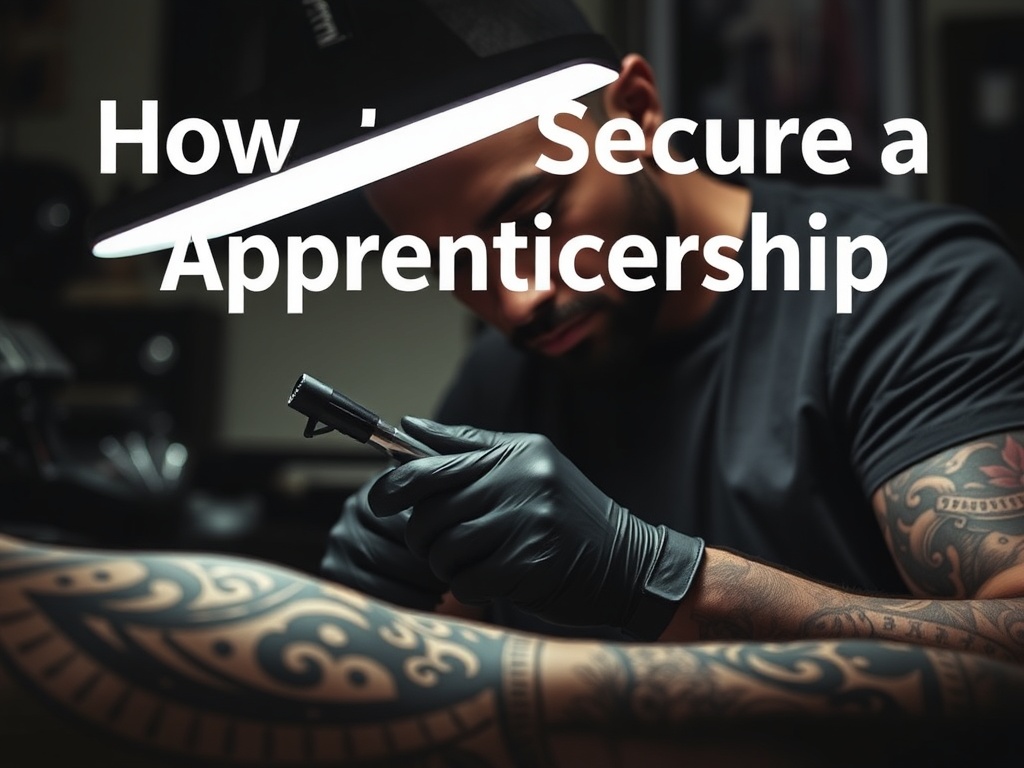
Breaking into the world of professional tattooing is both exciting and challenging. The most respected and safe way to learn the craft is through a tattoo apprenticeship. In this comprehensive, expert guide, you’ll discover how to find, apply for, and thrive in a tattoo apprenticeship—setting you on the path to a rewarding creative career.
Table of Contents
- Why Tattoo Apprenticeships Matter
- What You Need Before You Start
- Step 1: Researching the Right Tattoo Shops
- Step 2: Preparing Your Art Portfolio
- Step 3: Networking and Approaching Artists
- Step 4: The Tattoo Apprenticeship Application Process
- Step 5: Acing the Interview
- Step 6: Securing and Succeeding in Your Apprenticeship
- Common Mistakes to Avoid
- Real Stories: Tattoo Apprenticeship Case Studies
- Actionable Takeaways
- Further Reading & Internal Resources
Why Tattoo Apprenticeships Matter
A tattoo apprenticeship is the gold standard for learning the art and safety of tattooing. It’s a structured, guided experience under a seasoned artist, where you’ll master not only technique but also hygiene, equipment care, customer service, and professional ethics.
Key Benefits:
- Hands-on learning with real clients (under supervision)
- Comprehensive understanding of health and safety regulations
- Industry credibility and networking opportunities
Without an apprenticeship, you risk missing out on crucial knowledge, legal requirements, and respect within the tattoo community.
What You Need Before You Start
Before seeking an apprenticeship, prepare yourself by developing essential skills, knowledge, and attitude:
- Artistic Ability: Solid drawing skills, with a portfolio showcasing a range of styles.
- Understanding of Tattoo Culture: Research tattoo history, styles, and current trends.
- Professionalism: Reliability, eagerness to learn, and respect for shop protocols.
- Health & Safety Awareness: Basic knowledge of hygiene standards and bloodborne pathogens.
Tip: Consider taking art classes, and get certified in bloodborne pathogens safety (often required in many regions).
Step 1: Researching the Right Tattoo Shops
Not all tattoo shops are equal. Finding the right environment is crucial for your growth. Here’s how to research:
- Identify respected shops: Look for clean, reputable studios with experienced artists.
- Check portfolios: Review the artists’ work online and in person to ensure their style aligns with your interests.
- Read reviews: Google, Yelp, and social media can reveal shop reputation and client satisfaction.
- Visit in person: Observe cleanliness, professionalism, and shop culture before applying.
Example: Alex researched five local shops, visited each, and chose one with high hygiene standards and artists whose work matched his preferred style.
Step 2: Preparing Your Art Portfolio
Your portfolio is your ticket to an apprenticeship. Make it count:
- Quality over quantity: Include 15–30 of your best pieces, focusing on line work, shading, color, and composition.
- Diversity: Show a variety of subjects (portraits, animals, traditional, neo-traditional, etc.).
- Originality: Avoid copying others’ tattoos; showcase your unique style and ideas.
- Professional presentation: Use a clean portfolio book or a well-organized digital file. Label artwork and dates.
Case Study: Mia created a portfolio with life drawings, digital art, and flash sheets. She also included sketches showing her creative process, impressing her future mentor with her versatility.
Step 3: Networking and Approaching Artists
Building relationships is vital. Here’s how to stand out:
- Attend conventions and art shows: Meet artists, watch them work, and ask questions.
- Engage on social media: Follow shops and artists, interact genuinely with their content.
- Support the shop: Get tattooed by artists you admire before inquiring about apprenticeships.
- Respect their time: Ask politely if they offer apprenticeships—never interrupt clients or busy periods.
Tip: A simple message like, “I admire your work and would love to learn from you. Do you offer apprenticeships?” can open doors.
Step 4: The Tattoo Apprenticeship Application Process
Ready to apply? Here’s how to do it right:
- Prepare a cover letter: Briefly introduce yourself, explain why you want to apprentice, and why you chose their shop.
- Include your portfolio: Present your best work, either in person or via a private digital link.
- Resume: Highlight relevant art education, customer service experience, and certifications (e.g., bloodborne pathogens).
- Follow up: If you don’t receive a response within a week, send a polite follow-up message.
Example: Jordan sent a personalized email to each shop, tailoring his cover letter and portfolio to their style. He received two interviews and one apprenticeship offer.
Step 5: Acing the Interview
If you’re invited to interview, congratulations! Here’s how to impress:
- Dress appropriately: Clean, professional, and comfortable.
- Bring your portfolio: Be ready to explain your work, influences, and creative process.
- Show willingness to learn: Express humility, curiosity, and a strong work ethic.
- Ask questions: Inquire about their expectations, training process, and what past apprentices have achieved.
- Be honest: If you lack experience, focus on your enthusiasm and dedication to learn.
Tip: Prepare answers to common questions like, “Why do you want to be a tattoo artist?” and “What styles inspire you?”
Step 6: Securing and Succeeding in Your Apprenticeship
Once accepted, your journey begins. Here’s how to make the most of your apprenticeship:
- Embrace the grind: Be prepared for hard work, including cleaning, setup, and assisting—these are essential learning steps.
- Practice, practice, practice: Draw daily, work on fake skin, and absorb feedback.
- Respect your mentor: Listen more than you speak, follow shop rules, and show gratitude.
- Stay professional: Arrive on time, maintain a positive attitude, and treat clients with respect.
- Document your progress: Keep a record of your learning, artwork, and feedback received.
Case Study: Sam started by cleaning and helping with appointments. By month three, he was shadowing tattoo sessions and, later, practicing tattoos on synthetic skin before moving to supervised live sessions.
Common Mistakes to Avoid
- Applying with an incomplete or weak portfolio
- Disrespecting shop staff or clients
- Expecting to tattoo clients too soon
- Learning to tattoo without an apprenticeship (known as „scratching“—widely discouraged and often illegal)
- Ignoring health and safety protocols
Avoid these pitfalls to gain respect and maximize your learning.
Real Stories: Tattoo Apprenticeship Case Studies
Case Study 1: Jamie’s Journey
Jamie, a self-taught artist, spent months building a diverse portfolio and getting to know local artists. After several rejections, she secured an apprenticeship at a busy urban shop—her persistence and humility paid off. Today, she’s a full-time artist specializing in geometric designs.
Case Study 2: Luis’ Leap
After college, Luis volunteered at art events and took a part-time job at a tattoo studio’s front desk. His dedication and willingness to help led to a recommendation for an apprenticeship with the shop’s lead artist.
Actionable Takeaways
- Start building your art skills and portfolio early.
- Research shops carefully to find a good cultural and artistic fit.
- Network authentically—support and engage with artists you admire.
- Prepare a strong, professional application and follow up courteously.
- Embrace all aspects of the apprenticeship, from menial tasks to creative challenges.
- Stay patient, humble, and eager to learn.
Further Reading & Internal Resources
- How to Become a Tattoo Artist: Full Career Guide
- How to Build a Tattoo Portfolio that Gets Noticed
- Tattoo Apprenticeship: Frequently Asked Questions
- Why Bloodborne Pathogens Certification is Essential for Tattoo Artists
Finding and securing a tattoo apprenticeship is a demanding but deeply rewarding process. With preparation, persistence, and passion, you can launch a successful career in tattooing—learning from the best and joining a vibrant, creative community.