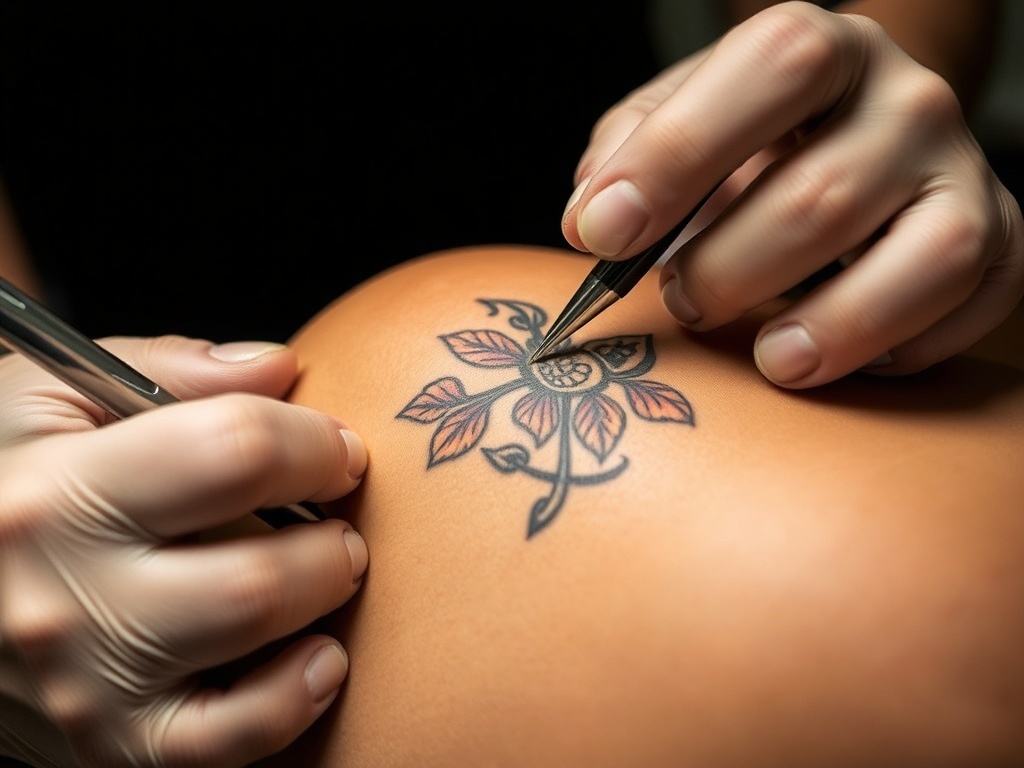
Proper aftercare is crucial to ensure that tattoos heal beautifully, preserve their vibrancy, and minimize the risk of complications. As an artist or studio, providing clients with expert, easy-to-follow tattoo aftercare instructions is a key part of your service. This comprehensive guide covers every step of the tattoo healing process, offers practical examples, and includes actionable takeaways you can share with your clients.
Table of Contents
- Why Tattoo Aftercare Matters
- Immediate Post-Tattoo Care (First 24 Hours)
- The Tattoo Healing Process: What to Expect
- Aftercare Instructions: Step-by-Step
- Common Mistakes and How to Avoid Them
- Case Studies: Real-World Client Examples
- Answering Your Clients’ Most Common Questions
- Related Resources
- Actionable Takeaways
Why Tattoo Aftercare Matters
Aftercare is not just about healing—it’s about protecting your client’s investment and your reputation as an artist. Improper aftercare can lead to:
- Infection and scarring
- Premature fading or distortion of the tattoo
- Loss of detail, vibrancy, or sharpness
By guiding your clients with clear aftercare protocols, you help ensure their new tattoo heals well and looks its best for years to come.
Immediate Post-Tattoo Care (First 24 Hours)
Right after a tattoo session, the skin is essentially an open wound. Here’s what clients should do:
- Leave the bandage on: Keep the initial bandage or wrap on for 2–4 hours (or as recommended by your artist).
- Wash hands before touching: Always wash hands thoroughly before caring for the new tattoo.
- First wash: Gently remove the bandage and wash the area with lukewarm water and a mild, fragrance-free soap.
- Pat dry: Use a clean paper towel to pat dry—do not rub.
- Apply ointment: Use a thin layer of a recommended tattoo aftercare ointment (avoid petroleum-based products unless specifically advised).
Pro Tip: Provide clients with a printed or digital aftercare sheet to reinforce these steps.
The Tattoo Healing Process: What to Expect
Understanding the phases of healing helps clients know what’s normal and when to seek help:
- Days 1–3: Oozing and Redness
It’s normal for the tattoo to ooze plasma, ink, and blood. Swelling and redness are typical. - Days 4–14: Peeling and Itching
The tattoo will scab and peel like a sunburn. Itching is common, but scratching can damage the design. - Days 15–30: Settling and Dullness
The tattoo may look cloudy or dull as new skin forms. Moisturizing is key. - After 1 Month: Healed Tattoo
Color and clarity return, but deeper healing continues for several months.
Note: Healing times vary based on placement, size, and individual client factors.
Aftercare Instructions: Step-by-Step
1. Washing and Cleaning
- Wash tattoo 2–3 times daily with mild, fragrance-free soap.
- Rinse gently—do not soak the tattoo in baths, hot tubs, or pools.
2. Moisturizing
- Apply a thin layer of fragrance-free, alcohol-free aftercare lotion or ointment after each wash.
- Avoid over-moisturizing, which can suffocate the tattoo and delay healing.
3. Clothing and Exposure
- Avoid tight clothing that may rub or irritate the new tattoo.
- Keep the tattoo out of direct sunlight and avoid tanning beds until fully healed.
4. Activities to Avoid
- No swimming (pools, lakes, oceans) until the tattoo is fully healed.
- Avoid heavy sweating and exercise that may stretch skin or cause friction over the tattooed area.
5. Don’t Pick or Scratch
- Let scabs and flakes fall off naturally; picking can cause scarring and color loss.
6. Long-Term Care
- Use sunscreen (SPF 30+) on healed tattoos to prevent fading.
- Continue to moisturize regularly to keep skin and ink vibrant.
Common Mistakes and How to Avoid Them
- Over-moisturizing: Leads to clogged pores and slow healing.
- Using harsh soaps or alcohol-based products: Irritates the skin and can damage the tattoo.
- Submerging tattoos too soon: Increases infection risk.
- Direct sun exposure: Causes fading and irritation.
Educate clients about these pitfalls and provide product recommendations when possible.
Case Studies: Real-World Client Examples
Case Study 1: Proactive Aftercare Success
Sarah followed her artist’s aftercare instructions precisely, washing and moisturizing her tattoo daily and avoiding sun exposure. Her tattoo healed in three weeks with minimal scabbing, retaining vibrant color and sharp lines.
Case Study 2: Ignoring Aftercare Guidelines
Jake resumed swimming a week after his tattoo session and used a scented lotion. His tattoo developed an infection, leading to scarring and fading. He required a touch-up and learned the importance of following aftercare protocols.
Case Study 3: Sensitive Skin Challenges
Maria experienced redness and irritation after using a popular aftercare ointment. After switching to a hypoallergenic product on her artist’s advice, her skin calmed and healed properly. This underscores the importance of personalized recommendations.
Answering Your Clients’ Most Common Questions
- “Is it normal for my tattoo to itch?” Yes. Itching is part of the healing process. Do not scratch; pat gently if needed.
- “What should I do if my tattoo gets infected?” Advise clients to contact their healthcare provider if they notice swelling, pus, or fever.
- “Can I workout after getting a tattoo?” Light exercise is okay, but avoid activities that stretch or sweat excessively over the tattooed area until healed.
For more answers, see our Tattoo FAQ.
Related Resources
- Tattoo Healing Timeline: What to Expect
- Best Tattoo Aftercare Products
- Pre-Tattoo Care Checklist
- How to Choose a Tattoo Artist
Actionable Takeaways
- Provide each client with clear, customized aftercare instructions.
- Explain the tattoo healing process so clients know what to expect.
- Recommend trusted, fragrance-free aftercare products.
- Encourage clients to contact you with any concerns, especially signs of infection.
- Follow up after one week to check in on the healing process.
By empowering your clients with expert aftercare guidance, you help them achieve the best possible results—and build your reputation as a skilled, caring artist. For more in-depth advice, explore our Ultimate Tattoo Aftercare Guide.