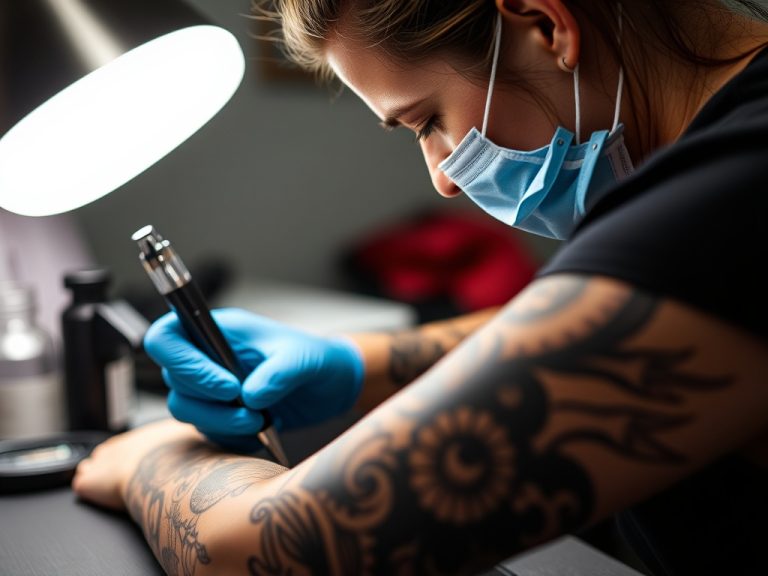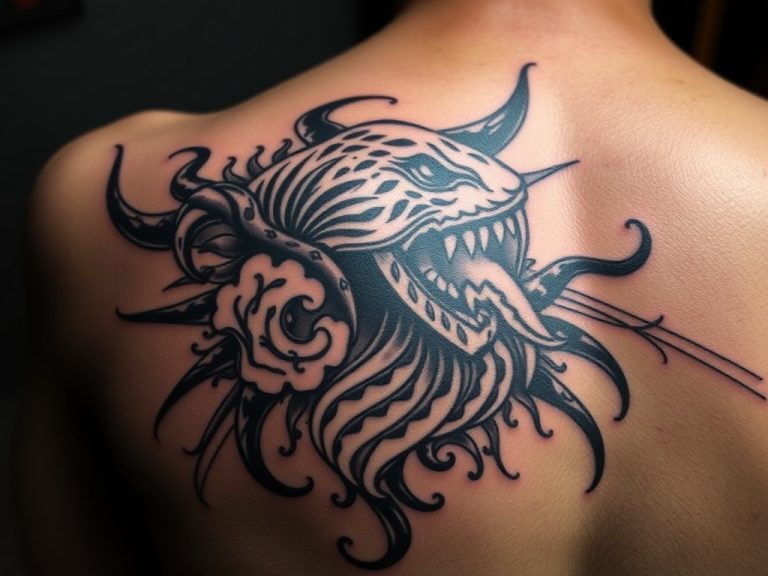
Getting a new tattoo is an exciting experience, but what you do after your session is just as crucial as the design itself. Proper tattoo aftercare ensures fast healing, prevents infection, and keeps your artwork vivid for years to come. Whether you’re a client or a tattoo artist, understanding the healing process and best care practices is essential for achieving outstanding results.
Why Tattoo Aftercare Matters
When you get a tattoo, the skin is essentially an open wound. Without the right care, you risk infection, scarring, or fading. Following expert tattoo aftercare protocols dramatically improves both the healing process and the longevity of your tattoo’s color and detail.
Understanding the Tattoo Healing Stages
The healing process is divided into several distinct stages. Recognizing these phases helps you know what to expect and how to respond at each step:
- Days 1-3: Initial Healing – The tattoo is fresh, red, swollen, and may ooze clear plasma or a little ink.
- Days 4-14: Peeling and Itching – The tattoo scabs lightly and begins to flake, often feeling dry and itchy.
- Days 15-30: Surface Healing – Most scabs have fallen off, and the skin looks mostly healed but may feel tight or shiny.
- After 1 Month: Deeper Healing – Underlying skin layers continue to repair and strengthen, even after the surface appears normal.
Case Study: Healing Timeline in Real Life
Sarah, a first-time tattoo client, followed her artist’s aftercare instructions closely. She avoided picking at scabs, used fragrance-free moisturizer, and kept her tattoo out of the sun. By week three, her tattoo looked vibrant, and she experienced minimal itching and discomfort. Her artist noted that her color retention was excellent at the one-month check-in.
Step-by-Step Tattoo Aftercare Protocol
Different artists may have slight variations, but these expert-recommended steps form the backbone of effective tattoo aftercare:
1. The First 24 Hours
- Leave the initial bandage on for 2-4 hours (or as advised).
- Wash your hands thoroughly before touching your tattoo.
- Gently remove the bandage and wash the tattoo with lukewarm water and mild, fragrance-free soap.
- Pat dry with a clean paper towel or allow to air dry.
- Apply a thin layer of recommended ointment (like Aquaphor or a tattoo-specific balm).
2. Days 2-7: Gentle Care and Moisturizing
- Wash your tattoo twice daily with gentle soap and lukewarm water.
- Avoid soaking in water: no swimming, hot tubs, or baths.
- Apply a thin layer of fragrance-free moisturizer or ointment as needed, but do not over-moisturize.
3. Days 8-14: Flaking and Itching
- Continue gentle washing and moisturizing.
- Do not pick, scratch, or peel any scabs or flakes.
- Wear loose, clean clothing to avoid rubbing.
4. Weeks 2-4: Protecting Your Investment
- Keep moisturizing the tattoo regularly.
- Protect from sun exposure (no tanning beds or direct sun).
- After the tattoo is fully healed, always use a high-SPF sunscreen to preserve color.
Tattoo Aftercare Tips for Vibrant, Long-Lasting Color
- Avoid direct sunlight during healing. UV rays break down ink and fade colors quickly.
- Say no to swimming in pools, lakes, or hot tubs until fully healed to prevent infection.
- Hydrate your skin from the inside out—drink plenty of water.
- Wear loose clothing over your tattoo to prevent irritation.
- Follow your artist’s specific advice—each tattoo and skin type is unique.
Common Tattoo Healing Problems and Solutions
Most tattoos heal without issues, but sometimes complications arise. Here’s how to handle common concerns:
Excessive Redness or Swelling
Some redness and swelling are normal, but if it worsens after a few days or is accompanied by severe pain, consult a healthcare professional.
Itching and Peeling
Resist the urge to scratch. Apply a fragrance-free moisturizer. For severe itching, try a cool compress (not ice).
Scabbing and Flaking
Let scabs fall off naturally. Picking can cause scars or color loss.
Signs of Infection
- Pus, foul odor, spreading redness, or fever.
- Contact a doctor immediately if you suspect infection.
Case Study: Troubleshooting a Healing Tattoo
Mike noticed his tattoo became increasingly red and swollen after five days. He contacted his tattoo artist, who recommended seeing a doctor. Mike was prescribed antibiotics for a mild infection. Thanks to early intervention, he healed well and retained most of his tattoo’s vibrancy.
Advanced Tattoo Aftercare: Special Circumstances
Large or Color-Saturated Tattoos
These tattoos may require extra moisture and longer healing times. Avoid strenuous exercise that could cause excessive sweating or stretching of the tattooed area during the first week.
Hand, Foot, and Joint Tattoos
Areas that move frequently often have longer healing times, and aftercare must be especially diligent to prevent cracking or fading.
Allergic Reactions
If you notice persistent rash, itching, or swelling, consult your artist and a healthcare provider. Some inks or aftercare products can cause allergic reactions.
Actionable Takeaways for Tattoo Aftercare
- Always follow your artist’s aftercare instructions for the best results.
- Keep your tattoo clean and moisturized with fragrance-free products.
- Avoid direct sunlight and soaking your tattoo until it’s fully healed.
- Seek medical advice if you notice signs of infection or allergic reaction.
- Protect your healed tattoo with sunscreen to ensure lasting color.
For Tattoo Artists: Educating Your Clients
Providing clear aftercare instructions is part of delivering excellent customer service. Consider giving clients a printed or digital aftercare guide and check in during the healing process. For more in-depth guides, see our article on creating tattoo aftercare instructions for your studio.
Internal Resources and Further Reading
- Tattoo Healing Stages: What to Expect Week by Week
- Best Tattoo Care Products for Every Skin Type
- How to Prevent Tattoo Fading
Conclusion
Proper tattoo aftercare is the key to fast healing and lasting color. By understanding each healing stage, following expert care tips, and knowing how to troubleshoot problems, you’ll keep your tattoo looking its best for years to come. Both clients and artists benefit from a proactive, knowledgeable approach to tattoo care.