Whether you’re new to tattooing or an experienced artist, choosing the best tattoo machine is essential for success. With a wide variety of machines on the market, making the right decision can feel overwhelming. In this comprehensive guide, we’ll break down everything you need to know—from machine types and features to key buying considerations, comparisons, and expert recommendations for both beginners and professionals.
Table of Contents
- Tattoo Machine Types Explained
- Key Features to Consider
- Pros & Cons of Each Tattoo Machine Type
- Tattoo Machine Comparison Table
- Top Tattoo Machines for Beginners & Pros
- Case Studies: Real-World Tattoo Artists‘ Choices
- Actionable Buying Tips
- Frequently Asked Questions
- Conclusion & Next Steps
1. Tattoo Machine Types Explained
The first step in your tattoo machine comparison journey is understanding the main types available. Each offers unique benefits for different skill levels and styles:
- Coil Tattoo Machines: The traditional choice, known for their distinctive buzzing sound and adjustability. Ideal for lining and shading.
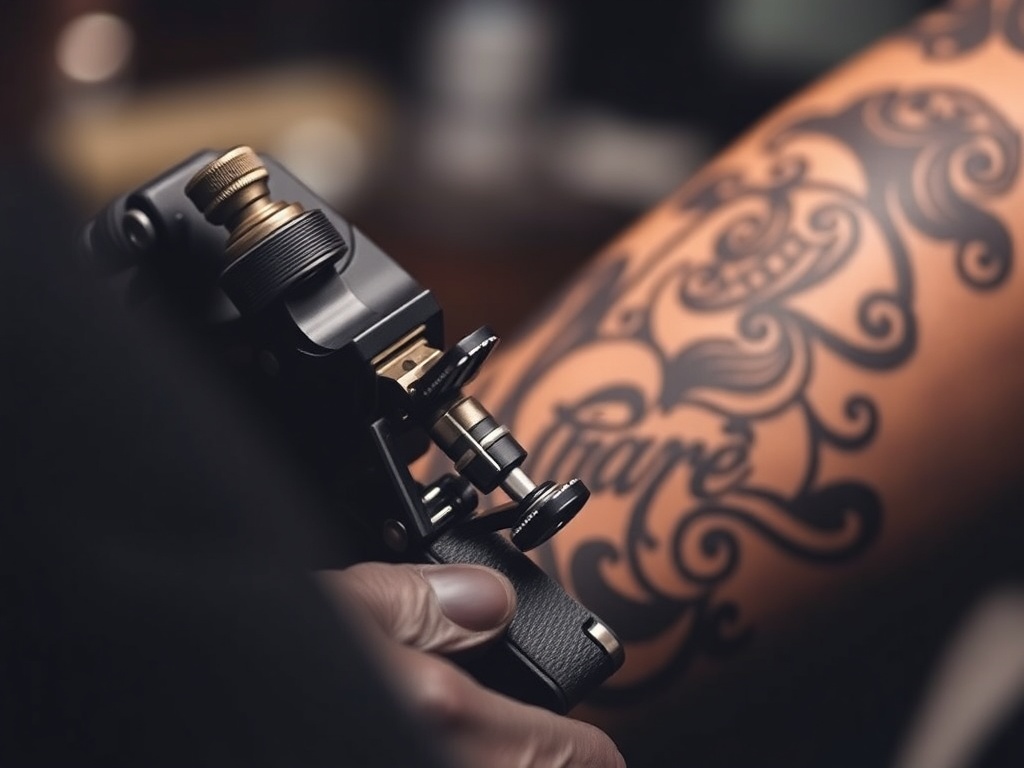
- Rotary Tattoo Machines: Utilize a rotating motor for quiet, smooth operation. Excellent for versatility and ease of use, making them popular among beginners.
- Pneumatic Tattoo Machines: Powered by compressed air, these are lightweight and easy to sterilize, though less commonly used.
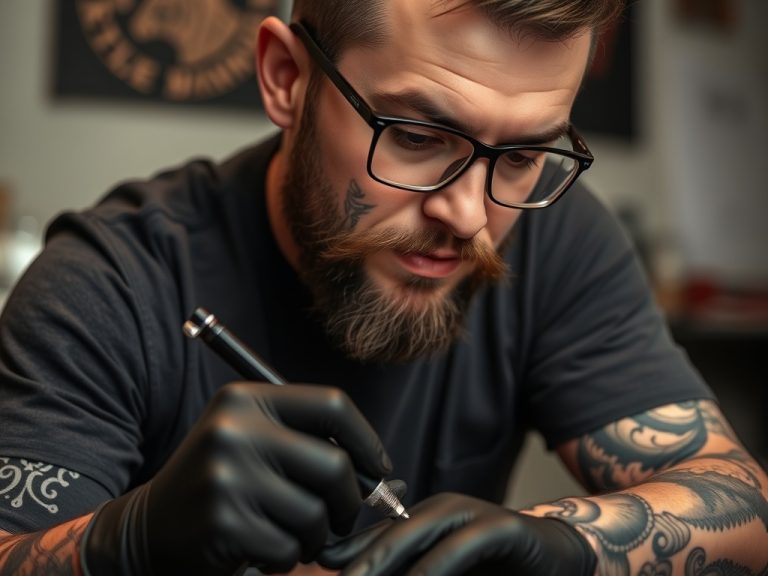
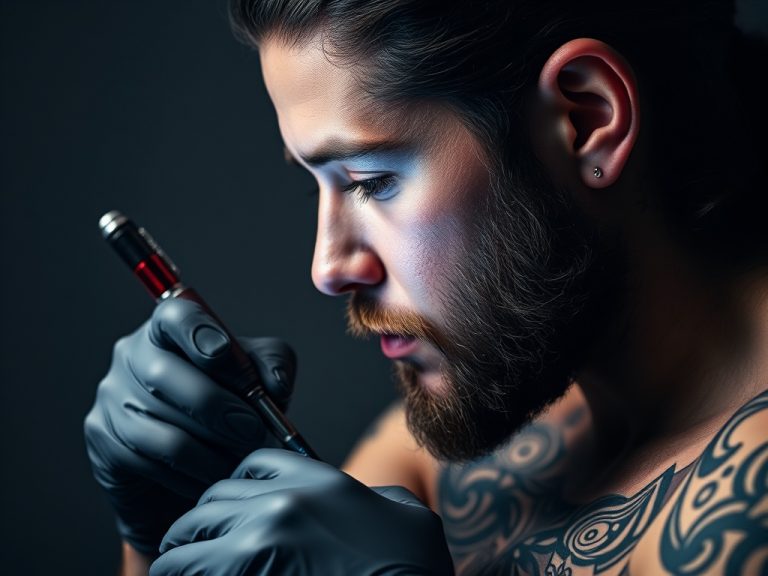
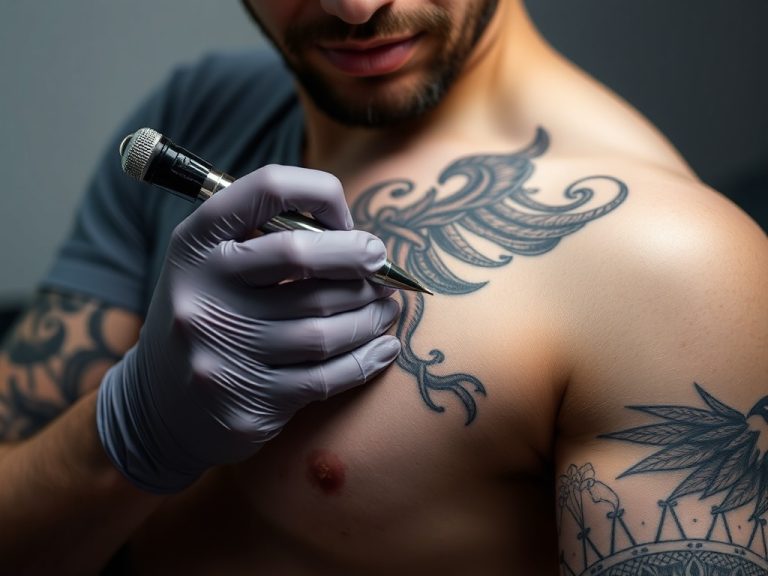
- Pen-Style Machines: Mimic the feel of a pen, offering ergonomic comfort and precision. Growing in popularity for both new and established artists.
When to Choose Each Type
- Beginners: Typically benefit from rotary or pen-style machines for their simplicity and low maintenance.
- Professionals: Often prefer coil machines for their customizability, or pen-style for advanced techniques and comfort.
2. Key Features to Consider
Regardless of experience, look for these features when shopping for the best tattoo machine:
- Weight & Ergonomics: Comfort is crucial during long sessions. Lightweight, balanced machines reduce fatigue.
- Material & Build Quality: Aluminum and stainless steel are durable, easy to clean, and resist corrosion.
- Adjustability: Look for machines with adjustable stroke lengths and voltage settings for versatility.
- Compatibility: Ensure the machine works with standard needles, cartridges, and power supplies.
- Maintenance Requirements: Rotary and pen machines are generally easier to maintain than coils.
3. Pros & Cons of Each Tattoo Machine Type
| Type | Pros | Cons |
|---|---|---|
| Coil | Great for custom work, affordable, widely available parts | Heavy, louder, steeper learning curve |
| Rotary | Quiet, lightweight, easy to use and maintain | Less customizable, can be pricier |
| Pneumatic | Lightweight, easy to sterilize | Requires air compressor, less common |
| Pen-Style | Ergonomic, precise, good for fine detail | Can be expensive, less traditional feel |
4. Tattoo Machine Comparison Table
Here’s a quick overview of how the major types stack up for beginners and pros:
| Machine Type | Best For | Skill Level | Price Range | Maintenance |
|---|---|---|---|---|
| Coil | Lining, Shading, Traditional Work | Intermediate-Professional | $$ | Moderate |
| Rotary | All Styles, Versatility | Beginner-Professional | $$$ | Low |
| Pneumatic | Sterile Environments | Professional | $$$$ | Low |
| Pen-Style | Detail, Comfort, Long Sessions | Beginner-Professional | $$$-$$$$ | Low |
5. Top Tattoo Machines for Beginners & Pros
Here are some standout models for each category, based on expert reviews and artist feedback:
For Beginners
- Dragonhawk Mast Pen: Affordable, easy to use, compatible with most cartridges. Great for learning basic lining and shading.
- Stigma Rotary Tattoo Kit: Complete kit with rotary machine, power supply, and practice skin. Perfect for apprentices and hobbyists.
For Professionals
- Cheyenne Hawk Pen: Premium pen-style machine, favored for its precision and comfort. Ideal for fine detail and long sessions.
- Bishop Rotary Wand: Highly versatile, powerful motor, used by top artists worldwide. Excellent for both lining and shading.
- FK Irons Spektra Xion: Robust build, adjustable stroke, ergonomic grip. Suited for advanced, varied techniques.
6. Case Studies: Real-World Tattoo Artists‘ Choices
Let’s look at how actual artists select their machines:
Case Study #1: Transitioning from Hobbyist to Pro
„I started with a Dragonhawk rotary pen because it was affordable and easy to handle. As my skills grew, I upgraded to the Cheyenne Hawk Pen, which gave me better control for detailed work and longer sessions without fatigue.“ — Jess, Tattoo Artist (3 years experience)
Case Study #2: Balancing Tradition and Innovation
„I’ve always loved the classic feel of coil machines for lining, but I recently began using a Bishop Rotary Wand for color packing and shading. The versatility has improved my workflow and client satisfaction.“ — Luis, Tattoo Studio Owner (10 years experience)
7. Actionable Buying Tips
- Test Before You Buy: If possible, try out different machines at conventions or in-store to find the best fit for your hand and style.
- Start Simple: Beginners should opt for reliable, easy-to-use rotary or pen machines before experimenting with coils.
- Invest in Quality: A well-built machine lasts longer and delivers better results. Avoid cheap knockoffs.
- Consider After-Sales Support: Choose brands with good warranties and customer service.
- Expand as You Grow: As your skills develop, add specialized machines to your toolkit for lining, shading, and color work.
For more tips on choosing tattoo supplies or understanding tattoo needle types, check out our related guides.
8. Frequently Asked Questions
- Q: What’s the best tattoo machine for beginners?
A: Rotary or pen-style machines are ideal for beginners due to their ease of use and low maintenance needs. - Q: How much should I spend on my first tattoo machine?
A: Expect to spend $100-$300 for a reliable entry-level machine. Quality matters more than price for your first investment. - Q: Can I use one machine for both lining and shading?
A: Some machines are versatile enough for both, especially rotary and pen models with adjustable settings. - Q: How do I maintain my tattoo machine?
A: Clean and sterilize after every use, check for wear, and follow manufacturer guidelines for lubrication and parts replacement.
9. Conclusion & Next Steps
Finding the best tattoo machine means considering your skill level, preferred tattoo style, and comfort. Beginners should prioritize user-friendly, versatile machines, while pros may want specialized tools for precision and performance. Always compare models, read reviews, and invest in quality equipment that matches your growth as an artist.
Ready to take the next step? Visit our Ultimate Tattoo Machine Guide for deeper insights, or explore our Tattoo Training Resources to level up your skills and confidence.
Actionable Takeaway: Make a shortlist of machines that fit your needs, test them if possible, and always prioritize comfort, quality, and reputable brands.