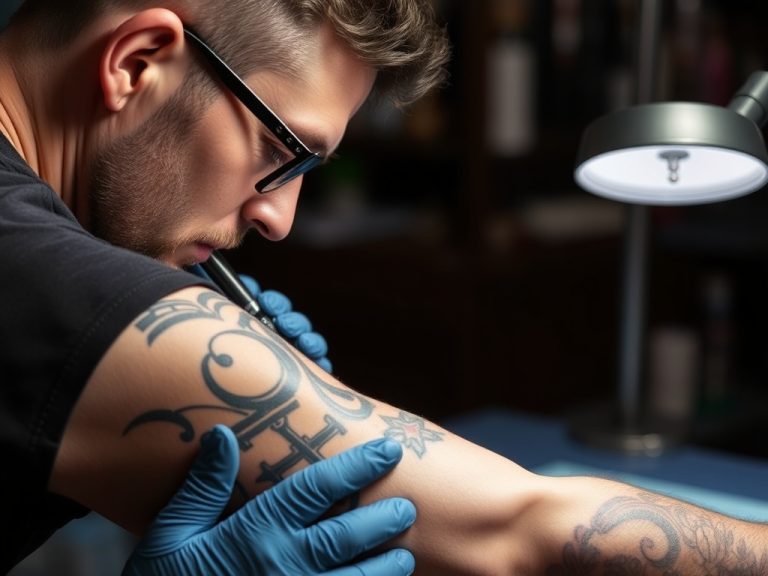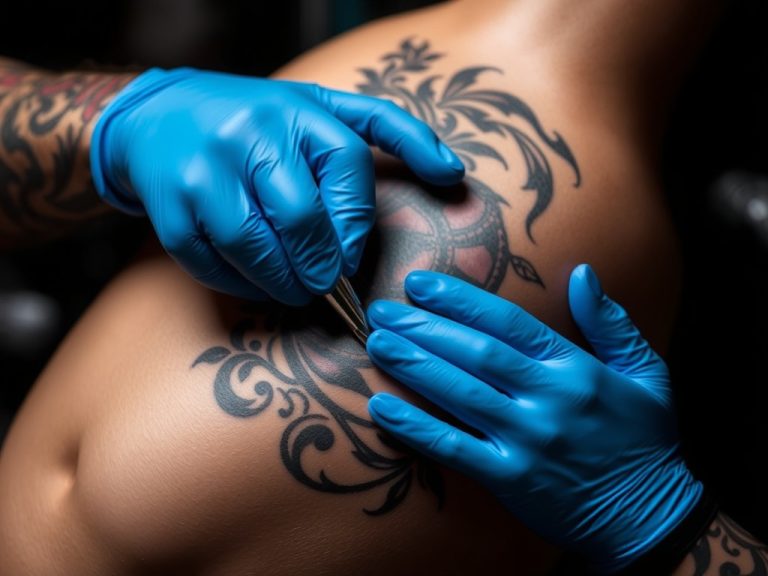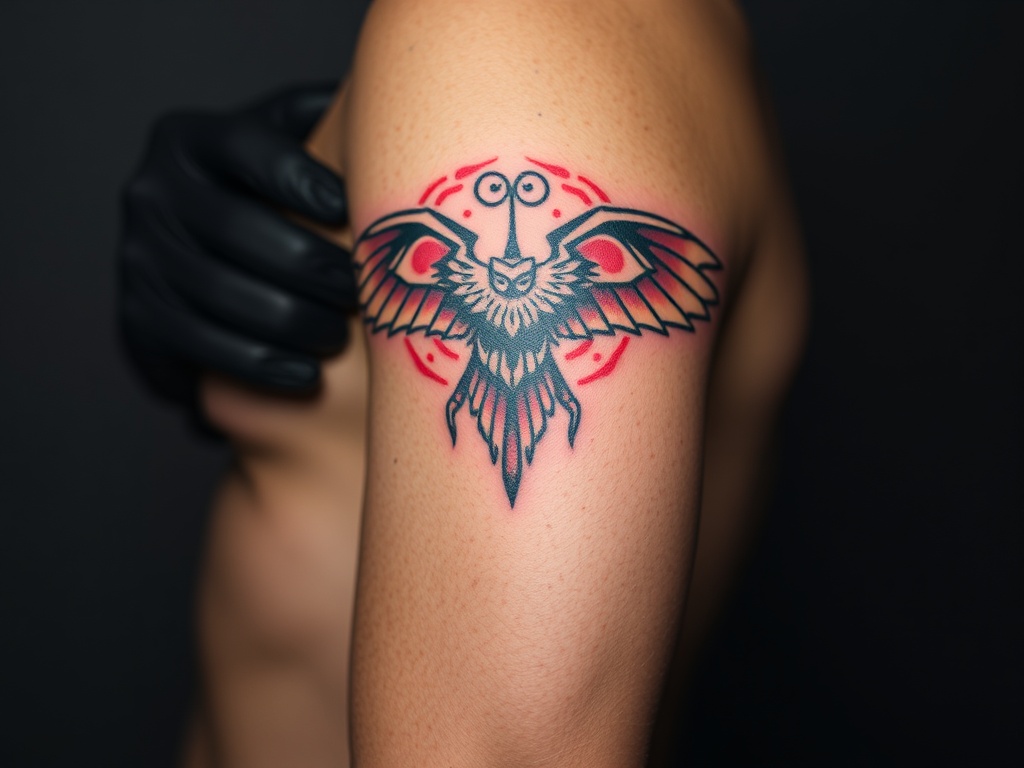
Tattoo ink is the lifeblood of every tattoo, influencing not only how your art looks today, but how it will age for years to come. Navigating the world of tattoo ink—choosing brands, building color palettes, mixing shades, and ensuring safety—requires both creativity and expertise. In this in-depth tattoo ink guide, we’ll explore the best tattoo ink brands, demystify color theory and mixing, and break down the latest safety practices. Whether you’re a seasoned tattoo artist or a curious client, this guide aims to empower your ink journey with expert knowledge and actionable insights.
Table of Contents
- Top Tattoo Ink Brands: Quality and Reputation
- Color Palettes: Building the Perfect Spectrum
- Mixing Tattoo Ink: Techniques and Tips
- Tattoo Ink Safety: Best Practices
- Case Studies: Real-World Ink Choices
- Actionable Takeaways
Top Tattoo Ink Brands: Quality and Reputation
Choosing the best tattoo ink is crucial for creating vibrant, long-lasting tattoos. Here’s a review of industry-leading brands, each known for quality, safety, and innovation:
- Eternal Ink: Renowned for its consistent, vegan-friendly pigments and a massive range of colors. Eternal is often favored for its reliability and true-to-bottle hues.
- Intenze: A pioneer in ink safety and innovation, Intenze offers both bold colors and subtle shades, with a strong reputation for stability and minimal fading.
- Dynamic Color: Best known for ultra-black tattoo ink, Dynamic is trusted for bold outlines and solid color saturation.
- World Famous Ink: A global favorite, this brand emphasizes sterilization, cruelty-free practices, and rich, lasting colors.
- Fusion Ink: Developed by artists for artists, Fusion is praised for its vibrant palette and ease of mixing.
When researching best tattoo ink, look for brands with transparent ingredient lists, sterilization processes, and positive feedback from professional artists. Explore our Tattoo Equipment Guide for more on essential supplies.
Brand Comparison Table
| Brand | Key Features | Vegan-Friendly? | Standout Colors |
|---|---|---|---|
| Eternal Ink | Vibrant, consistent, large palette | Yes | True Blue, Light Red |
| Intenze | Innovative, safe, stable colors | Yes | Zuper Black, Snow White |
| Dynamic Color | Bold blacks, saturation | Yes | Black, Triple Black |
| World Famous Ink | Sterilized, global palette | Yes | Royal Blue, Primary Colors |
| Fusion Ink | Easy mixing, vibrant | Yes | Power Green, Lightning Yellow |
Color Palettes: Building the Perfect Spectrum
Mastering tattoo color is both art and science. A well-built color palette is essential for expressive designs, smooth gradients, and realistic effects. Here’s how to curate your tattoo ink color collection:
Understanding Tattoo Ink Color Theory
- Primary Colors: Red, yellow, and blue are the foundation. Mixing these yields secondary and tertiary hues.
- Warm vs. Cool Tones: Warm colors (reds, oranges, yellows) evoke energy. Cool tones (blues, greens, purples) create calm or depth.
- Saturation and Opacity: Highly saturated inks pop on the skin, while more transparent shades are ideal for layering and shading.
Building a Versatile Tattoo Ink Palette
Start with a balanced set of primaries, black, and white. Expand with muted tones, pastels, and skin tones as your style develops. For realism, invest in a range of browns, olives, and off-whites. For neo-traditional or illustrative work, prioritize bold, saturated hues.
Practical Example: Color Palette for a Realistic Portrait
- Core colors: Various browns, ochres, reds, and muted blues
- Highlight: White ink for luminosity
- Shadow: Deep blue-black and olive greens for dimension
See our Tattoo Color Theory explainer for more on choosing and combining shades.
Mixing Tattoo Ink: Techniques and Tips
Mixing tattoo ink is where creativity meets chemistry. While most artists work with pre-mixed colors, knowing how to blend inks unlocks infinite possibilities.
Safe Ink Mixing Techniques
- Use Sterile Equipment: Always mix inks in new, single-use caps. Never mix directly in bottles.
- Test Small Batches: Mix only what you need for a session to avoid contamination and waste.
- Document Your Mixes: Keep a mixing log with ratios for future reference and color consistency.
Example: Custom Pastel Mix
To create a custom pastel pink, blend a drop of red with several drops of white. Add a tiny amount of blue for a cooler undertone. Always test on synthetic skin before applying to a client.
Advanced Techniques: Layering and Dilution
Some styles, like watercolor or realism, benefit from ink dilution. Use sterile distilled water or brand-specific mixing solutions to achieve smooth fades and soft blends.
Tattoo Ink Safety: Best Practices
Safety is non-negotiable in tattooing. Understanding tattoo ink safety protects artists and clients from health risks and legal issues. Here’s what every professional should know:
Understanding Tattoo Ink Ingredients
- Pigments: Can be organic or inorganic. Some pigments may trigger allergic reactions; always check for known allergens.
- Carriers: Liquids like distilled water, alcohol, or glycerin that keep pigment suspended. Quality carriers reduce contamination risks.
- Additives: Preservatives, stabilizers, or binding agents improve shelf-life and flow.
Regulations and Certifications
Look for tattoo inks that comply with local regulations and international standards, such as:
- EU REACH compliance (Europe)
- FDA-approved ingredients (USA—note: tattoo inks are not FDA approved as finished products)
- Vegan/cruelty-free certifications
Safe Storage and Handling
- Store inks in cool, dark places to prevent degradation.
- Discard inks past their expiration date or if they show signs of separation or contamination.
- Never reuse or „top up“ old ink bottles.
For more on best practices, visit our Tattoo Safety Checklist.
Case Example: Allergic Reaction Prevention
After a client at a major studio developed a rash, the artist traced it to a red ink containing nickel, a common allergen. The studio switched to hypoallergenic, vegan brands and now performs patch tests for sensitive clients, illustrating the importance of ingredient awareness and client communication.
Case Studies: Real-World Ink Choices
Case Study 1: Achieving Vibrancy in Color Sleeves
Studio: Electric Tiger Tattoo, Chicago
Challenge: Maintaining color intensity over large, healed areas
Solution: The artists switched to Fusion and Eternal ink brands for their robust pigment load and ease of blending. After two years, sleeves retained 90% vibrancy, with clients reporting minimal fading.
Case Study 2: Safe Blackwork
Studio: Blackline Studio, Toronto
Challenge: Ensuring deep, lasting blacks for geometric tattoos
Solution: Dynamic Color Triple Black was chosen for its dense pigment. The studio rigorously followed sterile mixing protocols and reported zero adverse reactions after 500+ procedures.
Case Study 3: Custom Colors for Portraits
Artist: Maya Lopez
Challenge: Creating lifelike skin tones for realism tattoos
Solution: Maya custom-mixes tones using Intenze and Eternal, documenting exact ratios. She uses sterile water for dilution, ensuring both safety and consistency for each client.
Actionable Takeaways
- Research and choose tattoo ink brands that prioritize safety, transparency, and color integrity.
- Build a versatile palette based on your style, starting with primaries and expanding as needed.
- Mix inks using sterile tools and document your formulas for repeatable results.
- Stay updated on ink safety regulations and always check for allergen information.
- Communicate openly with clients about ink choices, especially if they have sensitive skin or allergies.
Explore our full Tattoo Ink Safety resource for more expert advice.
Further Reading
Have questions or tips to share about tattoo ink? Join the discussion in our forum or contact our expert team.