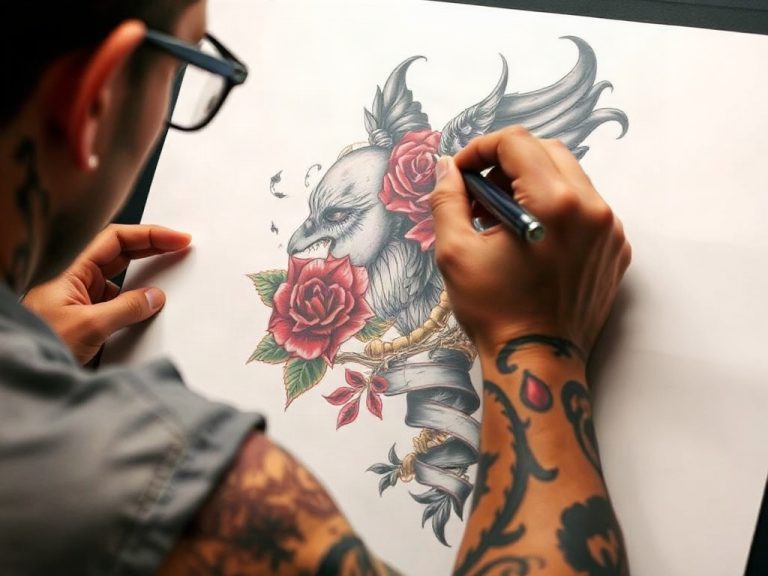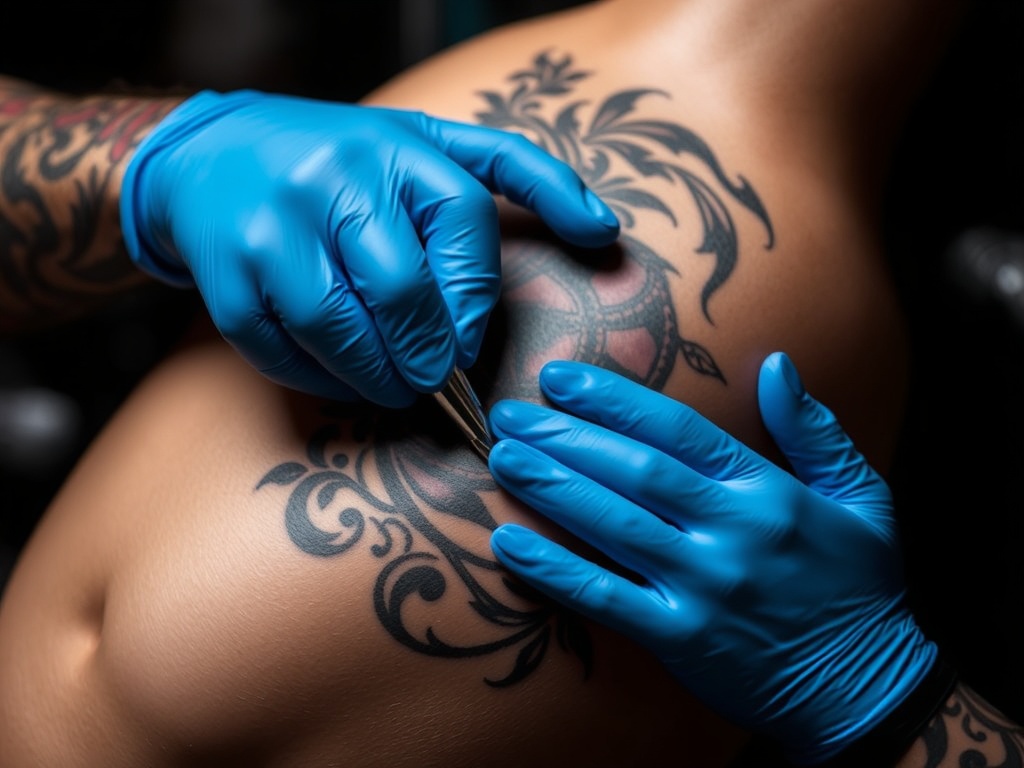
If you’re looking to elevate your tattoo skills or teach aspiring artists, mastering the art of tattooing on synthetic skin is essential. Tattoo practice skin has become the gold standard for safe, realistic training—providing a crucial bridge between paper sketches and real human skin. In this comprehensive guide, we review the best products on the market and provide expert tips for making the most of your practice sessions.
Table of Contents
- Why Use Tattoo Practice Skin?
- Top Tattoo Practice Skins: Expert Reviews
- How to Use Tattoo Practice Skin: Step-by-Step Techniques
- Tips for Realistic Tattoo Practice
- Case Studies: Artist Experiences With Practice Skins
- Common Mistakes and How to Avoid Them
- Actionable Takeaways
- FAQs
Why Use Tattoo Practice Skin?
For both beginners and seasoned professionals, practicing on fake skin bridges the gap between theory and hands-on experience. Unlike fruit or pig skin, quality synthetic skins are designed to mimic human texture and elasticity, allowing for accurate practice with needles, shading, and color packing. Practicing on tattoo practice skin offers:
- Safe environment for learning needle depth and machine handling
- Consistent surface for replicable practice
- Reusable options for cost-effective training
- Easy to display in a tattoo portfolio
Top Tattoo Practice Skins: Expert Reviews
With dozens of brands available, choosing the best tattoo practice skin can be overwhelming. Here are our top picks, tested for realism, durability, and value:
1. ReelSkin Synthetic Tattoo Skin
- Texture: Highly realistic, mimics human skin
- Thickness: 2mm – supports lining, shading, and color packing
- Best For: Professional artists and advanced apprentices
- Pros: Holds ink well, reusable, available in sheets and 3D body parts
- Cons: Premium price
2. A Pound of Flesh
- Texture: Dense, skin-like feel; available in multiple skin tones
- Best For: Displaying finished work, realistic 3D practice (arms, hands, feet)
- Pros: Life-like, perfect for portfolio pieces
- Cons: Can be tough for beginners, higher cost
3. Yuelong Tattoo Practice Skin
- Texture: Smooth, flexible synthetic rubber
- Best For: Beginners, bulk practice sheets
- Pros: Affordable, widely available, easy to use
- Cons: Less realistic feel compared to premium brands
4. ITATOO Silicone Practice Arm
- Texture: 3D, life-sized arm for realistic placement
- Best For: Practicing full sleeve designs, portfolio shots
- Pros: Anatomically correct, reusable
- Cons: Bulky, higher price point
Comparison Table
| Product | Realism | Best For | Price |
|---|---|---|---|
| ReelSkin | ★★★★★ | Advanced Practice | $$$ |
| A Pound of Flesh | ★★★★☆ | Portfolio Display | $$$ |
| Yuelong | ★★★☆☆ | Beginners | $ |
| ITATOO Arm | ★★★★☆ | Full Sleeves | $$$ |
For more on choosing tattoo equipment, see our Best Tattoo Machines guide.
How to Use Tattoo Practice Skin: Step-by-Step Techniques
Using tattoo practice skin effectively means treating it like real skin. Here’s how to get the most out of your practice sessions:
1. Prepare Your Workspace
- Sanitize your area and tools as you would for a live client.
- Secure the practice skin on a flat, stable surface or use a weighted holder for 3D pieces.
2. Transfer Your Design
- Use transfer paper (stencil) and stencil solution to apply your design onto the synthetic skin.
- Let the stencil dry thoroughly before tattooing to prevent smudging.
3. Set Up Your Tattoo Machine
- Choose the right needle groupings for lining, shading, or color packing.
- Adjust machine voltage as you would for a real tattoo—practice at standard skin depth (1-2mm).
4. Tattooing Techniques
- Work in small sections, focusing on consistent line work and even shading.
- Wipe excess ink with a clean, damp paper towel (avoid using isopropyl alcohol, which can damage some synthetic skins).
- Practice different techniques: whip shading, packing, stippling, and gradients.
5. Clean and Store
- Clean the skin with gentle soap and water after finishing.
- Store flat or on a mannequin to avoid warping.
Tips for Realistic Tattoo Practice
- Simulate client movements: Practice on 3D forms or tape skin over curved objects.
- Time your sessions: Mimic real appointment durations to build endurance.
- Work with different skin tones: Some brands offer varied colors to practice contrast and color saturation.
- Document your progress: Photograph your best pieces for your tattoo portfolio.
Case Studies: Artist Experiences With Practice Skins
Case Study 1: From Paper to Portfolio
Artist: Maya R., Apprentice
Challenge: Struggled to control needle depth and ink saturation on oranges.
Solution: Switched to ReelSkin for more realistic feedback. Practiced lining and shading daily for 2 months.
Result: Noticeable improvement in line consistency and color blending. Used finished practice skins to secure her first shop apprenticeship.
Case Study 2: Realism Training for Advanced Artists
Artist: Alex S., Professional Tattooist
Challenge: Wanted to master realistic portraits before taking on live clients.
Solution: Used A Pound of Flesh 3D heads to practice facial features, hair, and subtle gradients.
Result: Built a high-end portfolio, increased client bookings for realism tattoos.
Common Mistakes and How to Avoid Them
- Over-saturating ink: Synthetic skin can’t absorb ink like real skin—go slow and use less ink.
- Incorrect needle depth: Practice adjusting hand pressure and machine voltage for optimal lines.
- Skipping stencil prep: Always let stencils dry fully to prevent blurring.
- Poor aftercare: Store sheets properly to avoid ink transfer and warping.
Actionable Takeaways
- Invest in high-quality tattoo practice skin for the most realistic results.
- Practice full tattoo sessions, from setup to breakdown, to build professional habits.
- Experiment with different brands and thicknesses to find your preferred feel.
- Use completed skins to build or enhance your tattoo portfolio.
- Regularly review your work and seek feedback from experienced artists.
FAQs
- Can I reuse tattoo practice skin?
- Most high-quality practice skins can be reused by tattooing on the reverse side or cleaning with gentle soap. However, overuse can degrade the surface.
- Do I need to use real tattoo ink on practice skin?
- For the best practice, use the same ink you would on real clients. Some artists use colored water for needle practice, but it won’t give realistic results.
- Is practice skin necessary for beginners?
- Absolutely. It offers a safe, consistent surface to build basic skills before tattooing on real people.
For more tattoo training resources and beginner guides, visit our Tattoo Training Hub.