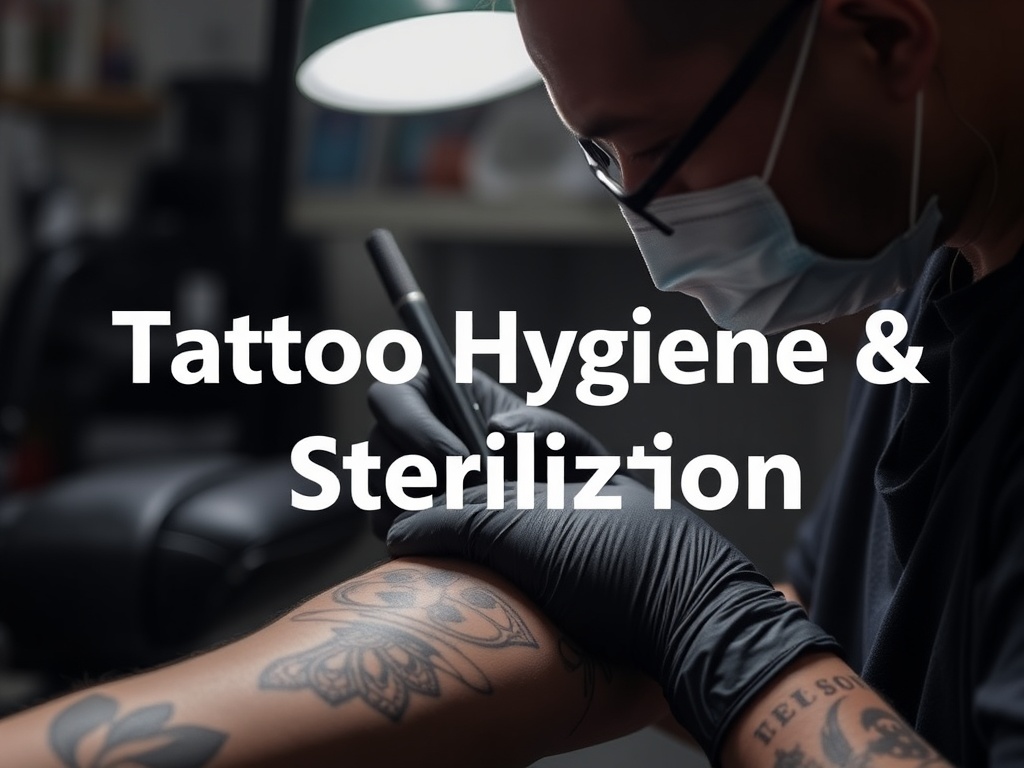
Ensuring the highest standards in tattoo hygiene and sterilization isn’t just a regulatory requirement—it’s the cornerstone of a successful and reputable tattoo practice. As more aspiring artists turn to online courses, mastering these fundamentals in a digital learning environment is vital. This definitive guide covers expert-backed techniques, real-world examples, and actionable steps to help online tattoo students excel in hygiene and sterilization, protecting both themselves and their future clients.
Table of Contents
- Why Tattoo Hygiene & Sterilization Matter
- Core Principles of Tattoo Hygiene
- Sterilization Techniques for Tattoo Artists
- Adapting Hygiene & Sterilization to Online Tattoo Courses
- Practical Examples & Case Studies
- Common Mistakes in Tattoo Hygiene (and How to Avoid Them)
- Assessment & Certification in Online Tattoo Hygiene Training
- Actionable Takeaways for Tattoo Students
- Further Learning & Internal Resources
Why Tattoo Hygiene & Sterilization Matter
Hygiene and sterilization are critical to prevent infections, cross-contamination, and the spread of bloodborne pathogens. Poor hygiene can lead to serious health risks for both clients and artists, including:
- Hepatitis B and C
- HIV/AIDS
- Skin infections (e.g., MRSA)
Adhering to strict hygiene protocols not only protects health but also builds trust and credibility with clients.
Core Principles of Tattoo Hygiene
Every aspiring tattoo artist must embrace these foundational principles:
- Hand Hygiene: Regular and proper handwashing, use of gloves, and avoiding cross-contact.
- Personal Protective Equipment (PPE): Wearing gloves, masks, and aprons as needed.
- Surface Disinfection: Cleaning and disinfecting all work surfaces before and after each session.
- Single-Use Items: Using disposable needles, ink caps, and barriers whenever possible.
- Waste Disposal: Safe disposal of sharps and contaminated materials in labeled biohazard containers.
Hand Hygiene Best Practices
Hand hygiene is the first line of defense. Use antimicrobial soap and warm water, scrubbing for at least 20 seconds. Dry hands with disposable towels. Always wear new gloves before touching any sterile equipment or client skin.
Sterilization Techniques for Tattoo Artists
Proper sterilization eliminates all forms of microbial life, including bacteria and viruses. Effective sterilization methods include:
- Autoclaving: Gold standard for sterilizing reusable equipment. Autoclaves use steam under pressure to achieve complete sterilization.
- Chemical Sterilization: For heat-sensitive items, using EPA-approved disinfectant solutions or cold sterilization methods.
- Ultrasonic Cleaning: Pre-cleaning tools with ultrasonic cleaners before autoclaving to remove debris.
Online students should learn to recognize properly sterilized instruments (e.g., sterilization indicators, packaging integrity) and understand the importance of maintaining equipment logs.
Recommended Sterilization Workflow
- Pre-clean tools with an ultrasonic cleaner.
- Package tools in sterilization pouches with indicators.
- Autoclave according to manufacturer’s specifications.
- Store sterilized equipment in a clean, dry area until use.
Tip: In your online course, look for demonstrations or virtual walkthroughs of autoclaving and proper equipment handling.
Adapting Hygiene & Sterilization to Online Tattoo Courses
Learning tattoo hygiene and sterilization online presents unique challenges. To overcome these, reputable courses employ:
- High-definition video tutorials: Clear demonstrations of handwashing, equipment setup, and workspace cleaning.
- Interactive quizzes: Reinforcing best practices and testing knowledge retention.
- Downloadable checklists: Printable guides to follow during practice sessions.
- Virtual simulations: Safe, risk-free environments to practice identifying contamination risks.
Look for courses that provide personalized feedback on student-submitted videos or photos of their hygiene practices.
Example: Online Course Hygiene Module Structure
- Introduction to hygiene and sterilization theory
- Step-by-step video demonstrations
- Hands-on assignments (e.g., setting up a sterile tray)
- Submission of practice evidence for instructor feedback
- Assessment and certification
Practical Examples & Case Studies
Case Study 1: Preventing Cross-Contamination
Scenario: An online student notices they accidentally touched their phone while wearing gloves during a practice session.
Resolution: The instructor reviewed the video, highlighted the breach, and coached the student to always remove gloves before handling non-sterile items.
Case Study 2: The Importance of Equipment Logs
Scenario: A student submits a photo of their autoclaved tools but forgets to include the sterilization log.
Resolution: The course required a completed log, teaching students to track sterilization cycles and expiry dates—an essential practice for professional studios.
Practical Example: Setting Up a Sterile Workstation
- Disinfect surfaces with an approved agent
- Arrange single-use items on a sterile barrier
- Open sterilized tools with gloved hands
- Keep all non-sterile items away from the work area
Common Mistakes in Tattoo Hygiene (and How to Avoid Them)
- Reusing disposable items (needles, ink caps) – always use new ones
- Improper glove changes – change gloves after any contamination risk
- Skipping surface disinfection between clients
- Storing sterile tools in unclean environments
- Inadequate handwashing before and after glove use
Online courses should stress these points, often with real-life examples or interactive error-spotting activities.
Assessment & Certification in Online Tattoo Hygiene Training
Credible online tattoo courses evaluate students via:
- Module quizzes and final exams
- Video/photo evidence of proper hygiene protocols
- Peer and instructor feedback loops
Completion certificates for hygiene and sterilization modules demonstrate commitment to safety and professionalism, often required by studios and licensing bodies.
Actionable Takeaways for Tattoo Students
- Invest in quality PPE and sterilization equipment—even for practice.
- Practice correct hand hygiene and glove use every time, even outside of tattoo sessions.
- Use checklists and logs to track your daily hygiene routines.
- Record your practice sessions for self-review and instructor feedback.
- Stay updated on the latest health regulations and best practices—subscribe to industry newsletters or follow reputable sources.
Further Learning & Internal Resources
- Tattoo Safety Fundamentals: A Complete Introduction
- Tattoo Aftercare Best Practices: Healing & Hygiene
- Choosing the Right Online Tattoo Certification
Conclusion
Mastering tattoo hygiene and sterilization online is entirely achievable with the right resources, consistent practice, and a commitment to safety. By following expert best practices, engaging with interactive courses, and continuously assessing your skills, you’ll lay a solid foundation for a responsible, successful tattoo career.