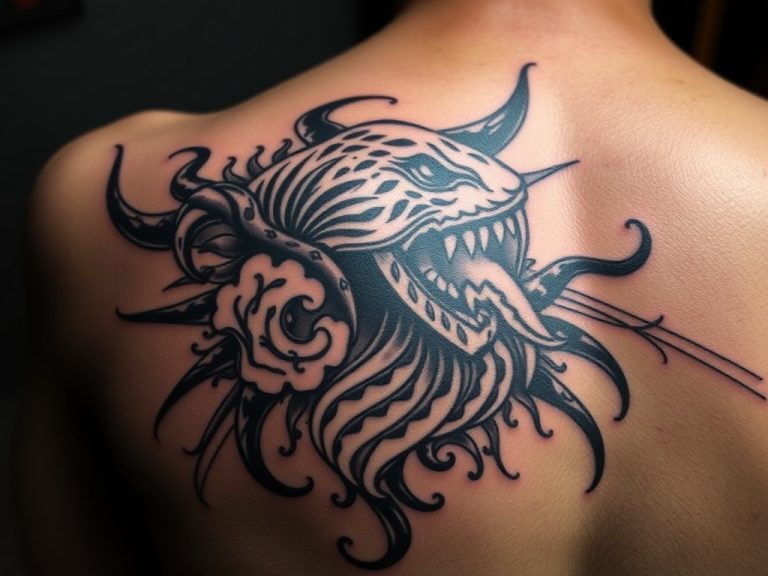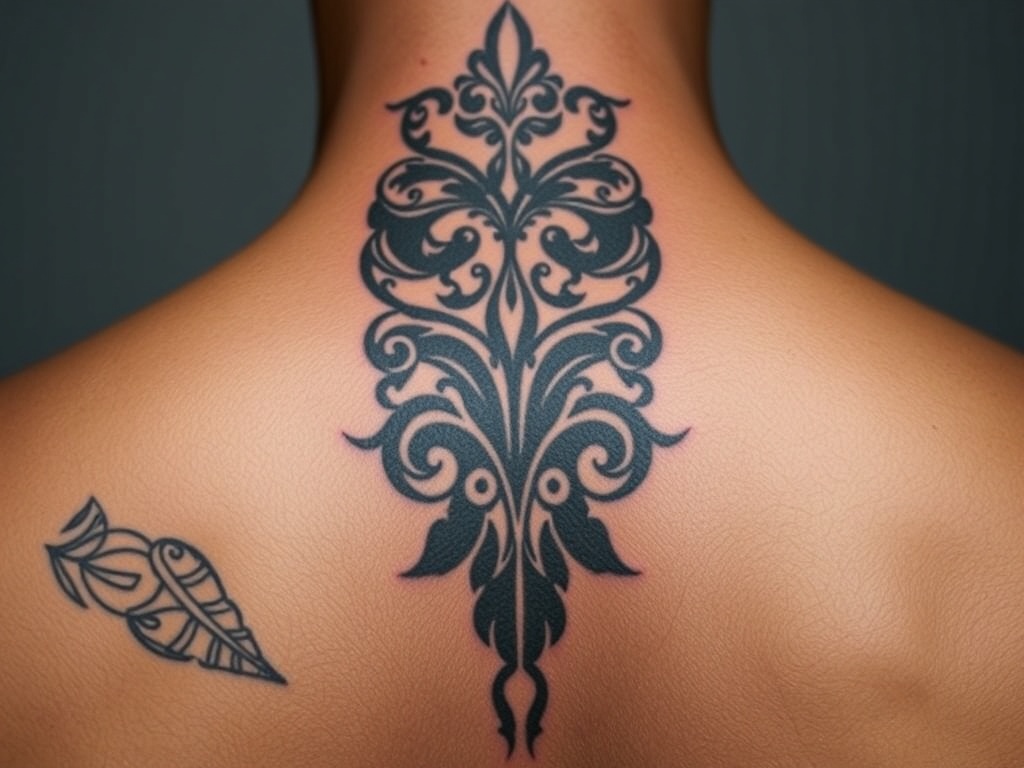
Every skin type is unique, and as tattoo artists, understanding the nuances of tattooing on various skin tones, textures, and sensitivities is crucial for delivering beautiful, lasting results. This expert guide explores the techniques and considerations for tattooing on different skin types, emphasizing practical advice, real-world case studies, and actionable takeaways for artists at every level.
Why Skin Type Matters in Tattooing
The appearance, healing, and longevity of a tattoo are directly influenced by the client’s skin type. Factors such as skin tone, texture, oiliness, and sensitivity can impact pigment retention, color vibrancy, and the risk of complications. By tailoring your approach, you can ensure every client receives a tattoo that looks vibrant and heals beautifully—regardless of their skin type.
Understanding the Main Skin Types
- Fair/Light Skin: Often shows ink colors vividly but may be more prone to redness, swelling, and sun sensitivity.
- Medium/Olive Skin: Tends to heal well, with moderate melanin levels that can affect certain ink shades.
- Dark/Brown Skin: Higher melanin content can influence color choices and requires specific techniques for optimal results.
- Textured Skin: Includes scarred, aged, freckled, or acne-prone skin, each presenting unique challenges.
- Sensitive Skin: More likely to experience irritation, allergic reactions, or excess swelling during the tattoo process.
Techniques for Tattooing on Different Skin Tones
Tattooing on Fair/Light Skin
Fair skin is often considered a blank canvas, with colors showing up vibrantly. However, it can be more susceptible to sunburn, redness, and scarring. Artists should:
- Use lighter hand pressure to avoid overworking the skin.
- Apply sun protection recommendations post-session.
- Be cautious with very light or pastel colors, as they might fade more quickly under sun exposure.
Tattooing on Medium/Olive Skin
Medium and olive skin tones offer a balanced backdrop for many colors. Consider:
- Testing pigments for undertone compatibility (warm vs. cool).
- Using bold lines and slightly deeper saturation for longevity.
- Advising clients on aftercare to prevent hyperpigmentation.
Tattooing on Dark Skin
Dark skin contains more melanin, which can affect how pigments appear and heal. Key techniques include:
- Choosing the right colors: Opt for vibrant, saturated inks (such as reds, royal blues, and greens) rather than pastels or white, which may not show up well.
- Emphasizing bold linework: Thick, well-defined lines stand out better than fine, intricate designs.
- Layering and shading: Gradual layering can build depth without causing trauma. Avoid excessive shading in one pass.
- Customizing designs: Select patterns that prioritize contrast and negative space, which enhances visibility on deeper skin tones.
- Pre-draw on skin: Use a white marker or skin-safe pencil for stencils to ensure visibility during the session.
Case Study: An artist working with a client with Fitzpatrick Type VI skin (deep brown) found that opting for high-contrast blackwork with minimal color resulted in a crisp, long-lasting tattoo that healed evenly. The client reported high satisfaction and minimal fading after a year.
Adapting Techniques for Skin Texture and Sensitivity
Tattooing on Textured Skin
Textured skin may include old scars, stretch marks, or acne. These areas require gentler handling:
- Lower machine speed and lighter hand to reduce trauma.
- Encourage clients to moisturize the area before the appointment.
- Adjust needle configurations for better ink delivery on uneven surfaces.
- Be transparent about potential outcomes (e.g., pigment spread or uneven lines).
Case Study: A client with a healed scar requested a cover-up. The artist used a combination of stipple shading and bold outlines, avoiding excessive saturation. The result was a camouflaged, artful tattoo that both concealed the scar and minimized trauma.
Tattooing on Sensitive Skin
Sensitive skin can react unpredictably to needles and pigments. To minimize complications:
- Perform a patch test with the intended ink, especially for first-time clients.
- Use single-use, hypoallergenic products.
- Limit session length to reduce stress on the skin.
- Monitor carefully for signs of allergic reaction or excessive irritation.
Choosing the Right Tattoo Techniques and Equipment
- Needle selection: Use round liners for bold outlines; magnums for smooth shading, adjusting based on skin thickness.
- Machine settings: Lower voltage and speed for sensitive or textured skin; regular settings for healthy, resilient skin types.
- Ink quality: Opt for high-quality, professional-grade inks to ensure color stability across all skin types.
- Stencil application: Use contrasting colors for stencil transfer, especially on dark skin.
Aftercare Recommendations by Skin Type
Proper aftercare is vital for tattoo longevity and appearance. Customize your advice:
- Fair/light skin: Stress the importance of sun protection to prevent fading.
- Medium/olive skin: Recommend moisturizing and gentle cleansing to avoid hyperpigmentation.
- Dark skin: Advise against harsh exfoliants; suggest fragrance-free moisturizers to minimize irritation.
- Textured or sensitive skin: Suggest hypoallergenic aftercare balms and monitor healing for any adverse reactions.
For more in-depth aftercare tips, visit our Tattoo Aftercare Guide.
Common Challenges and Solutions
- Ink visibility on dark skin: Use highly pigmented inks and bold designs. Avoid pastels and yellows.
- Healing complications: Advise tailored aftercare and monitor for keloid risk in predisposed clients.
- Color retention: Saturate color in layers, allowing for skin recovery between passes.
- Client expectations: Use portfolio examples of healed tattoos on similar skin types to set realistic expectations.
Actionable Takeaways for Tattoo Artists
- Consult with each client about their skin history and expectations before designing the tattoo.
- Customize your technique and equipment settings for each skin type.
- Prioritize high-contrast designs and bold lines for dark or textured skin.
- Invest in quality inks and hypoallergenic products.
- Educate clients on personalized aftercare protocols.
- Continually update your portfolio with healed results on diverse skin types.
Internal Resources
- Learn more about types of tattoo ink and choosing the right pigments.
- Discover advanced modern tattoo techniques for optimal results.
- Brush up on tattoo aftercare for all skin types.
Conclusion
Tattooing on different skin types requires skill, adaptability, and a deep understanding of how skin characteristics influence the tattoo process. By customizing your approach, selecting the right inks and techniques, and educating your clients, you can ensure stunning, lasting artwork on every canvas. For more expert guidance, explore our related articles or contact us with your tattoo questions.