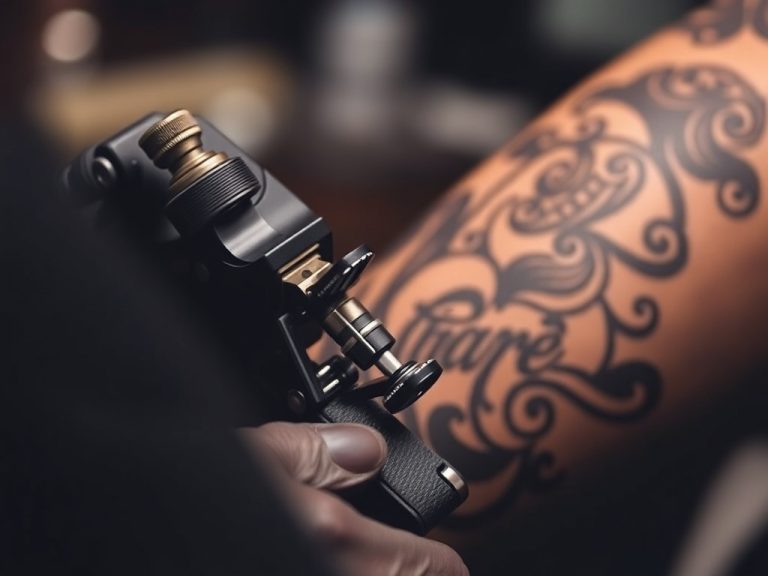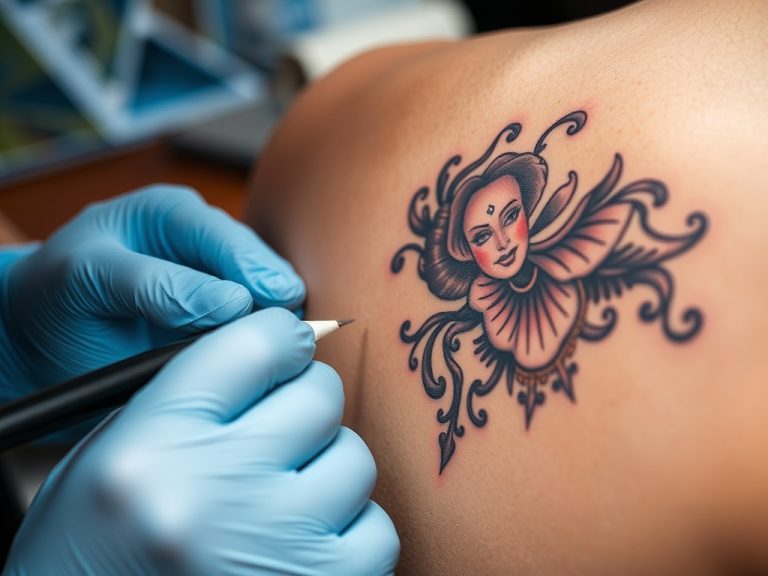
In the competitive world of tattoo artistry, your portfolio is more than just a collection of designs—it’s your calling card, résumé, and marketing tool all in one. Whether you’re a new artist seeking your first studio placement or an established professional aiming to attract higher-profile clients, a standout tattoo portfolio makes all the difference.
Why a Strong Tattoo Portfolio Matters
Your tattoo portfolio does more than display your best work—it communicates your style, technical skill, and professionalism. First impressions count, and clients or studio managers often decide in seconds whether to learn more about you. A well-crafted portfolio can:
- Highlight your unique style and versatility
- Demonstrate your mastery of different techniques
- Showcase your attention to detail and professionalism
- Build trust with prospective clients and employers
Step 1: Curate Your Best Work
Quality over quantity is the golden rule. Select pieces that show:
- Technical proficiency: Crisp linework, smooth shading, and solid color saturation
- Style diversity: Include black and grey, color, realism, traditional, and custom pieces if possible
- Progression: Show your growth over time, but only include work that meets current standards
- Healed tattoos: Whenever possible, display well-healed tattoos to prove the lasting quality of your work
Case Study: Alex Rivera, now a sought-after artist in Austin, Texas, trimmed his portfolio from 60 to 25 pieces. By focusing on healed tattoos and diverse styles, he landed a guest spot at a top studio—proof that less can be more.
Step 2: Professional Presentation Counts
Presentation makes or breaks your tattoo portfolio. Consider:
- High-Resolution Photos: Use a quality camera or smartphone. Ensure good lighting and a clean background. Avoid heavy filters.
- Before-and-after shots: Show stencils, linework, and finished tattoos to highlight your process.
- Consistent Formatting: Use the same image dimensions, orientation, and framing throughout.
- Organized Layout: Group similar styles, or arrange chronologically to show progression.
Tip: Use simple editing tools to crop and straighten photos, but avoid altering colors or hiding imperfections.
Step 3: Build a Digital Portfolio
A digital portfolio is essential for modern tattoo artist marketing. Consider these platforms:
- Personal Website: A custom site (using platforms like Squarespace or Wix) gives you full control and professionalism.
- Instagram: Still a top visual platform for tattoo artists. Optimize your profile with highlights, stories, and reels.
- Online Portfolio Platforms: Sites like Behance or ArtStation can help reach a broader creative audience.
Include contact information, an about page, and links to your studio or booking system. Optimize your site for mobile viewing—a huge percentage of clients browse on their phones.
Step 4: Create a Print Portfolio (When Needed)
Some studios and conventions still request physical portfolios. For print:
- Use high-quality prints on photo paper
- Choose a clean, simple binder with plastic sleeves
- Include a table of contents and business card
- Update regularly to reflect your best, most recent work
Step 5: Tell the Story Behind Your Work
Give context for standout pieces. Share the inspiration, challenges, or client stories. For example:
Case Example: „This full sleeve took over a year to complete and was inspired by my client’s heritage. We combined Japanese elements with modern color techniques, creating a unique piece that tells his personal story.“
Personal narratives make your portfolio memorable and demonstrate your client-focused approach.
Step 6: Promote and Share Your Portfolio
Building a great tattoo portfolio is just the start—getting it noticed requires smart promotion:
- Leverage Social Media: Post regularly, use relevant hashtags (#tattooartist, #tattooportfolio), and engage with your audience.
- Network with Other Artists: Collaborate, guest spot, or participate in local art events.
- Submit to Tattoo Publications: Getting featured in magazines or blogs elevates your profile.
- Encourage Client Referrals: Happy clients are your best marketers—ask for testimonials and permission to share their tattoos.
Be sure to link back to your tattoo artist marketing resources for more promotional strategies.
Step 7: Keep Your Portfolio Updated
Your skills evolve—so should your tattoo portfolio. Schedule quarterly reviews to:
- Remove outdated work
- Add new styles or techniques
- Refresh your bio and contact details
Pro Tip: Document healed tattoos by inviting clients back for follow-up photos. This builds trust and shows the lasting quality of your ink.
Common Mistakes to Avoid
- Including too much work or poor-quality photos
- Using inconsistent or cluttered layouts
- Neglecting to update regularly
- Over-editing images or hiding flaws
- Forgetting to include healed tattoos
Actionable Takeaways
- Curate only your best, most representative work
- Invest in high-quality photography and consistent formatting
- Build both digital and, if needed, print portfolios
- Tell the story behind your standout tattoos
- Promote your portfolio through social media, publications, and referrals
- Update your portfolio quarterly for relevance and freshness
Internal Resources
Conclusion
Building a tattoo artist portfolio that gets you noticed takes more than just showcasing beautiful designs—it requires intention, curation, and ongoing effort. By following these expert portfolio tips and focusing on both creation and promotion, you’ll stand out in the crowded tattoo industry and attract the clients and opportunities you deserve.