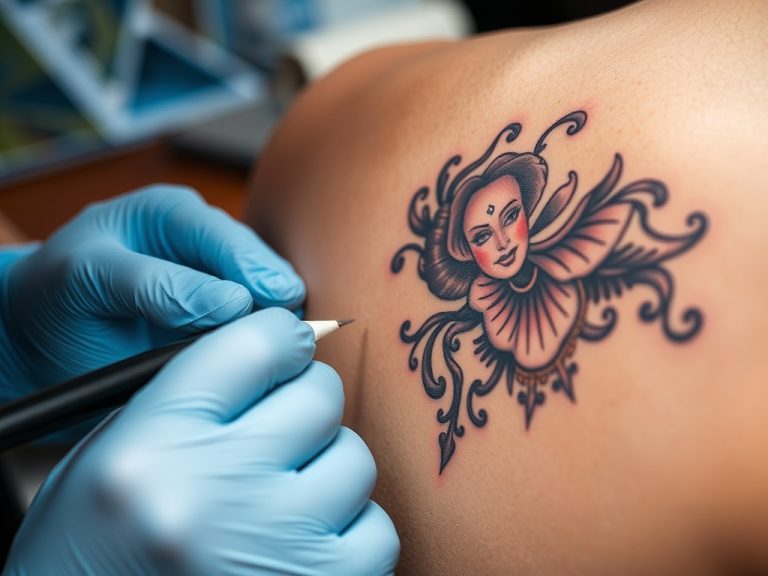
Starting a tattoo business is an exciting journey, but it’s also one that comes with important legal and business considerations. From studio licensing and health regulations to insurance, contracts, and business setup, every step is crucial for building a legitimate, thriving tattoo studio. In this in-depth guide, we’ll walk you through the essentials every tattoo artist needs to know to stay compliant, protect themselves, and set up a successful business.
Table of Contents
- Why Legal Compliance Matters for Tattoo Artists
- Licensing Requirements for Tattoo Studios and Artists
- Health & Safety Regulations: Protecting Clients and Your Reputation
- Choosing Your Tattoo Business Structure
- Insurance Essentials for Tattoo Artists
- Contracts, Waivers, and Studio Policies
- Case Studies: Real-World Tattoo Studio Setups
- Actionable Takeaways
- Further Reading and Resources
Why Legal Compliance Matters for Tattoo Artists
Operating a tattoo studio without proper legal compliance can result in fines, business closure, and even criminal charges. Compliance isn’t just about avoiding trouble—it’s about building trust with clients, maintaining your reputation, and setting your tattoo business up for long-term success.
- Client Protection: Proper licensing and health practices ensure client safety.
- Business Security: Insurance and contracts protect your financial interests.
- Professional Credibility: Compliance demonstrates professionalism to clients and peers alike.
Licensing Requirements for Tattoo Studios and Artists
Licensing is the foundation of any legal tattoo business. Requirements vary by state, county, and even city, so it’s crucial to research your local laws.
Common Licensing Steps
- Studio License: Most states require studios to be licensed separately from individual artists.
- Individual Artist License: Artists must often complete bloodborne pathogen training and register with local health departments.
- Business License: Register your business entity with your city or county.
- Special Permits: Some locations require additional permits for signage, waste disposal, or zoning.
Example: In California, tattoo studios must register with the local environmental health department, provide proof of bloodborne pathogen training, and pass an inspection before operating.
Internal Link Opportunity:
Read our in-depth guide to tattoo studio licensing requirements for a state-by-state breakdown.
Health & Safety Regulations: Protecting Clients and Your Reputation
Health and safety compliance is non-negotiable in the tattoo industry. Regulations generally require:
- Sterile work environments and equipment
- Proper storage and disposal of sharps and biohazardous waste
- Use of gloves and single-use needles
- Documented aftercare instructions for clients
Compliance is enforced by regular inspections from local health departments. Non-compliance can result in immediate business closure or hefty fines.
Pro Tip:
Keep a detailed log of sterilization processes and equipment maintenance. This not only ensures safety but also helps during inspections.
Choosing Your Tattoo Business Structure
Your business structure impacts your taxes, personal liability, and growth potential. Common structures for tattoo studios include:
- Sole Proprietorship: Simple, but offers no legal separation between personal and business assets.
- Limited Liability Company (LLC): Popular for tattoo artists, as it protects personal assets and is relatively easy to set up.
- Corporation: Offers the most protection but comes with more administrative requirements.
Case Study: Jane transitioned her studio from sole proprietorship to an LLC after hiring additional artists. This protected her personal assets in the event of a lawsuit.
Insurance Essentials for Tattoo Artists
Insurance is a safety net for your tattoo business. The main types to consider are:
- General Liability Insurance: Protects against accidents and injuries occurring on your premises.
- Professional Liability Insurance: Covers errors in your work (e.g., allergic reactions, mistakes).
- Property Insurance: Covers your equipment and studio space against theft, fire, or vandalism.
- Workers’ Compensation: Required if you employ other artists or staff.
Example: A client develops an infection after a tattoo. Professional liability insurance helps cover legal and medical costs, protecting both the artist and the studio.
Contracts, Waivers, and Studio Policies
Clear, legally sound documentation is essential for every tattoo studio. This includes:
- Client Waivers: Protects you from liability by confirming clients understand the risks.
- Consent Forms: Especially important for clients under 18 (where allowed, with parental consent).
- Artist Agreements: Outlines terms with other artists renting space or working at your studio.
- Aftercare Instructions: Written instructions help protect both client health and your business from liability.
Consult with a legal professional to ensure your documents are compliant with state and local laws.
Case Studies: Real-World Tattoo Studio Setups
Case Study 1: Urban Ink Collective
Located in a bustling city, Urban Ink Collective navigated complex local licensing by hiring a business attorney. They invested in robust insurance and developed detailed client waivers, which proved invaluable when a minor incident occurred—a client fainted and required medical attention, but the studio’s policies ensured there were no legal repercussions.
Case Study 2: Rural Roots Tattoo
Situated in a rural area, Rural Roots Tattoo faced unique zoning challenges. The owner worked with the county planning board to secure permits and built strong relationships with local health inspectors, ensuring a smooth inspection process and positive reputation in the community.
Actionable Takeaways
- Research your local tattoo studio licensing requirements thoroughly before opening your business.
- Implement strict health and safety protocols, and keep meticulous records.
- Choose a business structure that fits your goals and offers liability protection.
- Invest in comprehensive insurance coverage.
- Use clear, legally compliant contracts, waivers, and aftercare policies for every client.
- Consult with professionals (attorneys, accountants, insurance agents) to ensure full compliance.
Further Reading and Resources
- How to Start a Tattoo Business: Step-by-Step Guide
- Tattoo Studio Licensing Requirements by State
- Tattoo Artist Insurance: What You Need to Know
- Tattoo Client Waivers & Consent Form Templates
Conclusion
Building a legal and successful tattoo business requires more than just artistic talent—it takes strategic planning and diligent compliance with laws and regulations. By mastering licensing, safety, insurance, and contracts, you’ll lay a strong foundation for a sustainable, reputable tattoo studio.