
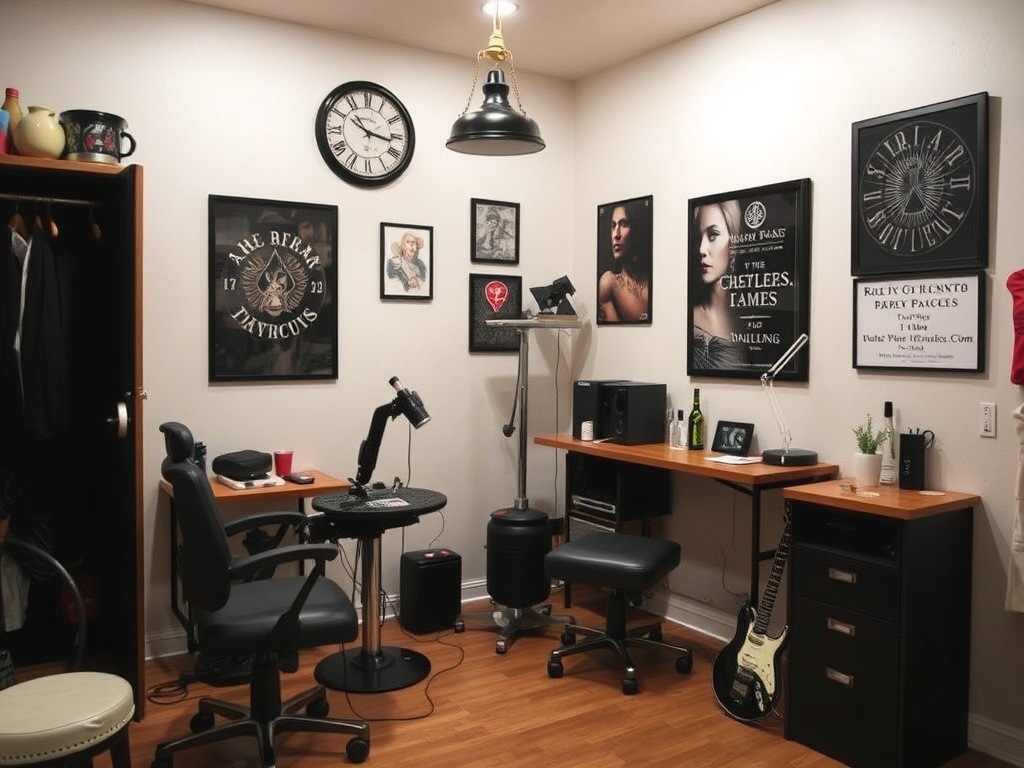
Transforming a room in your house into a professional-grade tattoo studio can be incredibly rewarding—and with the right approach, you can ensure safety, creativity, and comfort. This comprehensive guide walks you through every step of the home tattoo studio setup process, with a special focus on tattoo studio safety. Whether you’re an online learner, apprentice, or self-taught artist, you’ll find practical advice, actionable takeaways, and real-world examples to help you build your perfect space.
Table of Contents
- Planning Your Home Tattoo Studio
- Selecting and Preparing the Location
- Essential Equipment Checklist
- Furniture and Layout Tips
- Hygiene and Sterilization Protocols
- Tattoo Studio Safety: Best Practices
- Legal Considerations and Insurance
- Case Studies: Successful Home Studios
- Troubleshooting Common Challenges
- Actionable Takeaways
1. Planning Your Home Tattoo Studio
Before you buy a single piece of equipment, take time to plan your studio. Consider your goals, budget, and space limitations. Ask yourself:
- How much space do I realistically need?
- Am I focusing on practice, portfolio building, or taking clients?
- What is my budget for equipment and supplies?
Pro Tip: Sketch a floor plan to visualize your setup and workflow.
2. Selecting and Preparing the Location
The right room can make or break your home tattoo studio. Choose a space that is:
- Easily cleaned—avoid carpeted areas and opt for tile or laminate flooring.
- Well-ventilated, with a window or exhaust fan to manage fumes.
- Private and free from distractions.
Clear the room of unnecessary items to minimize dust and contaminants. Set up a dedicated trash bin, and if possible, a sink for easy handwashing.
Lighting and Electrical Access
Good lighting is crucial for precision. Use a mix of overhead and adjustable task lighting. Ensure outlets are accessible for your tattoo machine and sterilization tools.
3. Essential Equipment Checklist
- Tattoo machine (rotary or coil)
- Power supply and foot pedal
- Clip cords and RCA cables
- Disposable tattoo needles and tubes
- Autoclave or alternative sterilization equipment
- Medical-grade gloves (nitrile preferred)
- Barrier film and disposable covers
- Sharps container for needle disposal
- Cleaning and disinfecting supplies
- Professional tattoo ink (always use reputable brands)
- Stencil printer and transfer paper
- Adjustable chair and client bed
- Storage drawers or carts
Invest in quality—cheap equipment can compromise safety and results. For a deeper dive into tattoo equipment, see our guide on Tattoo Equipment Essentials for Beginners.
4. Furniture and Layout Tips
Design your workspace to support both safety and comfort:
- Ergonomic client chair/bed: Should be adjustable and easy to disinfect.
- Artist stool: Adjustable for height and lumbar support.
- Work surfaces: Stainless steel tables are ideal for holding inks and supplies.
- Storage: Use closed drawers or carts to keep supplies organized and dust-free.
Maintain a clear separation between clean and contaminated zones. For example, keep your sterilized tools on one side of your workspace and used items on another.
5. Hygiene and Sterilization Protocols
Cleanliness is non-negotiable in any tattoo studio. Follow these steps to safeguard your health and your clients‘:
- Disinfect all surfaces before and after each session using hospital-grade cleaners.
- Use single-use, disposable items wherever possible (needles, gloves, ink caps).
- Sterilize reusable equipment in an autoclave after every use.
- Wash hands thoroughly and wear gloves at all times during procedures.
- Change gloves if you touch any non-sterile surface.
Display your cleaning schedule and protocols in your studio as a visible reminder.
6. Tattoo Studio Safety: Best Practices
Safety is at the heart of a professional home tattoo studio setup. Key best practices include:
- Install a sharps disposal container within arm’s reach.
- Use barrier film on high-contact surfaces (power supply, armrests).
- Never eat, drink, or store food in the studio area.
- Ensure a first-aid kit and fire extinguisher are accessible.
- Maintain up-to-date records of cleaning, equipment maintenance, and supply inventory.
- Stay current on bloodborne pathogens training—many online courses are available for tattoo artists.
For more on safety protocols, check out our Tattoo Studio Safety Guidelines.
Dealing with Biohazards
All used needles and contaminated waste must be disposed of according to local regulations. Invest in a medical waste disposal service if required in your area.
7. Legal Considerations and Insurance
Even for home studios, legal compliance is crucial. Research your area’s requirements for:
- Licensing and permits for home-based tattooing
- Health inspections and minimum standards
- Liability insurance to protect you and your clients
Consider consulting with a local attorney or tattoo association for up-to-date information. For further reading, visit our Tattoo Business Legal Basics guide.
8. Case Studies: Successful Home Studios
Case Study 1: Urban Studio in a Spare Room
Sarah, a self-taught artist from Chicago, transformed her guest bedroom into a tattoo studio. She invested in an autoclave and professional lighting, and passed a local health inspection with flying colors. Her focus on strict hygiene and consistent cleaning helped her build a loyal client base, even before opening a public shop.
Case Study 2: Garage Conversion Success
Ramon, an apprentice, converted his detached garage into a fully compliant studio. He installed a utility sink, upgraded the electrical system, and created a clear separation between clean and soiled zones. With client comfort in mind, he added soundproofing and climate control, earning 5-star reviews for both professionalism and ambiance.
9. Troubleshooting Common Challenges
- Limited space? Use wall-mounted shelves and foldable furniture to maximize your studio footprint.
- Noise complaints? Add soundproofing panels or use a white noise machine to minimize disturbance.
- Allergic reactions? Choose latex-free gloves and hypoallergenic cleaning products.
- Supply shortages? Set up automated restock reminders and work with multiple suppliers.
10. Actionable Takeaways
- Plan your studio workflow before purchasing equipment.
- Prioritize safety and cleanliness over aesthetics.
- Invest in professional-grade sterilization equipment and supplies.
- Stay compliant with local laws and regularly update your knowledge of health regulations.
- Document your safety protocols—and share them with clients for added trust.
- Learn from other artists’ setups and adapt their best practices to your space.
For more in-depth advice, explore our Tattoo Artist Learning Hub for resources, checklists, and community support.
Conclusion
Building a home tattoo studio is a significant step in your artistic journey. With careful planning, investment in safety, and continuous learning, you can create a studio that’s both inspiring and responsible. Always put health and professionalism first—your reputation and your clients’ well-being depend on it.


