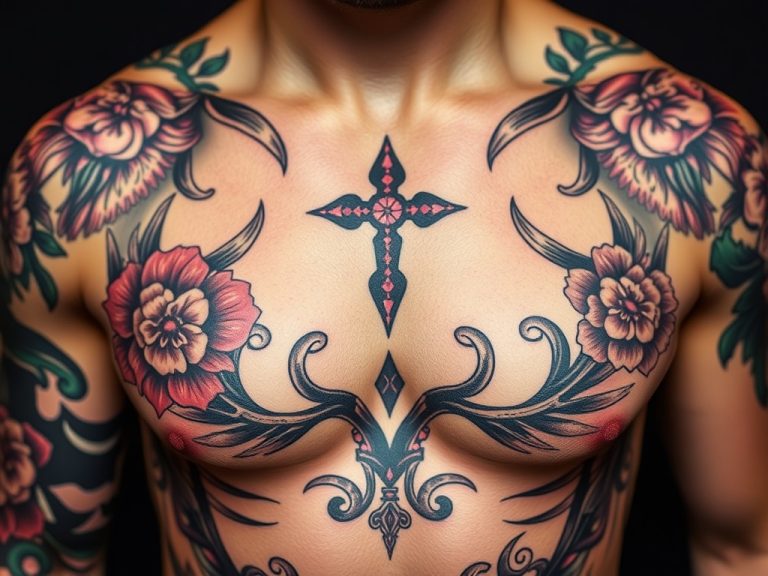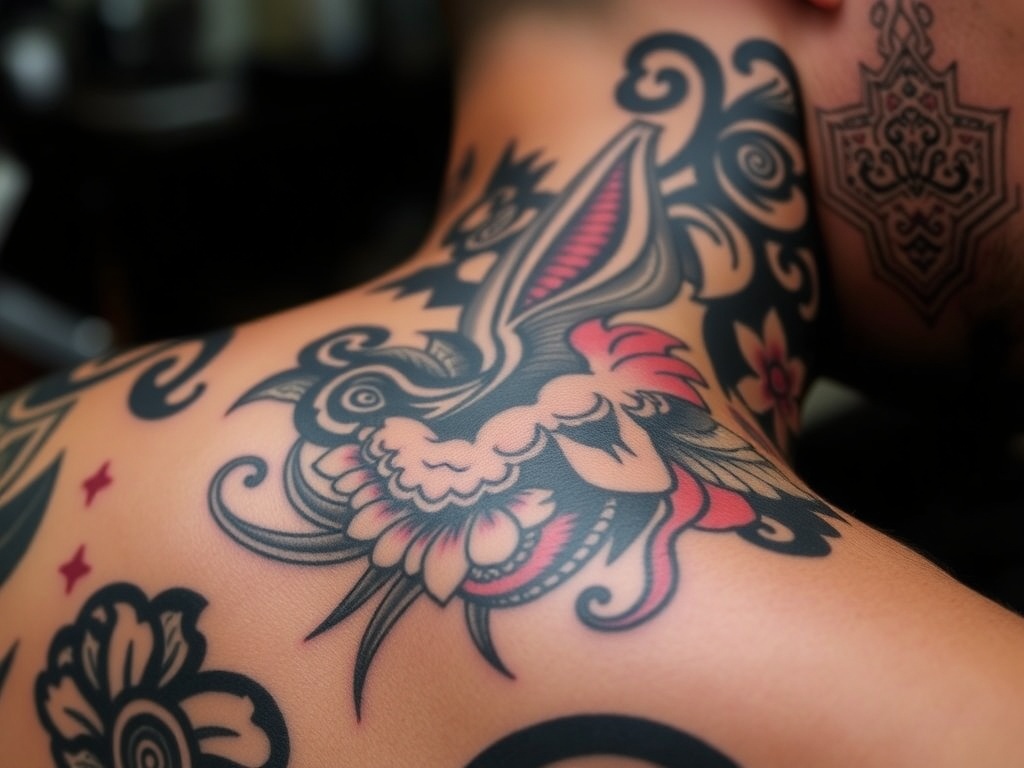
Whether you’re a tattoo enthusiast, aspiring artist, or simply curious, understanding the vast world of tattoo styles is key to appreciating body art. This comprehensive tattoo styles guide explores the history, signature elements, and evolving techniques of both traditional and modern tattooing, providing you with practical insights and inspiration for your next tattoo journey.
Table of Contents
- Introduction: The Art of Tattoo Styles
- Traditional Tattooing: Origins and Techniques
- Japanese Tattooing (Irezumi)
- Blackwork and Tribal Tattoo Styles
- Realism: Photorealistic Tattoos
- Watercolor Tattooing
- Neo-Traditional Tattooing
- Minimalist and Fine Line Tattoos
- Geometric and Dotwork Tattoos
- New School Tattooing
- Case Studies: Choosing the Right Style
- Modern Tattoo Techniques and Innovations
- Actionable Takeaways
- Further Learning and Internal Resources
Introduction: The Art of Tattoo Styles
Tattooing is an ancient practice, with roots that stretch across continents and cultures. Over time, tattoo styles have evolved—blending tradition, technology, and personal expression. Today’s tattoo landscape is more diverse than ever, offering everything from classic Americana to hyper-realistic portraiture. This tattoo styles guide breaks down the most influential styles, their historical context, and how modern tattoo techniques are shaping the future of body art.
Traditional Tattooing: Origins and Techniques
Traditional tattooing, also known as „Old School“ or „American Traditional,“ has its roots in 19th-century Western tattoo culture, particularly among sailors, soldiers, and adventurers. Characterized by bold black outlines, a limited color palette (usually red, green, yellow, and blue), and iconic imagery—think anchors, roses, daggers, and swallows—traditional tattoos are instantly recognizable.
Key Elements:
- Bold, simple lines
- Saturated colors with minimal shading
- Classic motifs (e.g., hearts, eagles, pin-up girls)
Technique Tip: Traditional tattooing relies on consistent needle depth and precise linework. Mastering these basics is essential for longevity and clarity.
Case Example: The Sailor Jerry Legacy
Norman „Sailor Jerry“ Collins popularized the American Traditional style, setting the standard for tattoo artistry in the 20th century. His flash sheets remain a staple in tattoo shops worldwide, and his focus on clean lines and bold imagery influences artists to this day.
Japanese Tattooing (Irezumi)
Japanese tattooing—known as Irezumi—has a rich cultural heritage dating back centuries. Traditional Irezumi features elaborate backpieces, sleeves, and bodysuits filled with symbolic motifs like koi fish, dragons, chrysanthemums, and waves.
Key Elements:
- Large, flowing compositions
- Mythological and natural themes
- Heavy use of black for shading and outlines
Technique Tip: Traditional Irezumi was historically done by hand (tebori), a method some artists still practice today. Modern Japanese tattooing often uses machines for efficiency and precision.
Case Example: Horiyoshi III
Horiyoshi III is a master of traditional Japanese tattooing, renowned for his full-body designs and adherence to cultural symbolism. His work illustrates the seamless blend of art, tradition, and technical mastery in Irezumi.
Blackwork and Tribal Tattoo Styles
Blackwork tattoos focus on solid black ink, often using geometric shapes, patterns, or abstract imagery. Tribal tattoos, which are a subset of blackwork, draw inspiration from indigenous cultures—such as Polynesian, Maori, and Borneo designs—each with their own symbolic language.
Key Elements:
- Solid black fills
- Repetitive patterns or symmetrical designs
- Strong cultural or spiritual significance (in tribal styles)
Technique Tip: Blackwork requires careful planning and expert knowledge of skin stretch and ink saturation to avoid patchiness or blowouts.
Case Example: Polynesian Sleeve
Polynesian tattooing tells a story unique to the wearer, with each symbol and pattern representing family, heritage, or achievements. Modern artists incorporate these elements with respect and precision, blending tradition with contemporary aesthetics.
Realism: Photorealistic Tattoos
The realism tattoo style aims to replicate photographs or real-life imagery on the skin. This style requires advanced technical skill, especially in shading, gradient work, and color blending.
Key Elements:
- Detailed shading and highlights
- Accurate anatomical features
- Lifelike representation of people, animals, or objects
Technique Tip: Realism often employs multiple needle sizes and layering techniques to create depth and texture.
Case Example: Portrait Tattoo
Portrait tattoos are a popular subgenre of realism. For example, a highly detailed black-and-grey portrait of a loved one demonstrates both the emotional impact and technical challenge of this style.
Watercolor Tattooing
Watercolor tattoos mimic the aesthetics of watercolor paintings, featuring soft washes, splashes, and gradients of color. These tattoos are usually less defined by outlines and focus on vibrant, flowing designs.
Key Elements:
- Bright, blended colors
- Minimal or no black outlines
- Brushstroke and splash effects
Technique Tip: Watercolor tattoos require a delicate touch and deep understanding of color theory to ensure the design ages well.
Case Example: Abstract Florals
Watercolor florals are a favorite among clients seeking a softer, more artistic tattoo. By blending pinks, purples, and blues without harsh outlines, artists can create a dreamlike effect reminiscent of watercolor paintings.
Neo-Traditional Tattooing
Neo-Traditional tattoos build on the foundation of traditional tattooing but introduce a wider color palette, more intricate shading, and a broader range of subject matter. This style combines the boldness of Old School with modern artistic influences.
Key Elements:
- Bold outlines with detailed shading
- Expanded color choices
- Illustrative, often surreal imagery
Technique Tip: Neo-Traditional artists blend traditional linework with layered colors and textures for added depth.
Case Example: Animal Portraits
A fox portrait rendered in Neo-Traditional style may feature exaggerated features, ornate details, and both muted and vibrant colors, showcasing the artist’s creative interpretation.
Minimalist and Fine Line Tattoos
Minimalist tattoos prioritize simplicity and subtlety, often using single, clean lines or small, symbolic imagery. Fine line tattoos are a technical subset, utilizing ultra-thin needles to achieve delicate detail.
Key Elements:
- Simple, uncluttered designs
- Limited color or pure black ink
- Emphasis on negative space
Technique Tip: Fine line tattoos require a steady hand and a gentle touch to prevent blowouts and ensure the longevity of the design.
Case Example: Tiny Symbols
Popular minimalist tattoos include tiny hearts, initials, or coordinates. Despite their size, these tattoos can hold deep personal significance and are ideal for first-timers or those seeking subtle art.
Geometric and Dotwork Tattoos
Geometric tattoos use mathematical shapes, symmetry, and precise lines to create visually striking designs. Dotwork tattoos utilize pointillism, building images through countless tiny dots.
Key Elements:
- Symmetrical or abstract patterns
- Sharp lines or dot shading
- Often black or monochromatic
Technique Tip: Achieving flawless symmetry and consistent dot size takes patience and meticulous planning.
Case Example: Mandala Tattoos
Mandala designs, using both geometric and dotwork techniques, showcase the artist’s skill in creating balance and harmony. These tattoos often symbolize unity and spiritual growth.
New School Tattooing
New School tattoos emerged in the late 20th century, blending graffiti, cartoons, and pop culture references into vibrant, exaggerated designs. This style is known for its bold color gradients, playful themes, and three-dimensional effects.
Key Elements:
- Vivid, saturated colors
- Exaggerated proportions and outlines
- Pop culture and fantasy motifs
Technique Tip: Mastery of color layering and blending is crucial for the dynamic effects seen in New School tattoos.
Case Example: Cartoon Characters
From comic book heroes to animated icons, New School tattoos allow clients to embrace their playful side, bringing larger-than-life characters to skin with a burst of color and creativity.
Case Studies: Choosing the Right Style
Let’s consider two real-world scenarios to illustrate how style selection impacts the tattoo experience:
- Case 1: Memorial Tattoo – A client wants to honor a loved one. After reviewing styles in this tattoo styles guide, they choose realism for a lifelike portrait, ensuring emotional depth and accuracy.
- Case 2: First Tattoo – A college student seeks a subtle, meaningful tattoo. After discussing options with their artist, they select a minimalist fine line design for its simplicity and low visibility.
Each style offers unique advantages, and consulting with a reputable artist is key to matching personal meaning with artistic execution. (For more on selecting an artist, see our guide to choosing a tattoo artist.)
Modern Tattoo Techniques and Innovations
The evolution of tattoo styles goes hand-in-hand with advancements in technology and technique. Today’s artists use:
- Rotary and coil machines for varied linework and shading
- Digital design tools for precise stenciling
- Single-use, sterile needles for safety and hygiene
- New ink formulations for brighter colors and reduced allergic reactions
- Aftercare products designed to speed healing and preserve color
Emerging trends include UV-reactive tattoos, tattoo removal techniques, and non-traditional placements (like palms or behind the ear). Staying informed about these innovations ensures your tattoo remains both beautiful and safe.
Actionable Takeaways
- Research different tattoo styles to find what resonates with your personality and vision.
- Consult with an experienced artist who specializes in your chosen style.
- Consider placement, size, and how the style may age over time.
- Prioritize safety by choosing studios that follow modern hygiene protocols.
- Use this tattoo styles guide as a starting point, and explore deeper with our tattoo aftercare tips and tattoo symbolism articles.
Further Learning and Internal Resources
By understanding both traditional and modern tattooing, you’ll be prepared to choose a style that’s both meaningful and timeless. For more expert advice, check out our full Tattoo Learning Hub.