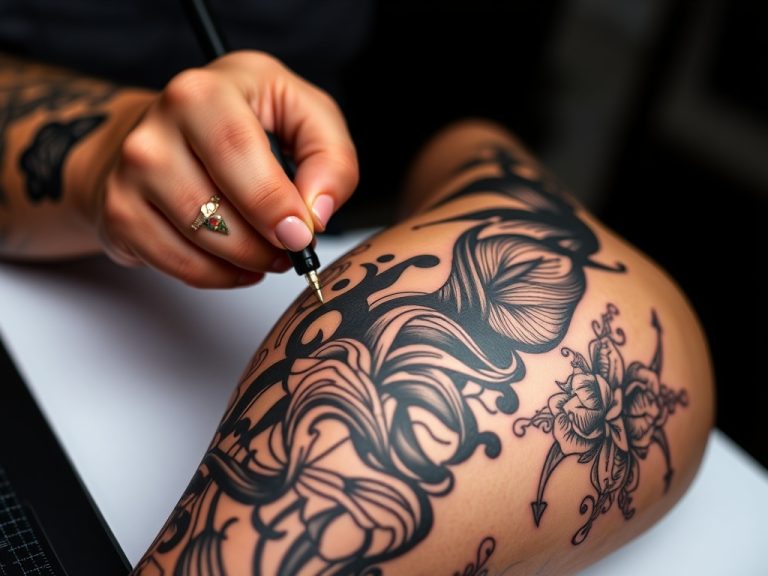
Introduction to the Tattoo Design Course Blueprint
In my experience, discovering a comprehensive Tattoo Design Course Blueprint has been a game-changer in my journey as an aspiring tattoo artist. When I first started exploring how to elevate my skills, I realized that having a clear, structured plan was essential. The Tattoo Design Course Blueprint not only guides my learning process but also helps me focus on key areas like technical mastery and artistic expression. I want to share what I’ve learned about creating and using this blueprint to unlock my full potential.
From what I’ve learned, a well-crafted Tattoo Design Course Blueprint acts as a roadmap that transforms raw talent into professional artistry. It’s not just about copying designs; it’s about understanding the fundamentals, developing your style, and honing your technical skills systematically. I believe that every aspiring tattoo artist should invest time in designing their own blueprint because it’s the foundation for consistent growth and artistic excellence. I’m excited to take you through my insights and practical tips for mastering this essential tool.
Building a Strong Foundation with the Tattoo Design Course Blueprint
Understanding the Core Components of a Tattoo Design Course Blueprint
In my experience, the first step in creating an effective Tattoo Design Course Blueprint is understanding its core components. These include fundamental drawing skills, knowledge of skin anatomy, and an understanding of different tattoo styles. When I started, I discovered that mastering these basics was crucial before moving on to more complex designs. I recommend dedicating time to each component within your blueprint to build a solid foundation.
From my research, a good Tattoo Design Course Blueprint should also incorporate technical skills like shading, line work, and color theory. I’ve found that breaking down these skills into manageable modules makes learning less overwhelming. For example, I set aside specific weeks for practice, ensuring I mastered each element thoroughly. This approach has helped me develop confidence and consistency in my work. I believe that a structured blueprint keeps you focused and motivated throughout your journey.
Creating Your Personal Tattoo Design Course Blueprint
When I designed my own Tattoo Design Course Blueprint, I started by assessing my current skills and setting realistic goals. Personalization is key because every artist’s journey is unique. I recommend mapping out your strengths, weaknesses, and areas you want to improve. This way, your blueprint becomes tailored to your needs, making your learning process more effective.
From what I’ve learned, your Tattoo Design Course Blueprint should include milestones and timelines. I found that setting short-term goals helped me stay on track and celebrate small victories. Additionally, I incorporated feedback sessions with mentors and peers into my blueprint, which accelerated my growth. I believe that a personalized approach ensures you remain engaged and continuously challenged, ultimately leading to artistic excellence.
Mastering Design Techniques Through the Tattoo Design Course Blueprint
Technical Skills Development with the Tattoo Design Course Blueprint
In my experience, mastering technical skills is the backbone of any successful Tattoo Design Course Blueprint. I’ve discovered that dedicating specific modules to line work, shading, and color blending allowed me to see tangible progress. The Tattoo Design Course Blueprint should emphasize repeated practice, which helps embed these skills into your muscle memory.
From what I’ve learned, I recommend practicing on different surfaces like synthetic skin or paper before moving onto actual skin. My research shows that understanding how ink interacts with skin is vital, so I included anatomy studies in my blueprint. I believe that continuous technical practice, guided by your blueprint, is essential to develop precision and consistency. This disciplined approach eventually translates into cleaner, more professional tattoo work.
Design Creativity and Technique Innovation in the Tattoo Design Course Blueprint
When I focus on creativity within my Tattoo Design Course Blueprint, I realize that pushing boundaries is what sets artists apart. I’ve found that experimenting with different styles—like realism, traditional, or abstract—helps me discover my unique voice. I recommend incorporating creative challenges into your blueprint, like weekly design prompts or collaborations, to foster innovation.
From my experience, a Tattoo Design Course Blueprint should also include time for inspiration and research. I often study artwork from various cultures and eras to expand my artistic horizon. I believe that blending technical proficiency with creative exploration is what ultimately leads to mastery. I’ve found that a balanced focus on technique and originality keeps my work fresh and engaging for clients.
Incorporating Creativity and Personal Style in Your Tattoo Design Course Blueprint
Developing Your Artistic Voice with the Tattoo Design Course Blueprint
In my journey, I’ve learned that cultivating a personal style is a vital part of the Tattoo Design Course Blueprint. I recommend dedicating sections of your blueprint to experimenting with different motifs, color palettes, and line qualities until you find what resonates with you. My own process involved creating a portfolio of various styles to identify my strengths and preferences.
From what I’ve discovered, the Tattoo Design Course Blueprint should include reflection periods where I review my work critically and seek feedback. This helps refine my style and ensures it remains authentic. I believe that developing a signature look not only distinguishes you as an artist but also attracts clients seeking your unique artistry. Embracing your individuality within the blueprint is the key to artistic excellence.
Balancing Inspiration and Originality in Your Designs
When I incorporate inspiration into my Tattoo Design Course Blueprint, I make sure to transform ideas into original compositions. I’ve found that copying works as a learning tool, but I always aim to add my twist. My research shows that originality enhances your reputation and keeps your work fresh and relevant.
From my experience, it’s beneficial to set aside time in your blueprint for daily sketching and idea generation. I recommend studying art outside of tattooing, such as fine art or graphic design, to develop a versatile visual vocabulary. I believe that balancing inspiration with personal innovation is what elevates your work and helps you stand out in a competitive industry. Consistently practicing this balance within your Tattoo Design Course Blueprint is essential for long-term success.
Resources and Continuing Education for Tattoo Artists
In my experience, ongoing learning is crucial to maintaining and elevating my skills. The Tattoo Design Course Blueprint should include a plan for continuing education—whether through online courses, workshops, or industry events. I’ve found that staying updated with the latest trends and techniques keeps my work innovative and relevant.
From what I’ve researched, some of the best resources for expanding your knowledge include industry-leading websites, professional associations, and art communities. I recommend subscribing to tattoo magazines and following influential artists on social media to get inspired regularly. Incorporating these resources into your Tattoo Design Course Blueprint ensures that your growth never stagnates. I believe that lifelong learning is the pathway to artistic mastery, and a well-structured blueprint makes this journey manageable and rewarding.
References and Resources
Throughout my research on Tattoo Design Course Blueprint, I’ve found these resources incredibly valuable. I recommend checking them out for additional insights:
Authoritative Sources on Tattoo Design Course Blueprint
-
Tattoo.com Blog
tattoo.comA comprehensive resource offering tutorials, industry trends, and expert advice on building an effective Tattoo Design Course Blueprint.
-
World Tattoo Events
worldtattooevents.comProvides updates on industry conferences and workshops that are perfect for expanding your Tattoo Design Course Blueprint through hands-on learning.
-
Tattoo Education
tattooeducation.comOffers online courses and tutorials specifically designed to help artists craft their Tattoo Design Course Blueprint for skill advancement.
-
Inked Magazine
inkedmag.comA major publication that features artist interviews, style trends, and tips for developing your Tattoo Design Course Blueprint.
-
Tattoo Academy
tattooacademy.comProvides structured courses and mentorship programs focused on creating effective Tattoo Design Course Blueprint strategies.
-
ResearchGate
researchgate.netOffers academic papers on skin anatomy, ink interactions, and art psychology, which are valuable for refining your Tattoo Design Course Blueprint.
-
Tattoo Safety and Safety Standards
tattoosafe.orgEssential for understanding health standards and protocols, which should be integrated into your Tattoo Design Course Blueprint.
-
ArtStation
artstation.comA platform showcasing artists’ portfolios, inspiring new design ideas and techniques to include in your Tattoo Design Course Blueprint.

Frequently Asked Questions
Frequently Asked Questions
What is a Tattoo Design Course Blueprint and why is it important?
In my experience, a Tattoo Design Course Blueprint is a structured plan that guides aspiring artists through the necessary skills, techniques, and artistic development needed for tattooing. I believe it’s important because it keeps your learning organized, ensures steady progress, and helps you focus on both technical mastery and personal style.
How do I create my own Tattoo Design Course Blueprint?
From what I’ve learned, creating your own blueprint involves assessing your current skills, setting clear goals, and mapping out a step-by-step plan that includes technical training, style development, and practical applications. I recommend starting with foundational skills and gradually adding advanced techniques and creative projects to your blueprint.
What are the key components of an effective Tattoo Design Course Blueprint?
I believe the key components include technical skills (line work, shading, coloring), artistic development (style, creativity), anatomy and safety knowledge, and ongoing education. In my experience, balancing these elements within your blueprint leads to well-rounded growth as a tattoo artist.
How can I incorporate creativity into my Tattoo Design Course Blueprint?
In my opinion, dedicating parts of your blueprint to experimentation, sketching, and studying various art forms helps foster creativity. I recommend setting aside time for personal projects, exploring different styles, and seeking inspiration from diverse sources. This ongoing practice nurtures your unique artistic voice.
Why is continuing education important in tattoo artistry?
Based on my experience, the tattoo industry is always evolving with new techniques, tools, and trends. Including ongoing education in your Tattoo Design Course Blueprint helps you stay current, improve your skills, and maintain a competitive edge. I highly recommend attending workshops, seminars, and following industry leaders regularly.
Conclusion
In conclusion, my research on Tattoo Design Course Blueprint has shown that a well-structured plan is essential for transforming raw talent into professional artistry. I believe that investing time in developing a comprehensive blueprint not only guides your technical skills but also nurtures your creativity and personal style. I hope this guide helps you build your own Tattoo Design Course Blueprint that will lead you on a successful path in the tattoo industry. Remember, consistency and continuous learning are the keys to unlocking your artistic potential.

Find out more information about „Tattoo Design Course Blueprint“
Search for more resources and information: