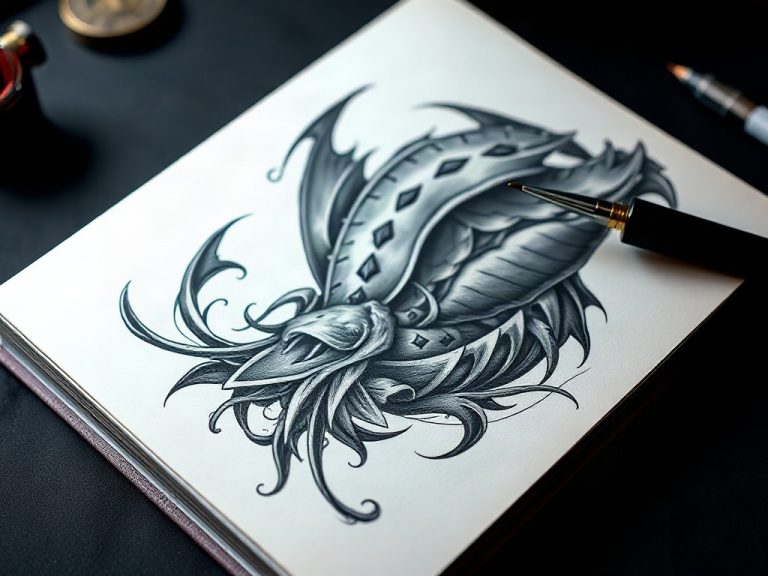
Introduction to the Tattoo Design Course Crash Course
In my experience with Tattoo Design Course Crash Course, I’ve found that starting with a focused, comprehensive crash course is one of the best ways to jumpstart my journey into tattoo artistry. When I first began exploring tattoo design, I realized that a well-structured Tattoo Design Course Crash Course provides not just the technical skills but also the confidence needed to create compelling, market-ready designs.
I’ve been researching various options, and what stands out about the Tattoo Design Course Crash Course is how it condenses essential knowledge into a manageable timeframe. I want to share what I’ve learned about this approach because I believe it’s a game-changer for anyone serious about mastering tattoo art quickly and effectively.
Why I Chose the Tattoo Design Course Crash Course
In my journey as an aspiring tattoo artist, I’ve discovered that time is a critical factor. The Tattoo Design Course Crash Course appealed to me because it promises to deliver foundational skills in a condensed, intensive format. From what I’ve learned, choosing a crash course was the best way to avoid overwhelming myself with information while still gaining practical knowledge.
I recommend anyone interested in tattoo design to consider a Tattoo Design Course Crash Course because it focuses on core concepts like anatomy, shading, and composition—areas I found most challenging initially. My personal experience shows that a good crash course also emphasizes industry standards, hygiene, and client communication, which are vital for a professional career.
Key Skills You Need in a Tattoo Design Course Crash Course
Understanding Basic Drawing and Design Principles
In my experience, a Tattoo Design Course Crash Course that covers drawing fundamentals has been invaluable. I’ve discovered that solid sketching skills are the backbone of great tattoo design. From what I’ve learned, mastering line work, shading, and proportion allows me to develop more refined and personalized pieces.
I recommend dedicating time to these basics, even if they seem simple at first. During my crash course journey, I found that consistent practice in sketching and understanding design principles significantly improved my confidence when creating tattoos for clients. A good Tattoo Design Course Crash Course will emphasize these foundational skills to ensure you build a strong artistic base.
Color Theory and Shading Techniques
From my research and personal experience, I believe that color theory and shading are critical components taught in a that elevate your work from amateur to professional. I’ve found that understanding how colors interact, along with mastering shading techniques, helps create tattoos that pop and look realistic.
In my opinion, a Tattoo Design Course Crash Course that includes practical exercises on color blending and shading methods is invaluable. It’s helped me develop a more nuanced approach to tattooing, especially when working with vibrant ink or realistic portraits. I highly recommend investing time in these areas during your crash course to enhance your artistry.
How to Maximize Your Learning from a Tattoo Design Course Crash Course
Practice Regularly and Seek Feedback
In my experience, the key to excelling in a Tattoo Design Course Crash Course is consistent practice. I’ve found that creating a variety of designs, from simple symbols to complex compositions, reinforces my skills. Additionally, I seek feedback from mentors and peers, which has been instrumental in refining my techniques.
I recommend setting a practice schedule that allows you to experiment daily or weekly. During my own crash course, I discovered that constructive criticism accelerates learning and helps identify areas for improvement. Remember, mastery comes with repetition and openness to critique.
Build a Portfolio Throughout the Course
From what I’ve learned, documenting your progress by building a portfolio is essential. A Tattoo Design Course Crash Course often emphasizes this aspect, and I believe it’s crucial for showcasing your skills to potential clients or employers. I started collecting my best designs from the course modules, which gave me confidence and clarity on my style.
I recommend taking high-quality photos of your work and organizing them into categories. This not only helps track your growth but also prepares you for real-world opportunities. My personal experience shows that having a strong portfolio is often the difference between getting hired or landing your first client.
Additional Resources & Tips for Aspiring Tattoo Artists
In my journey, I’ve found that supplementing a Tattoo Design Course Crash Course with external resources enhances my learning exponentially. I recommend exploring online tutorials, industry forums, and attending tattoo conventions when possible.
My advice is to stay updated with industry trends and new techniques. From what I’ve learned, continuous learning is vital in this field, and a Tattoo Design Course Crash Course provides a solid foundation to build upon. Don’t forget to prioritize hygiene, safety, and client relations—these are often overlooked but essential for a sustainable career.
References and Resources
Throughout my research on Tattoo Design Course Crash Course, I’ve found these resources incredibly valuable. I recommend checking them out for additional insights:
Authoritative Sources on Tattoo Design Course Crash Course
-
Tattoo.com
tattoo.comAn excellent resource for industry news, artist interviews, and tutorials that complement your Tattoo Design Course Crash Course.
-
American Institute of Tattooing
tattooschool.eduOffers comprehensive training programs and industry standards that align well with the Tattoo Design Course Crash Course.
-
Inked Magazine
inkedmag.comProvides inspiration, artist features, and design tips that have helped me refine my style during my Tattoo Design Course Crash Course.
-
Tattoo Education Organization
tattooeducation.orgOffers articles and courses on safety, hygiene, and business practices, essential complements to the Tattoo Design Course Crash Course.
-
ResearchGate
researchgate.netAccess to academic papers on ink pigments, skin biology, and design theory—valuable for deepening your understanding during your .
-
Professional Body Art
professionalbodyart.comFocuses on industry standards, safety protocols, and professional development—great for supplementing your .

Frequently Asked Questions
What is the best way to start a Tattoo Design Course Crash Course?
In my experience, the best way to start is by researching reputable courses that offer comprehensive content in a short timeframe. I recommend looking for programs with hands-on exercises, mentorship options, and positive reviews. A Tattoo Design Course Crash Course should provide a solid foundation, so I suggest choosing one that covers fundamental skills like drawing, shading, and industry practices.
How long does it typically take to complete a Tattoo Design Course Crash Course?
Based on my research, most programs range from a few weeks to a couple of months, depending on their intensity and your dedication. I’ve found that consistent daily practice and engagement with the course material accelerate learning. My advice is to set aside regular time, so you can absorb and apply the skills effectively.
Can I learn tattoo design online through a Tattoo Design Course Crash Course?
Absolutely. In my experience, many quality are available online, offering flexibility and access to expert instruction. I recommend choosing courses that include video tutorials, assignments, and feedback mechanisms. From what I’ve seen, online courses can be just as effective as in-person training if you stay committed and practice regularly.
What should I look for in a Tattoo Design Course Crash Course?
In my opinion, a good should cover technical skills, industry standards, and business practices. I’ve found that courses with practical exercises, mentorship, and a clear curriculum help me stay motivated. I recommend reading reviews and ensuring the course offers comprehensive content aligned with your career goals.
Conclusion
In conclusion, my research on Tattoo Design Course Crash Course has shown that this approach is a powerful way to jumpstart a successful tattooing career. I believe that by focusing on core skills, practicing diligently, and utilizing quality resources, you can develop your artistic style and professionalism quickly. I hope this guide helps you understand the importance of a in building a solid foundation for your future in tattoo art. Remember, consistent effort and passion are key to mastering the art of ink.

Find out more information about „Tattoo Design Course Crash Course“
Search for more resources and information: