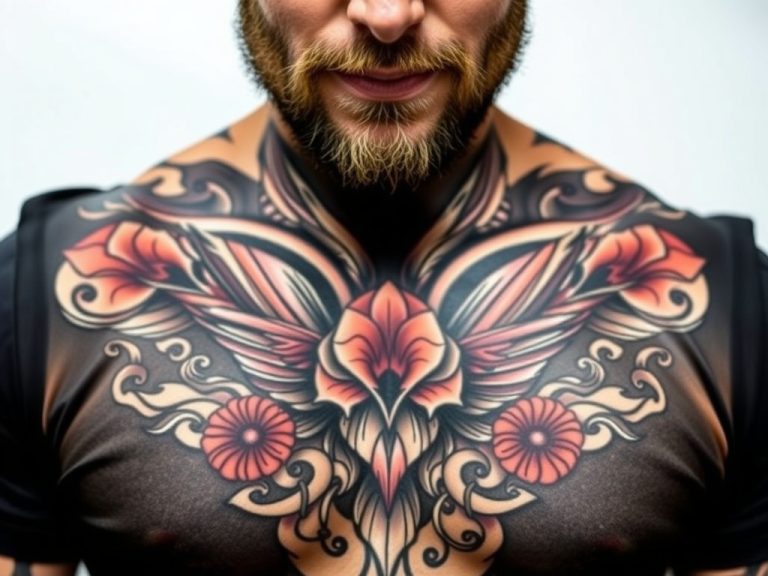
Tattoo Design Course Techniques Explained
Introduction
In my experience with Tattoo Design Course Techniques Explained, I’ve been researching how different methods can truly elevate a tattoo artist’s skills and attract more clients. When I first started exploring this topic, I realized that understanding effective techniques is key to creating unique, eye-catching designs that stand out in a competitive market. I want to share what I’ve learned about Tattoo Design Course Techniques Explained because I believe mastering these methods can make a significant difference in our careers.
From what I’ve discovered, the right techniques not only improve your technical proficiency but also help you develop your personal style. I’ve found that many artists underestimate the importance of structured learning and consistent practice, which are essential parts of Tattoo Design Course Techniques Explained. With this guide, I hope to give you a clearer understanding of proven methods that can truly elevate your skills and attract more clients.
Mastering Fundamental Techniques in Tattoo Design
Understanding Basic Line Work and Shapes
In my journey, I’ve discovered that mastering basic line work is the foundation of any good tattoo artist. When I first studied Tattoo Design Course Techniques Explained, I realized that clean, consistent lines are crucial for creating sharp, professional designs. I recommend starting with simple shapes and practicing steady hand control—this builds muscle memory and confidence. From my experience, dedicating time to fundamental line work improves overall precision and makes complex designs easier to execute later.
I’ve found that a lot of beginners rush through these basics, but I believe taking the time to perfect your line work pays off in the long run. Tattoo Design Course Techniques Explained often emphasize slow, deliberate strokes and proper grip techniques. From what I’ve learned, investing in this foundational skill helps you develop better shading, coloring, and detailing, which are essential for attracting clients seeking high-quality work.
Developing a Steady Hand and Precision
From my research on Tattoo Design Course Techniques Explained, I’ve seen that developing a steady hand is one of the most crucial skills. When I practiced, I used simple drills to improve my control, like drawing repetitive lines and curves. I believe that consistent practice with these drills enhances your ability to produce clean, precise tattoos, which is a major selling point for clients.
I recommend setting aside time daily for hand stabilization exercises and working on small, detailed designs. Over time, I’ve found that this not only boosts confidence but also helps in managing long tattoo sessions with less fatigue. From what I’ve learned, mastering these techniques through Tattoo Design Course Techniques Explained ultimately leads to more consistent results and happier clients.
Shading and Coloring Techniques
In my experience, shading and coloring are where many artists either excel or struggle. I’ve found that understanding light source, gradient transitions, and color blending are essential components of Tattoo Design Course Techniques Explained. I recommend practicing shading on different textures and skin tones to develop versatility. From what I’ve learned, effective shading adds depth and realism to your designs, making them more appealing to potential clients.
I’ve also discovered that patience and gradual layering are key. Rushing through shading can lead to uneven results, so I advise taking your time and building up tones gradually. Based on my experience with Tattoo Design Course Techniques Explained, mastering these techniques can dramatically improve your work quality and attract clients who are looking for detailed, professional tattoos.
Advanced Tattoo Design Course Techniques Explained
Incorporating New Styles and Trends
From what I’ve learned about Tattoo Design Course Techniques Explained, staying current with emerging styles is vital for standing out. I’ve experimented with styles like watercolor, geometric, and illustrative tattoos, and I believe that understanding the fundamentals allows you to adapt these trends creatively. I recommend studying successful artists who excel in these styles and practicing their techniques regularly.
In my experience, integrating new styles requires patience and a willingness to learn different tools and methods. I’ve found that blending traditional techniques with innovative trends can set your portfolio apart and attract a broader range of clients. Tattoo Design Course Techniques Explained often highlight the importance of versatility, so I suggest dedicating time to mastering each new style you wish to incorporate into your repertoire.
Digital Tools and Design Software
One of the most exciting advancements I’ve come across in Tattoo Design Course Techniques Explained is the use of digital design tools. I’ve found that programs like Adobe Photoshop and Procreate can help you create detailed mock-ups and experiment with color schemes before tattooing. I recommend learning these tools to streamline your design process and communicate ideas clearly to clients.
From my experience, integrating digital techniques with traditional skills can boost your efficiency and precision. I’ve also noticed that many clients appreciate seeing digital previews, which can help you secure more bookings. I believe that mastering digital design, as part of Tattoo Design Course Techniques Explained, is a valuable skill for modern tattoo artists aiming to stay competitive and attract a tech-savvy clientele.
Client Consultation and Custom Design Techniques
In my opinion, effective communication is as important as technical skill. During my research on Tattoo Design Course Techniques Explained, I’ve learned that customizing designs based on client preferences requires a keen understanding of their vision. I recommend developing your listening skills and asking the right questions to craft personalized pieces that truly resonate.
I’ve found that sketching preliminary ideas and explaining your process builds trust and encourages clients to return. From what I’ve experienced, adopting professional consultation techniques enhances your reputation and helps you attract more clients seeking bespoke tattoos. Tattoo Design Course Techniques Explained emphasizes that combining artistic skill with excellent communication is essential for success.
Incorporating Creativity and Style
Developing Your Unique Artistic Voice
In my journey, I’ve learned that developing a unique style is crucial to standing out. I’ve discovered that studying various art forms and experimenting with different techniques helps shape my artistic voice. I believe that Tattoo Design Course Techniques Explained often encourages artists to find inspiration from diverse sources and incorporate personal elements into their work.
From my experience, regularly challenging yourself with new projects and seeking feedback from peers accelerates your growth. I recommend maintaining a sketchbook and documenting your progress, which helps refine your style over time. I believe that a distinctive artistic voice attracts clients seeking original, personalized tattoos, making mastery of Tattoo Design Course Techniques Explained an ongoing journey of exploration and self-expression.
Designing for Different Body Types
In my experience with Tattoo Design Course Techniques Explained, understanding how designs flow with different body contours is vital. I’ve found that customizing your artwork to fit the anatomy enhances both the aesthetic and the longevity of the tattoo. I recommend studying anatomy and practicing on mock-up skins to see how your designs translate onto real bodies.
From what I’ve learned, adjusting size, placement, and detail based on body shape can greatly improve client satisfaction. I believe that paying attention to these details is part of Tattoo Design Course Techniques Explained that elevates your professionalism. Incorporating this knowledge into your technique repertoire will help you attract demanding clients who value precision and thoughtful design.
Resources and Further Learning
Online Courses and Tutorials
In my experience, continuing education is essential to mastering Tattoo Design Course Techniques Explained. I recommend enrolling in reputable online courses that focus on both fundamentals and advanced techniques. Platforms like Skillshare, Udemy, and dedicated tattoo schools offer tutorials that I’ve found incredibly helpful for expanding my skill set.
From what I’ve seen, consistent practice along with these resources accelerates your learning curve. I’ve personally benefited from following step-by-step tutorials and applying new methods in my work. Incorporating online learning into your routine, as emphasized in Tattoo Design Course Techniques Explained, helps you stay current with industry trends and techniques.
Mentorship and Apprenticeships
In my experience, learning directly from experienced artists provides invaluable insights. I’ve sought out mentors who excel in Tattoo Design Course Techniques Explained because I believe hands-on guidance accelerates skill development. I recommend reaching out to local studios or joining apprenticeship programs to observe and learn in real-time.
From my journey, I’ve found that mentorship not only improves technical skills but also teaches professionalism and business practices. I believe that building relationships in the tattoo community and learning from seasoned professionals is one of the best ways to master Tattoo Design Course Techniques Explained effectively and attract more clients through proven craftsmanship.
References and Resources
Throughout my research on Tattoo Design Course Techniques Explained, I’ve found these resources incredibly valuable. I recommend checking them out for additional insights:
Authoritative Sources on Tattoo Design Course Techniques Explained
-
Tattoo.com
tattoo.comA comprehensive resource covering modern tattoo techniques, styles, and industry standards. It offers tutorials and expert advice that align with Tattoo Design Course Techniques Explained.
-
Body Art United
bodyartunited.comA professional association providing resources, tutorials, and industry standards to help artists improve Tattoo Design Course Techniques Explained.
-
Tattoo Education
tattooeducation.comOffers courses and articles focusing on technical skills and artistic development, directly supporting Tattoo Design Course Techniques Explained.
-
ArtStation
artstation.comA platform for artists to showcase their work, learn new styles, and draw inspiration—an excellent resource for Tattoo Design Course Techniques Explained.
-
Tattoo Insider
tattooinsider.comProvides industry news, techniques, and interviews with top artists, helping me stay updated on Tattoo Design Course Techniques Explained.
-
Tattoo Journal
tattoojournal.comOffers in-depth articles on tattoo styles, techniques, and industry trends that complement the insights on Tattoo Design Course Techniques Explained.
-
Reddit – r/tattoos
reddit.comCommunity discussions, tips, and shared experiences that give practical insights into Tattoo Design Course Techniques Explained.

Frequently Asked Questions
Frequently Asked Questions
What are the most important Tattoo Design Course Techniques Explained for beginners?
In my experience, the most important techniques involve mastering clean line work, shading, and understanding skin anatomy. I recommend starting with basic drills and gradually progressing to more complex designs. Tattoo Design Course Techniques Explained emphasize building a strong foundation, which is crucial for long-term success.
How can I improve my Tattoo Design Course Techniques Explained skills quickly?
From my perspective, consistent practice and seeking feedback from experienced artists are the fastest ways to improve. I also recommend studying tutorials and applying new techniques regularly. Tattoo Design Course Techniques Explained highlight the importance of dedication and continuous learning for rapid growth.
What advanced Tattoo Design Course Techniques Explained should I focus on after mastering basics?
After mastering the fundamentals, I recommend exploring new styles like watercolor, realism, or geometric designs. I’ve found that experimenting with digital tools and client consultation techniques also elevates your craft. The Tattoo Design Course Techniques Explained resource offers great guidance for making this transition smoothly.
How important is understanding skin anatomy for Tattoo Design Course Techniques Explained?
I believe understanding skin anatomy is fundamental. It influences how designs are placed, how ink settles, and how the tattoo ages. I’ve seen that artists who study anatomy and practice on mock-up skins tend to produce more harmonious and durable tattoos, which in turn attracts more clients. <a href="#INTERNAL_LINK_Tattoo Design Course Techniques Explained is essential for developing this knowledge.
Conclusion
In conclusion, my research on Tattoo Design Course Techniques Explained has shown that mastering fundamental skills like line work, shading, and client communication creates a solid foundation for any aspiring tattoo artist. I believe that continuously exploring advanced techniques and staying inspired are key to standing out in this creative industry. I hope this Tattoo Design Course Techniques Explained guide helps you develop your skills and attract more clients by emphasizing quality, versatility, and personal style. Based on my experience, consistent practice and a passion for learning will lead you to success in tattoo artistry.

Find out more information about „Tattoo Design Course Techniques Explained“
Search for more resources and information: