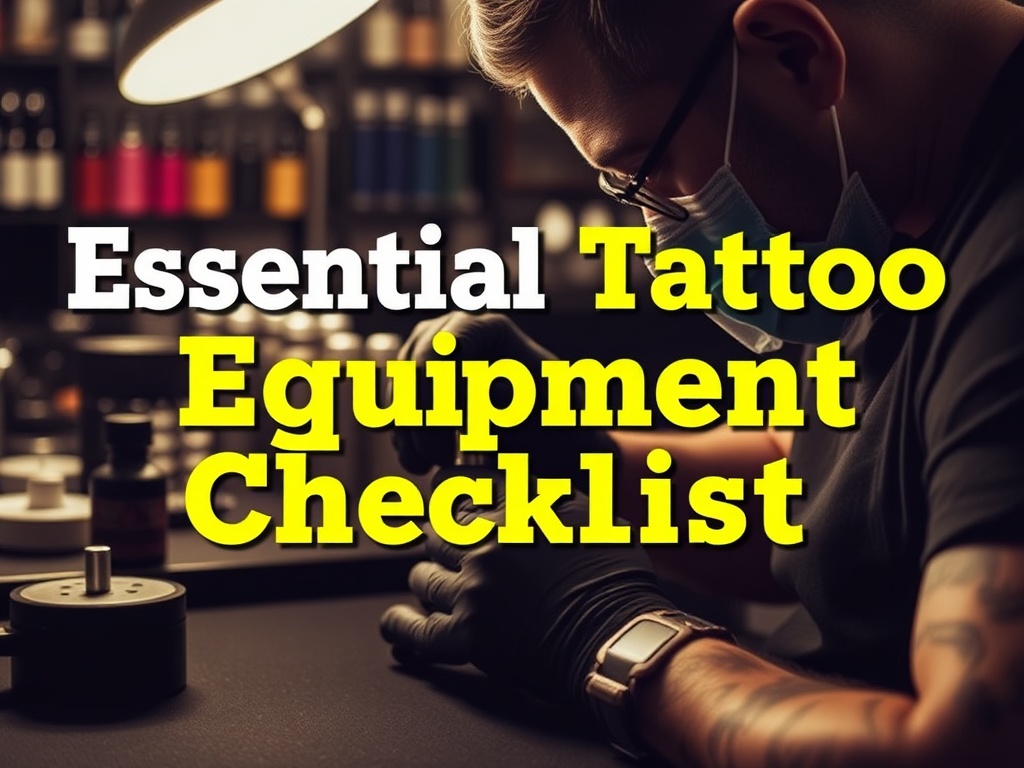
Embarking on your journey as a tattoo artist is an exciting adventure filled with creativity and skill. But before you can create stunning body art, it’s crucial to gather the right tools of the trade. This tattoo equipment checklist for beginners is your comprehensive guide to must-have supplies, expert buying tips, and practical examples. Let’s set you up for success!
Table of Contents
- Why Quality Tattoo Equipment Matters
- Tattoo Machines: Coil vs. Rotary
- Tattoo Needles: Types & Sizing
- Power Supplies & Foot Pedals
- Grips, Tubes, and Tips
- Tattoo Ink and Ink Caps
- Hygiene and Safety Supplies
- Stencil Supplies
- Practice Skins and Training Materials
- Case Studies: Learning from Real Beginners
- How to Choose the Best Tattoo Supplies
- Actionable Takeaways for New Tattoo Artists
Why Quality Tattoo Equipment Matters
Investing in high-quality tattoo equipment is not just about delivering better results—it’s about safety, reliability, and building a trustworthy reputation. Inferior supplies can lead to poor performance, increased risk of infection, and even legal issues. As a beginner, start with equipment that meets industry standards and is sourced from reputable suppliers. For further insights, check out our Beginner Tattoo Artist Guide.
Tattoo Machines: Coil vs. Rotary
Your tattoo machine is the heart of your toolkit. There are two main types:
- Coil Machines: The classic choice, favored for their power and customizability. They’re ideal for lining and shading but can be heavier and require more maintenance.
- Rotary Machines: Lightweight, versatile, and often quieter. Many beginners prefer rotary machines for their ease of use and consistent performance.
Example: Many apprentices start with an affordable rotary kit like the Dragonhawk Mast, known for reliability and smooth operation.
What to Look For When Buying
- Adjustability for lining and shading
- Compatibility with standard needles and cartridges
- Comfortable grip and manageable weight
Tattoo Needles: Types & Sizing
Needles come in a range of configurations, each suited for specific tasks:
- Liners (RL): For outlining
- Shaders (RS, M1, M2): For shading and coloring
- Magnums (MG): For filling larger areas
As a beginner, start with a variety pack to experiment with different techniques. Always use single-use, pre-sterilized needles to ensure safety.
Buying Tips
- Choose needles from reputable brands (e.g., Cheyenne, Kwadron)
- Check for sterile packaging and expiration dates
Power Supplies & Foot Pedals
A reliable power supply ensures your machine runs smoothly. Look for digital power supplies with adjustable voltage for greater control. Foot pedals and clip cords complete the setup.
- Pro Tip: Invest in a backup foot pedal—malfunctions happen!
Grips, Tubes, and Tips
Comfortable grips reduce hand fatigue during long sessions. Use disposable or autoclavable tubes and tips for hygiene. Many artists use ergonomic silicone grips for better control.
Case Example
Apprentice artist Alex switched to thicker, padded grips after experiencing hand cramps. The change improved both comfort and precision.
Tattoo Ink and Ink Caps
High-quality tattoo ink is essential for vibrant, lasting tattoos. Start with basic colors from trusted brands like Intenze or Eternal Ink. Use disposable ink caps to prevent contamination.
Buying Tips
- Buy starter sets to experiment with colors
- Always check ink safety certifications
Hygiene and Safety Supplies
Maintaining a sterile environment is non-negotiable. Your tattoo supplies for beginners must include:
- Sterile gloves (nitrile or latex-free)
- Disposable aprons and barriers
- Autoclave (for reusable equipment)
- Surface disinfectant sprays
- Sharps containers
- Single-use razors for skin prep
Learn more about hygiene and aftercare in our Tattoo Aftercare Best Practices.
Stencil Supplies
Transferring your design accurately is key. Essential stencil supplies include:
- Stencil paper (Spirit or equivalent)
- Stencil transfer gel
- Skin markers for freehand work
Practical Example
Artist Maya uses Stencil Stuff for crisp, long-lasting transfers—especially helpful when working on large, detailed pieces.
Practice Skins and Training Materials
Before working on real skin, use practice skins to develop control and technique. Synthetic skins mimic human texture and are perfect for beginners. Supplement with sketchbooks and online tutorials for holistic learning.
Case Studies: Learning from Real Beginners
Case Study 1: Building a Starter Kit on a Budget
Sam, a recent apprentice, built a functional tattoo kit for under $500. By prioritizing rotary machines and buying secondhand autoclaves, Sam managed to balance quality and cost. Over time, Sam upgraded to more advanced equipment as skills improved.
Case Study 2: Avoiding Common Mistakes
Jess started with a cheap online kit, only to discover that low-quality needles and ink led to poor results and skin irritation. After consulting mentors and reading expert guides, Jess rebuilt the kit with reputable brands, leading to safer tattoos and better client feedback.
How to Choose the Best Tattoo Supplies
- Research Brands: Join online forums and follow experienced artists for recommendations.
- Check for Certifications: Ensure supplies meet health and safety standards in your region.
- Start Simple: Avoid overwhelming yourself with unnecessary gadgets. Focus on essentials.
- Build Gradually: Upgrade your toolkit as your skills and client base grow.
For a deeper dive, read our Guide to Choosing Tattoo Machines.
Actionable Takeaways for New Tattoo Artists
- Invest in quality over quantity—reliable tools make a difference.
- Stay updated on industry standards and safety regulations.
- Practice extensively on synthetic skin before tattooing clients.
- Build relationships with reputable suppliers for better deals and support.
- Never compromise on hygiene and sterilization.
Conclusion
With the right tattoo equipment checklist, you’re well on your way to launching a safe and successful tattooing career. Start with the essentials, learn from real-world examples, and always prioritize quality and safety. For more beginner resources, explore our Beginner Tattoo Artist Guide and Tattoo Aftercare Best Practices.