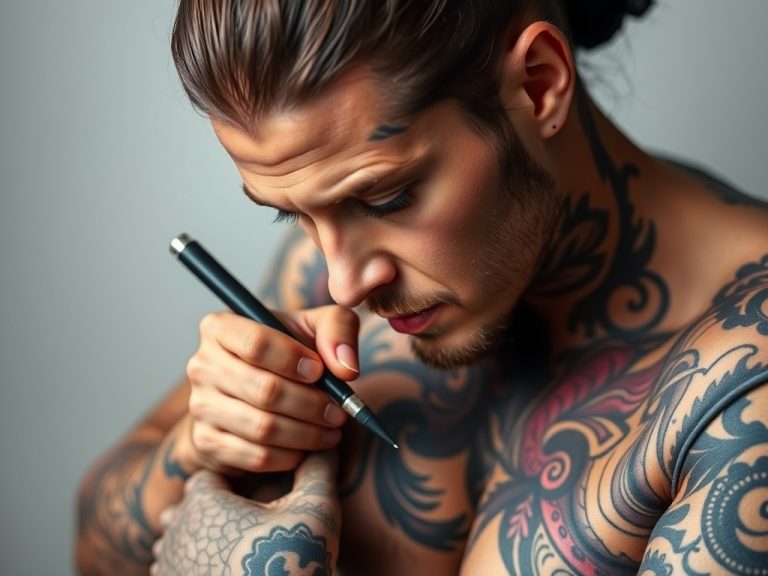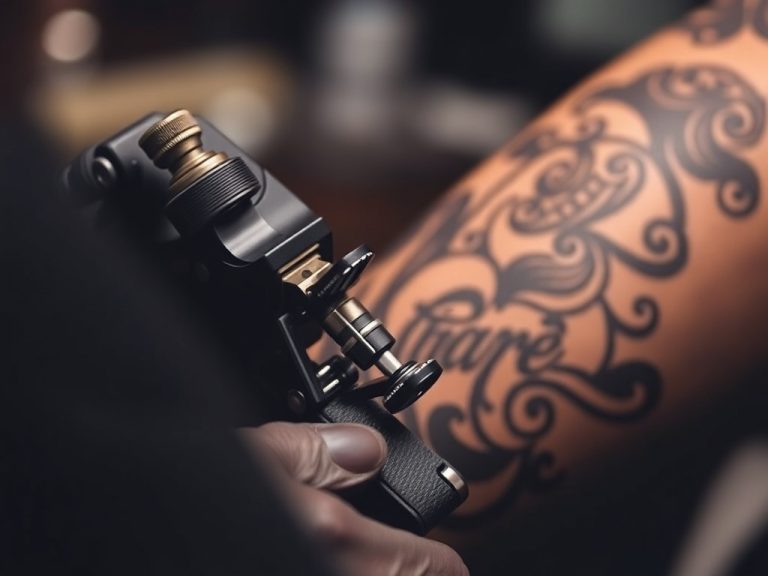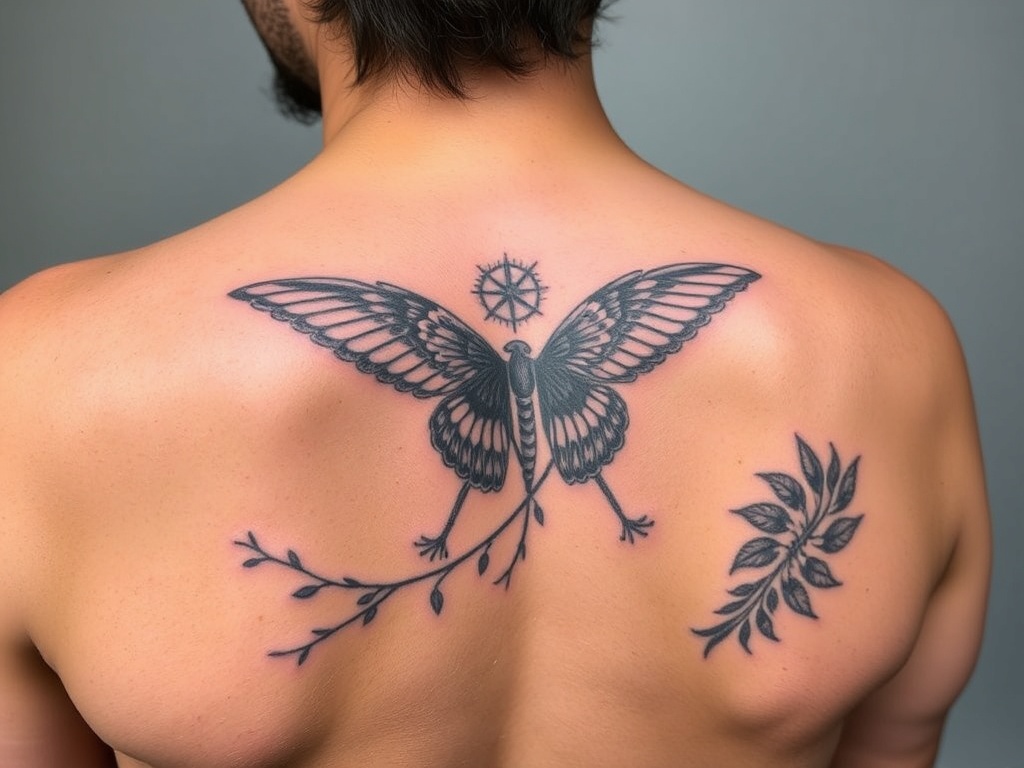
Tattoo cover-ups and reworks are transformative solutions for anyone looking to refresh, hide, or completely replace an old tattoo. Whether you’re dealing with a faded design, an unwanted memory, or simply outgrown artwork, modern cover-up techniques offer endless possibilities. In this comprehensive guide, we’ll explore step-by-step planning, expert cover-up techniques, practical examples, and inspiring success stories—plus actionable advice for your own tattoo journey.
Table of Contents
- Why Consider a Tattoo Cover-Up or Rework?
- Planning the Perfect Tattoo Cover-Up
- Choosing the Right Artist
- Cover-Up Techniques and Approaches
- Tattoo Rework vs. Cover-Up: What’s the Difference?
- Case Studies: Successful Cover-Ups and Reworks
- Preparing for Your Cover-Up Session
- Aftercare and Long-Term Results
- Actionable Takeaways
- FAQ: Tattoo Cover-Ups & Reworks
Why Consider a Tattoo Cover-Up or Rework?
Tastes change, relationships evolve, and sometimes tattoos no longer fit who you are. Common reasons for seeking a tattoo cover up or rework include:
- Regret or Change in Meaning: The original tattoo may represent something you’ve outgrown.
- Faded or Poor Quality Artwork: Over time, tattoos can blur, fade, or lose their vibrancy.
- Unskilled Application: Amateur work or mistakes can often be fixed or hidden.
- Personal Transformation: Life changes, such as a career shift or new beginnings, may prompt a new design.
For more on deciding what tattoo style fits your current self, see our guide to choosing tattoo styles.
Planning the Perfect Tattoo Cover-Up
Successful tattoo cover-ups require careful planning. Here’s how to set yourself up for the best results:
- Assess the Old Tattoo: Consider size, placement, color saturation, and scarring.
- Gather Inspiration: Collect images of styles, themes, or motifs you love.
- Consult with an Expert: Schedule a consultation with a tattoo artist experienced in cover ups.
- Be Open to Suggestions: The artist may have creative ideas for designs that will work with your existing ink.
- Consider Laser Fading: For especially dark or dense tattoos, a few sessions of laser tattoo removal can make the cover up more flexible.
Tip: The most successful cover-ups are often larger and more detailed than the original tattoo.
Choosing the Right Artist
Tattoo cover ups and reworks are specialized skills. Not every artist excels at them. Look for:
- Portfolio Examples: Review before-and-after photos of previous cover up work.
- Experience with Challenging Cases: Artists who’ve worked with various skin tones, scar tissue, and difficult placements.
- Consultation Willingness: A good artist will listen to your needs and explain their process.
- Positive Reviews: Feedback from clients with similar cover up or rework needs.
See our comprehensive guide on choosing a tattoo artist for more tips.
Cover-Up Techniques and Approaches
Cover-up techniques have evolved dramatically. The right method depends on the existing tattoo and your goals. Common cover up techniques include:
- Color Packing: Using dense, vibrant colors to mask the old design.
- Layering and Shading: Building depth and complexity to distract from the underlying tattoo.
- Negative Space: Incorporating elements of the old tattoo into the new design creatively.
- Textural Elements: Adding patterns, textures, or abstract elements to break up the original lines.
- Selective Laser Fading: Lightening parts of the old tattoo to increase design flexibility.
In some cases, artists blend multiple techniques for a seamless result. For more about the science behind tattoo pigments, visit our tattoo ink guide.
Tattoo Rework vs. Cover-Up: What’s the Difference?
It’s important to understand the distinction between a tattoo rework and a full cover up:
- Tattoo Cover Up: Involves applying a new design over the old one, often making the previous tattoo completely unrecognizable.
- Tattoo Rework: Enhances, refreshes, or fixes the existing tattoo without fully covering it. This may include color boosting, adding detail, or correcting lines.
Some tattoos benefit from a combination of both approaches, depending on the condition of the ink and your desired outcome.
Case Studies: Successful Cover-Ups and Reworks
Case Study 1: From Faded Name to Vibrant Lotus
- Before: A small, faded name on the wrist, no longer meaningful to the client.
- After: Transformed into a detailed lotus flower, incorporating the old lines into the new petals for a seamless effect.
- Technique Used: Layering, negative space, and color packing.
Case Study 2: Reworking a Tribal Arm Band
- Before: Outdated tribal design with patchy ink.
- After: Enhanced with bold color fills, cleaned up edges, and added geometric accents, turning an outdated tattoo into a modern sleeve element.
- Technique Used: Rework, line correction, and shading.
Case Study 3: Full Cover Up of a Teenage Mistake
- Before: Cartoon character tattooed during teenage years, now faded and unwanted.
- After: Covered with a realistic landscape, using deep blues and greens to conceal the old design entirely.
- Technique Used: Color packing, layering, and selective laser fading before tattooing.
For more visual examples, explore our tattoo cover up gallery.
Preparing for Your Cover-Up Session
Preparation is key to a successful tattoo cover-up or rework:
- Hydrate and Moisturize: Healthy skin holds ink better and heals faster.
- Avoid Sun Exposure: Tanned or burned skin is harder to tattoo and may affect results.
- Discuss Allergies and Sensitivities: Let your artist know about any skin sensitivities or allergies to tattoo inks.
- Plan for Multiple Sessions: Complex cover ups may require more than one appointment.
Aftercare and Long-Term Results
Proper aftercare ensures the longevity and vibrancy of your new tattoo:
- Follow your artist’s aftercare instructions closely.
- Keep the area clean and moisturized.
- Avoid direct sunlight during the healing process.
- Schedule touch-ups if needed, especially for large or layered designs.
For a detailed aftercare regimen, check out our tattoo aftercare guide.
Actionable Takeaways
- Consult with a tattoo artist experienced in cover up techniques before deciding on your design.
- Be realistic about what’s possible—some tattoos may require laser fading first.
- Gather inspiration, but stay open to your artist’s creative input.
- Prepare your skin and plan for multiple sessions if necessary.
- Follow aftercare instructions diligently for the best long-term results.
FAQ: Tattoo Cover-Ups & Reworks
- Can any tattoo be covered up?
- Most tattoos can be covered up, but results depend on size, color, and placement. Sometimes laser fading is recommended first.
- Are cover-up tattoos more painful?
- Cover-ups can be more uncomfortable, especially if dense color packing or layering is required, but pain varies by location and individual tolerance.
- How long do cover-up tattoos take to heal?
- Healing time is similar to regular tattoos, but multiple sessions may extend the overall process.
- Can you cover up a black tattoo with color?
- Yes, with the right techniques, but it may require strategic design and sometimes laser fading for best results.
Thinking about a tattoo cover up or rework? Book a consultation with a trusted artist and start your transformation today. For more expert advice, browse our articles on tattoo removal options and choosing the right tattoo style.