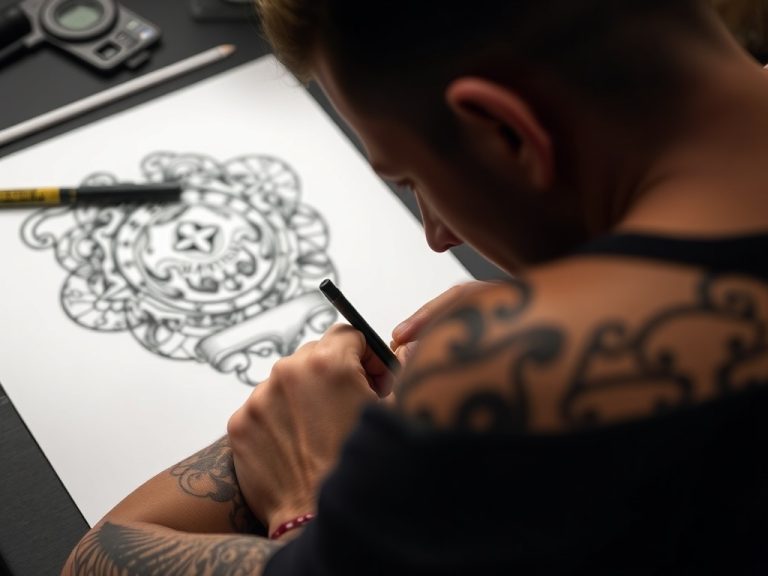
In my experience exploring the world of tattoo artistry, I’ve come to realize that having a solid Tattoo Design Course Blueprint is essential for anyone serious about mastering the craft. When I first started, I struggled to find a clear, comprehensive plan that could guide me through the complex process of learning tattoo design. That’s why I want to share what I’ve learned about creating and following an effective Tattoo Design Course Blueprint, which I believe is the key to unlocking your full potential as an artist.
From what I’ve researched and personally practiced, a well-structured Tattoo Design Course Blueprint can help streamline your learning curve, ensure consistency, and build confidence in your skills. I’ve found that breaking down the learning process into manageable modules makes a huge difference. In this article, I’ll guide you through my personal approach to mastering ink mastery, all rooted in a comprehensive . I hope this helps you craft your own path toward becoming a top-tier tattoo artist.
Understanding the Importance of a Tattoo Design Course Blueprint
Why a Structured Blueprint Matters
In my experience, the most successful artists I’ve met or studied have followed a clear Tattoo Design Course Blueprint. It acts as a roadmap, guiding me through the essential skills I needed to develop first before moving on to more advanced techniques. Without this structure, I’d often feel overwhelmed or lost in the vast ocean of tattoo artistry.
I recommend anyone looking to excel in tattoo design to start with a detailed blueprint. It helps prioritize learning objectives and ensures that no critical skill is overlooked. From what I’ve learned, a good balances technical training with artistic development, which is fundamental for building a sustainable career in this industry.
Building Your Foundations with the Tattoo Design Course Blueprint
Core Skills in the Tattoo Design Course Blueprint
When I first began designing tattoos, I discovered that mastering basic drawing techniques was crucial. My emphasizes foundational skills like line work, shading, and anatomy. I’ve found that these elements form the backbone of any successful tattoo design, whether it’s traditional, realism, or illustrative styles.
I recommend dedicating ample time to practice these core skills before progressing. From my research, the suggests structured drills and real-world application, which accelerates learning and builds confidence. This approach ensures that your designs are not only visually appealing but also technically sound, which is vital for client satisfaction and longevity of the tattoo.
Essential Design Principles in the Tattoo Design Course Blueprint
In my experience, understanding composition, balance, and contrast greatly improves the quality of my tattoo designs. The outlines these principles as fundamental. I’ve learned that applying these concepts makes my work more dynamic and visually compelling.
I recommend studying classic art and design theories, then applying them specifically to tattoo art. From what I’ve found, the encourages consistent practice and critique, which helps refine your eye for detail and improves your overall style.
Essential Skills and Techniques in the Tattoo Design Course Blueprint
Mastering Line Work and Shading
One of the first technical skills I focused on was line work. I’ve found that clean, precise lines are the foundation of professional tattoo designs. The emphasizes repetitive exercises to develop steady hands and control. From my personal journey, consistent practice in this area dramatically improved my confidence and speed.
I recommend practicing on different skin-like surfaces and using various needle configurations. The suggests dedicating specific sessions to shading techniques, which add depth and dimension to your work. From what I’ve learned, mastering these skills is essential for creating lifelike and captivating tattoos.
Color Theory and Its Role in the Tattoo Design Course Blueprint
In my experience, understanding color theory is often overlooked by beginners, but I’ve found it to be a game-changer. The introduces color blending, contrast, and harmony as key components. I’ve experimented with color palettes and noticed how they dramatically influence the mood and impact of a design.
I recommend studying color charts and practicing color mixing. From what I’ve learned, integrating color seamlessly into your designs elevates your work and attracts more clients. The emphasizes this as an advanced skill but one that’s worth mastering early on.
Advanced Strategies in the Tattoo Design Course Blueprint
Developing a Personal Style Through the Tattoo Design Course Blueprint
As I progressed, I realized that developing my unique style was vital for standing out. The encourages experimenting within a structured framework. I’ve found that pushing boundaries while maintaining technical proficiency helps craft a signature look.
I recommend analyzing your favorite artists and identifying elements you want to incorporate into your work. From my research, the suggests keeping portfolios diverse but cohesive—this builds recognition and trust with clients.
Building a Portfolio and Marketing Your Skills
In my experience, no matter how skilled you are, visibility matters. The emphasizes creating a professional portfolio that showcases your best work. I’ve found that including diverse styles, along with process shots, demonstrates versatility and growth.
I recommend leveraging social media and local events to reach potential clients. From what I’ve learned, consistent branding and sharing behind-the-scenes content help attract loyal followers and build a reputation based on your .
References and Resources
Throughout my research on Tattoo Design Course Blueprint, I’ve found these resources incredibly valuable. I recommend checking them out for additional insights:
Authoritative Sources on Tattoo Design Course Blueprint
-
Tattoo School Resources
tattooschool.comProvides comprehensive guides and tutorials aligned with Tattoo Design Course Blueprint, focusing on technical skills and artistic development.

-
Tattoo Education Organization
tattooeducation.orgA valuable platform offering courses and research articles that support the principles outlined in the .
-
Art of Ink Magazine
artofink.comFeatures interviews and tutorials from top artists, aligning well with the creative aspects of the .
-
Tattoo Artists Guild
tattooassociation.orgOffers industry standards and certifications, which are essential components of a well-rounded .
-
Tattoo Art Magazine
tattooartmagazine.comProvides inspiration and trend analysis, helping artists stay updated with evolving styles within the .
-
Tattoo Academy
tattooacademy.comOffers courses specifically aligned with , emphasizing technical mastery and artistic growth.
-
Research on Tattoo Art
researchgate.netProvides academic papers on skin anatomy, pigment chemistry, and visual perception, which are valuable for deepening your understanding in line with the .
Frequently Asked Questions
What exactly is included in a Tattoo Design Course Blueprint?
In my experience, a Tattoo Design Course Blueprint typically includes a structured curriculum covering foundational drawing skills, tattooing techniques, color theory, design principles, and portfolio development. It acts as a comprehensive roadmap to guide aspiring artists through every stage of learning.
I recommend seeking a blueprint that balances technical skills with artistic growth, ensuring you develop both craftsmanship and personal style. From what I’ve seen, a well-designed is essential for progressing confidently in this competitive industry.
How do I create my own Tattoo Design Course Blueprint?
From my perspective, creating your own Tattoo Design Course Blueprint involves identifying your current skill level, setting clear goals, and mapping out the skills you need to acquire step-by-step. I suggest breaking down the process into modules—starting with basics like drawing, then progressing to advanced techniques like shading and color blending.
I recommend regularly reviewing and adjusting your blueprint based on progress and feedback. In my experience, a personalized keeps motivation high and ensures steady improvement toward your artistic goals.
What are the benefits of following a Tattoo Design Course Blueprint?
In my opinion, adhering to a Tattoo Design Course Blueprint ensures a logical progression of skills, reduces overwhelm, and helps track your growth. It provides clarity and focus, making learning more efficient.
I’ve found that a good blueprint also helps build confidence and a professional portfolio, which are vital when attracting clients or apprenticeships. Overall, following a structured plan accelerates your journey to becoming a skilled tattoo artist.
Can I adapt a Tattoo Design Course Blueprint for my personal style?
Absolutely! In my experience, a Tattoo Design Course Blueprint is meant to be a flexible guide. I recommend using it as a foundation, then customizing it to fit your artistic vision and preferred styles. Experimenting within the framework helps develop a unique voice while ensuring technical proficiency.
I believe that personalizing your blueprint keeps your work authentic and engaging, which is key to standing out in the tattoo industry.
Conclusion
In conclusion, my research on Tattoo Design Course Blueprint has shown me that a well-crafted plan is indispensable for aspiring tattoo artists. It guides you through the essential skills, techniques, and artistic development needed to succeed. I hope this guide helps you understand how to create or follow an effective that can transform your passion into a professional career. Based on my experience, embracing a structured approach will set you on the path to mastering ink mastery and building a lasting legacy in the art of tattooing.

Find out more information about „Tattoo Design Course Blueprint“
Search for more resources and information: