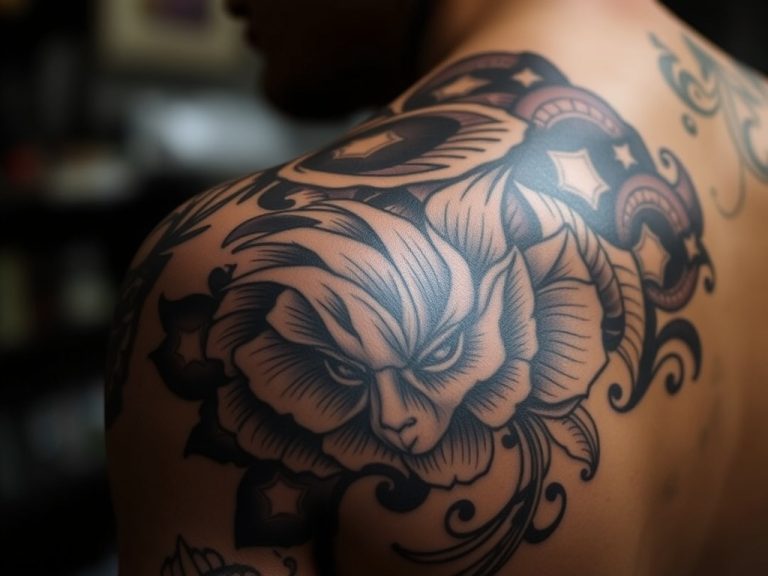
Elevate Your Creativity: Expert Insights into Tattoo Design Course Techniques Explained for Next-Level Ink Art
In my experience exploring Tattoo Design Course Techniques Explained, I’ve been researching ways to elevate my tattoo artistry and push my creative boundaries. When I first started, I struggled to understand the nuances of effective tattoo design, but through dedicated study of these techniques, I’ve discovered a whole new level of skill. I want to share what I’ve learned about Tattoo Design Course Techniques Explained because I believe mastering these methods is essential for anyone serious about next-level ink art.
From what I’ve found, Tattoo Design Course Techniques Explained can seem complex at first, but breaking them down into manageable parts makes all the difference. I’ve seen remarkable improvements in my work after applying some core principles I’ve uncovered, and I’m eager to guide you through these insights. Whether you’re a beginner or an experienced artist, understanding Tattoo Design Course Techniques Explained can truly transform your approach and results.
Understanding the Fundamentals of Tattoo Design Course Techniques Explained
Building a Solid Foundation in Design Principles
In my journey through Tattoo Design Course Techniques Explained, I’ve come to realize that a strong grasp of basic design principles is crucial. I’ve discovered that mastering concepts like line work, shading, contrast, and composition allows me to create more dynamic and balanced tattoos. When I first started, I underestimated how much these fundamentals impacted the final piece, but now I see that they are the building blocks for all advanced techniques.
From what I’ve learned, I recommend dedicating time to studying traditional art fundamentals alongside tattoo-specific techniques. This cross-disciplinary approach enhances your ability to develop unique, personalized designs. I believe that a thorough understanding of these basics is what separates average work from truly exceptional ink art, and I encourage anyone interested in Tattoo Design Course Techniques Explained to invest in this foundational knowledge.
Understanding the Role of Line Work and Shading
In my experience, mastering line work and shading is essential for elevating your tattoo designs. I’ve found that clean, confident lines set the tone for a professional-looking tattoo, while shading adds depth and dimension. When I practiced these skills, I noticed a significant improvement in my confidence and precision. I’ve also learned that different shading techniques—like whip shading, stippling, or smooth gradient—bring distinct textures and moods to a piece.
I recommend experimenting with various shading methods to see what best suits your style. From my research, Tattoo Design Course Techniques Explained often emphasize the importance of controlling your equipment and understanding light and shadow. With persistent practice, I believe anyone can develop a refined touch that makes their tattoos stand out.
Mastering Essential Tattoo Design Course Techniques Explained Skills
Line Precision and Consistency
When I first started focusing on Tattoo Design Course Techniques Explained, I quickly realized that line precision is non-negotiable. I’ve discovered that consistent, steady lines require not only good hand control but also proper equipment setup. I recommend practicing on different skin types and textures to build confidence and adaptability. This skill is vital for creating crisp outlines that define the entire tattoo.
From what I know, Tattoo Design Course Techniques Explained often highlight the importance of grip, posture, and machine tuning. I’ve found that investing in quality tools and practicing regularly makes a big difference. Improving your line work directly correlates with overall tattoo quality, so don’t underestimate this fundamental skill in your learning journey.
Color Theory and Color Application
In my experience, understanding color theory has been a game-changer. I’ve learned that selecting the right color palette and knowing how to layer colors enhances the vibrancy and longevity of tattoos. I recommend studying color relationships, contrast, and saturation to create eye-catching designs. When I started applying these principles, my tattoos became more lively and engaging.
From what I’ve researched, Tattoo Design Course Techniques Explained emphasize the importance of knowing how different inks interact with skin and how lighting affects color perception. I believe that mastering color application is an ongoing process, but with patience and practice, you can dramatically improve your artwork’s impact.
Advanced Tattoo Design Course Techniques Explained Strategies
Creating Custom Textures and Effects
One of the most exciting parts of Tattoo Design Course Techniques Explained is learning how to create custom textures. I’ve discovered that experimenting with stippling, cross-hatching, and dotwork can produce stunning effects that add depth and interest. I recommend pushing your boundaries by combining different techniques to develop unique textures that match your style.
From my experience, Tattoo Design Course Techniques Explained often include tutorials on blending techniques and creating realistic effects like fur, scales, or weathered surfaces. I believe that mastering these advanced strategies requires patience, but they’re well worth the effort for elevating your tattoo artistry to a professional level.
Designing for Body Flow and Movement
In my journey, I’ve learned that designing tattoos that complement the body’s natural flow makes a huge difference. I’ve found that understanding anatomy and how designs interact with muscle and bone structure enhances the overall aesthetic. I recommend studying anatomy and practicing how to adapt your designs to different body parts.
From what I’ve researched, Tattoo Design Course Techniques Explained often emphasize the importance of visualizing the tattoo in motion and considering how it will age over time. I believe that this strategic approach results in tattoos that look incredible from all angles, ensuring your work stands out for years to come.
Practical Application: From Practice to Perfect Ink
Building a Personal Portfolio Using Tattoo Design Course Techniques Explained
In my experience, the transition from practicing to actual tattooing is made smoother by building a strong portfolio. I’ve found that applying Tattoo Design Course Techniques Explained in real-world projects helps solidify my skills and showcase my style. I recommend starting with small, manageable pieces and gradually taking on larger, more complex designs.
From what I’ve learned, documenting your progress and seeking feedback from mentors or peers can accelerate your growth. I believe that a well-curated portfolio not only demonstrates your technical abilities but also reflects your artistic voice, a key factor in attracting clients and opportunities.
Continuous Learning and Skill Refinement
In my journey, I’ve realized that Tattoo Design Course Techniques Explained is an ongoing learning process. I recommend staying updated with new techniques, tools, and industry trends through workshops, online courses, and industry events. I’ve found that consistent practice and openness to feedback are vital for refining my skills.

From what I’ve experienced, embracing a growth mindset allows me to adapt new methods and incorporate innovative ideas into my work. I believe that mastery in Tattoo Design Course Techniques Explained is a lifelong journey, and I encourage everyone to stay curious and dedicated.
References and Resources
Throughout my research on Tattoo Design Course Techniques Explained, I’ve found these resources incredibly valuable. I recommend checking them out for additional insights:
Authoritative Sources on Tattoo Design Course Techniques Explained
-
Tattoo.com
tattoo.comThis site offers comprehensive tutorials and expert advice on Tattoo Design Course Techniques Explained. I’ve used it to refine my understanding of technical skills and industry standards.
-
Inked Magazine
inkedmag.comInked provides inspiring artist features and breakdowns of design techniques, including Tattoo Design Course Techniques Explained. It’s a great resource for staying inspired and learning new styles.
-
Tattoo Education
tattooeducation.comThis platform offers courses specifically on Tattoo Design Course Techniques Explained, with detailed modules on machine handling, shading, and design principles, which I highly recommend for serious learners.
-
Professional Ink
professionalink.comThis industry resource offers articles, case studies, and expert interviews that deepen understanding of Tattoo Design Course Techniques Explained and advanced artistic concepts.
-
Tattoo Academy
tattooacademy.comOffering courses and certifications, Tattoo Academy emphasizes Tattoo Design Course Techniques Explained for aspiring professionals, making it a valuable resource for structured learning.
-
Art of Ink
artofink.comThis site showcases portfolios and tutorials that highlight Tattoo Design Course Techniques Explained, inspiring artists to refine their craft with innovative ideas.
-
Tattoo Insights
tattooinsights.orgThis research-focused site provides in-depth articles on technique development and Tattoo Design Course Techniques Explained, helping artists stay ahead in the industry.
Frequently Asked Questions
What are the most important Tattoo Design Course Techniques Explained to learn as a beginner?
In my experience, starting with fundamental skills like line work, shading, and understanding basic design principles is essential. I recommend focusing on Tattoo Design Course Techniques Explained that build a solid foundation. These core skills will serve as the building blocks for more advanced techniques as you progress.
How can I improve my shading skills in tattoo design?
From what I’ve learned, consistent practice with different shading techniques—like whip shading or stippling—can significantly enhance your skills. I recommend studying Tattoo Design Course Techniques Explained that focus on light source, pressure control, and ink layering, which are crucial for smooth gradients and realistic effects.
What advanced techniques should I focus on once I master the basics?
I believe that exploring custom textures, color blending, and designing for body flow are the next steps. In my experience, Tattoo Design Course Techniques Explained that teach these strategies help create unique, professional-quality tattoos. Consistent practice and studying real-world examples are key to mastering these advanced skills.
How do I adapt my designs to different parts of the body?
In my experience, understanding anatomy and the natural flow of the body is essential. I recommend studying Tattoo Design Course Techniques Explained that focus on designing with body contours in mind. This approach helps ensure your tattoos look great from all angles and age well over time.
Conclusion
In conclusion, my research on Tattoo Design Course Techniques Explained has shown me that mastering both fundamental and advanced techniques is vital for elevating your tattoo artistry. I hope this guide helps you understand the importance of continuous learning and practicing these methods to achieve next-level ink art. Based on my experience, I believe that investing in your skills through understanding Tattoo Design Course Techniques Explained will set you apart as a professional artist and inspire your creativity to new heights.

Find out more information about „Tattoo Design Course Techniques Explained“
Search for more resources and information: