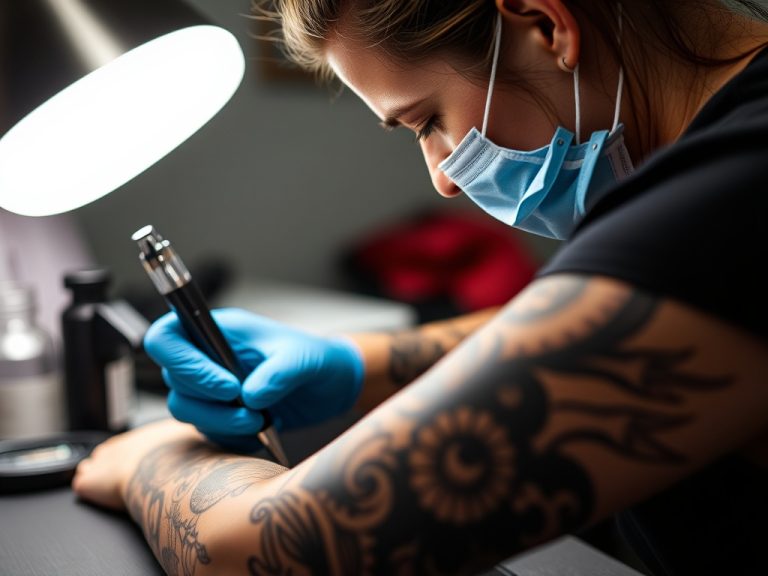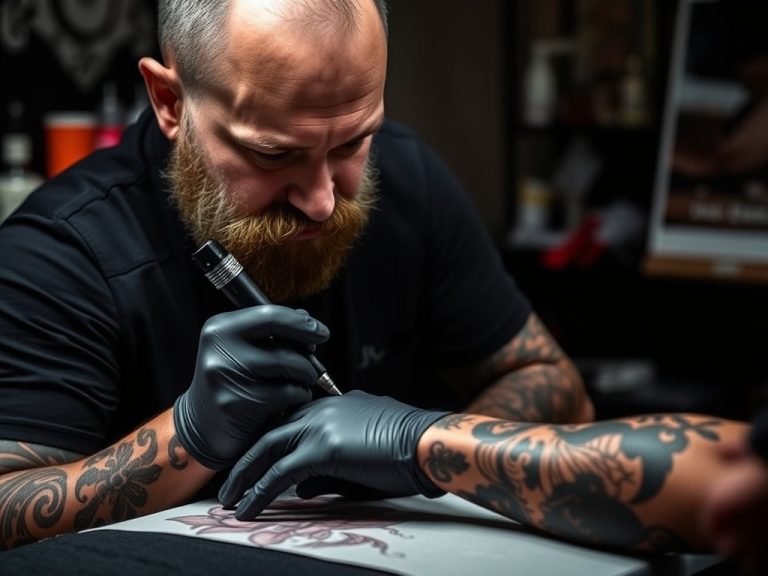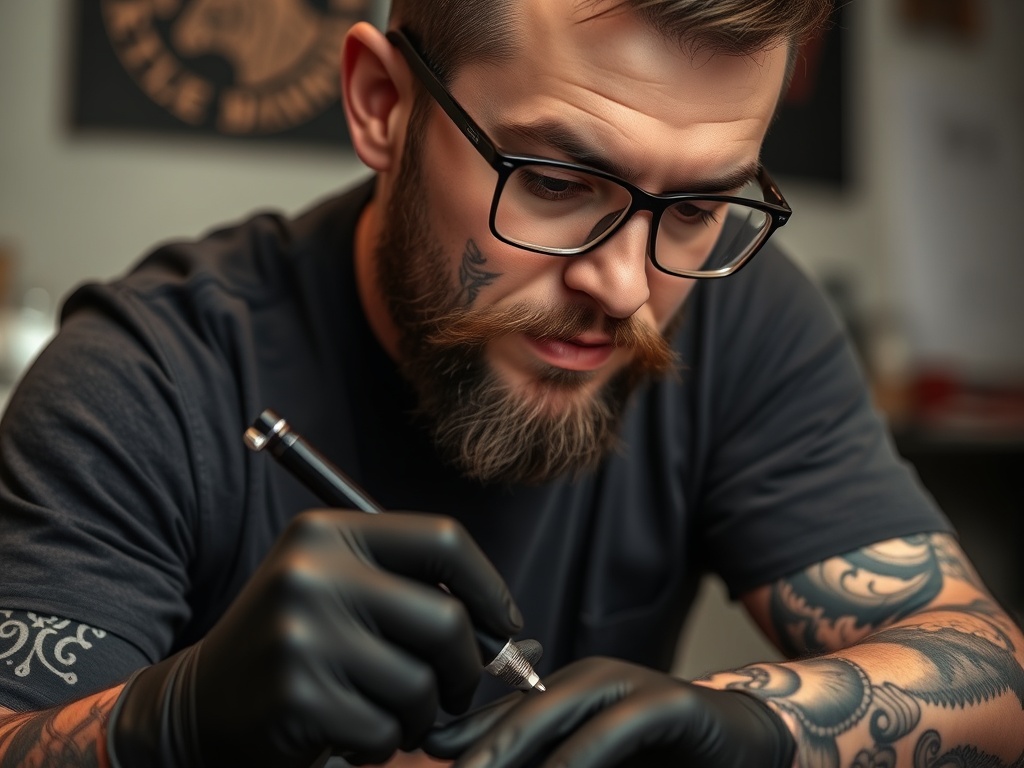
Choosing to pursue a career in tattooing is an exciting journey, but one that requires dedication, practice, and mentorship. For most aspiring artists, a tattoo apprenticeship is the first and most crucial step. This in-depth guide explores how to find and apply for a tattoo apprenticeship, what to expect, and how to thrive as a tattoo apprentice. Whether you’re just starting out or are ready to take the leap, you’ll find expert advice, actionable steps, and real-world insights to guide you forward.
Table of Contents
- Why Tattoo Apprenticeships Matter
- How to Find a Tattoo Apprenticeship
- Applying for a Tattoo Apprenticeship
- What to Expect During Your Apprenticeship
- Tips to Succeed as a Tattoo Apprentice
- Case Studies: Real Apprentice Experiences
- Actionable Takeaways
- FAQs
- Further Resources
1. Why Tattoo Apprenticeships Matter
Unlike many other crafts, tattooing is not something you can master through self-study alone. A tattoo apprenticeship provides:
- Hands-on training: Learn proper hygiene, equipment use, and technique directly from experienced artists.
- Industry standards: Understand health regulations, client communication, and shop etiquette.
- Portfolio development: Build a body of work under expert guidance.
- Networking: Make connections for future opportunities and collaborations.
Many reputable shops will only hire artists who have completed a formal apprenticeship. If you want to know how to become a tattoo artist and build a successful career, an apprenticeship is a must.
2. How to Find a Tattoo Apprenticeship
Research Local Tattoo Studios
Start by identifying reputable tattoo shops in your area. Look for:
- Licensed and clean shops with strong reviews
- Artists whose work and style you admire
- Shops that have a history of training apprentices
Browse social media, shop websites, and online forums. Visit in person to get a feel for the environment and observe the artists at work.
Build a Strong Art Portfolio
Your portfolio is your ticket in. Tattoo shops want to see evidence of your drawing skills and creativity. Include:
- High-quality sketches and finished pieces (focus on linework, shading, and color)
- Artwork in styles relevant to tattooing (traditional, realism, neo-traditional, etc.)
- Original designs and studies of classic tattoo motifs
- Any tattoo flash sheets you’ve created
Tip: Avoid submitting digital-only work. Many shops prefer to see hand-drawn pieces, as they better reflect your foundational skills.
Attend Conventions and Network
Tattoo conventions are excellent places to meet artists and shop owners. Bring your portfolio, ask for feedback, and express your interest in apprenticing. Even if immediate opportunities aren’t available, building relationships can open doors later.
Be Patient and Persistent
Securing an apprenticeship is competitive. Many artists apply several times before getting accepted. Stay persistent, keep improving your art, and continue networking.
3. Applying for a Tattoo Apprenticeship
Approach with Respect
When approaching a shop or artist, remember you’re requesting their time and mentorship. Be polite, professional, and respectful of their work and space. Avoid bringing friends or family when you visit to inquire.
Prepare Your Pitch
Introduce yourself, share your artistic background, and explain why you want to learn under them specifically. Highlight your commitment to the craft and willingness to work hard.
Portfolio Presentation Tips
- Bring a physical portfolio (preferably in a clean, professional binder)
- Be ready to discuss your artistic process and influences
- Ask for honest feedback, and accept criticism graciously
Understand the Commitment
Apprenticeships are a serious commitment, often lasting 1-3 years. Expect to:
- Work long hours (often unpaid, especially at first)
- Handle cleaning, organizing, and shop maintenance
- Study hygiene, safety, and theory before ever tattooing skin
Some apprenticeships may require you to pay a fee. Always clarify expectations and terms before agreeing.
Red Flags to Avoid
- Unlicensed or unsanitary shops
- Mentors who promise quick results or have little experience
- Shops unwilling to discuss health and safety protocols
4. What to Expect During Your Apprenticeship
Initial Phase: Observation and Shop Duties
Most apprenticeships begin with observation. You’ll spend time watching artists at work, learning about equipment, and performing shop tasks such as cleaning, sanitizing, and setting up workstations. This phase teaches you the importance of hygiene and shop organization.
Learning the Basics
Before you ever touch a tattoo machine, you’ll study:
- Skin anatomy and healing
- Bloodborne pathogen safety
- Equipment assembly and sterilization
- Drawing tattoo designs (flash) and stenciling
Practicing on Synthetic and Volunteer Skin
Next, you’ll practice on fake skin or fruit (like oranges and pigskin) to develop linework and shading technique. Only after demonstrating proficiency will you move on to tattooing friends or volunteers—always under close supervision.
Progressing to Real Clients
Once your mentor feels you’re ready, you’ll begin tattooing clients, typically for reduced rates. You’ll continue to receive feedback and gradually take on more complex designs.
Portfolio and Professional Development
Throughout your apprenticeship, you’ll build a tattoo portfolio, learn customer service skills, and gain exposure to the business side of tattooing, including appointments, pricing, and aftercare instructions.
5. Tips to Succeed as a Tattoo Apprentice
- Stay humble: Be open to feedback and continuous learning.
- Work hard: Demonstrate reliability, punctuality, and a strong work ethic.
- Practice consistently: Draw every day, experiment with new styles, and seek critiques.
- Take hygiene seriously: Never cut corners with safety protocols.
- Communicate: Ask questions, clarify instructions, and build rapport with your mentor and clients.
- Document your progress: Keep a record of your work and improvements for your portfolio.
- Network: Connect with other artists and apprentices, online and in person.
Common Tattoo Apprentice Mistakes
- Being impatient to start tattooing skin before mastering basics
- Ignoring constructive criticism
- Neglecting shop duties or hygiene standards
- Failing to build a diverse portfolio
6. Case Studies: Real Apprentice Experiences
Case Study 1: From Art School to Tattoo Shop
Maria’s Story: Maria, an art school graduate, spent months refining her portfolio and visiting local shops. After several rejections, she landed an apprenticeship at a reputable studio. She spent the first six months cleaning and drawing flash before ever holding a machine. Today, Maria is a full-time artist specializing in neo-traditional tattoos.
Case Study 2: Networking at Conventions
James‘ Story: James attended a tattoo convention and met a well-known artist whose work he admired. After months of correspondence and portfolio revisions, James was invited to apprentice. His dedication to shop duties and willingness to learn set him apart. He now mentors apprentices himself.
Case Study 3: Overcoming Early Setbacks
Lisa’s Story: Lisa’s first apprenticeship was with a shop that did not emphasize proper hygiene. Realizing the red flags, she left and found a mentor who prioritized safety and professionalism. Today, Lisa advocates for ethical practices in tattooing and educates new apprentices.
7. Actionable Takeaways
- Research shops thoroughly and choose mentors wisely
- Build a diverse, high-quality art portfolio
- Approach artists with respect and professionalism
- Be patient, persistent, and open to feedback
- Prioritize hygiene and client safety at all times
- Document your progress and update your portfolio regularly
8. FAQs
How long does a tattoo apprenticeship last?
Most last 1-3 years, depending on the shop and your progress.
Do you get paid as a tattoo apprentice?
Most apprenticeships are unpaid, especially at the beginning. Some may even require fees. However, as you progress and begin tattooing clients, you may start earning tips or partial payment.
Do I need a license to apprentice?
Laws vary by state or country. Some require you to register as an apprentice or complete health and safety courses. Always check local regulations.
Can I become a tattoo artist without an apprenticeship?
It’s highly discouraged. Without proper training, you risk harming clients and damaging your reputation. Most reputable shops require apprenticeships for employment.
9. Further Resources
- How to Become a Tattoo Artist: A Step-by-Step Guide
- Tattoo Apprentice Tips: Do’s and Don’ts
- OSHA: Bloodborne Pathogens and Needlestick Prevention
- US Department of Labor Apprenticeship Resources
- Reddit: Tattooing Community
Becoming a tattoo artist is a journey that starts with the right apprenticeship. With the right preparation, attitude, and guidance, you can lay the foundation for a long and rewarding career in tattooing.